Quincy Jones
Self
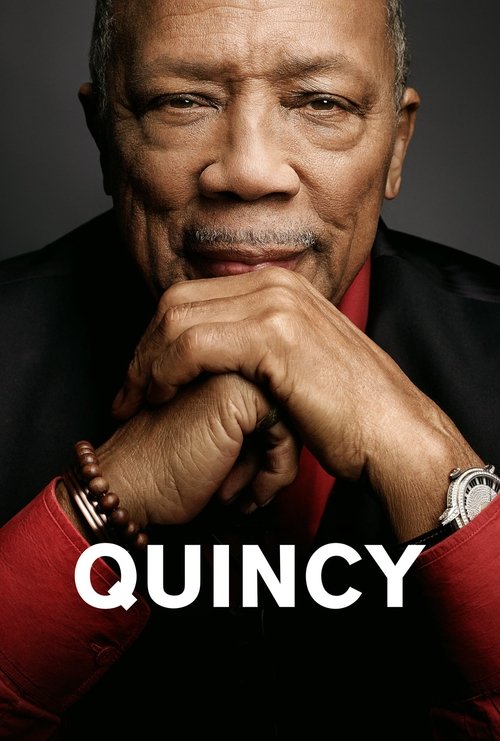
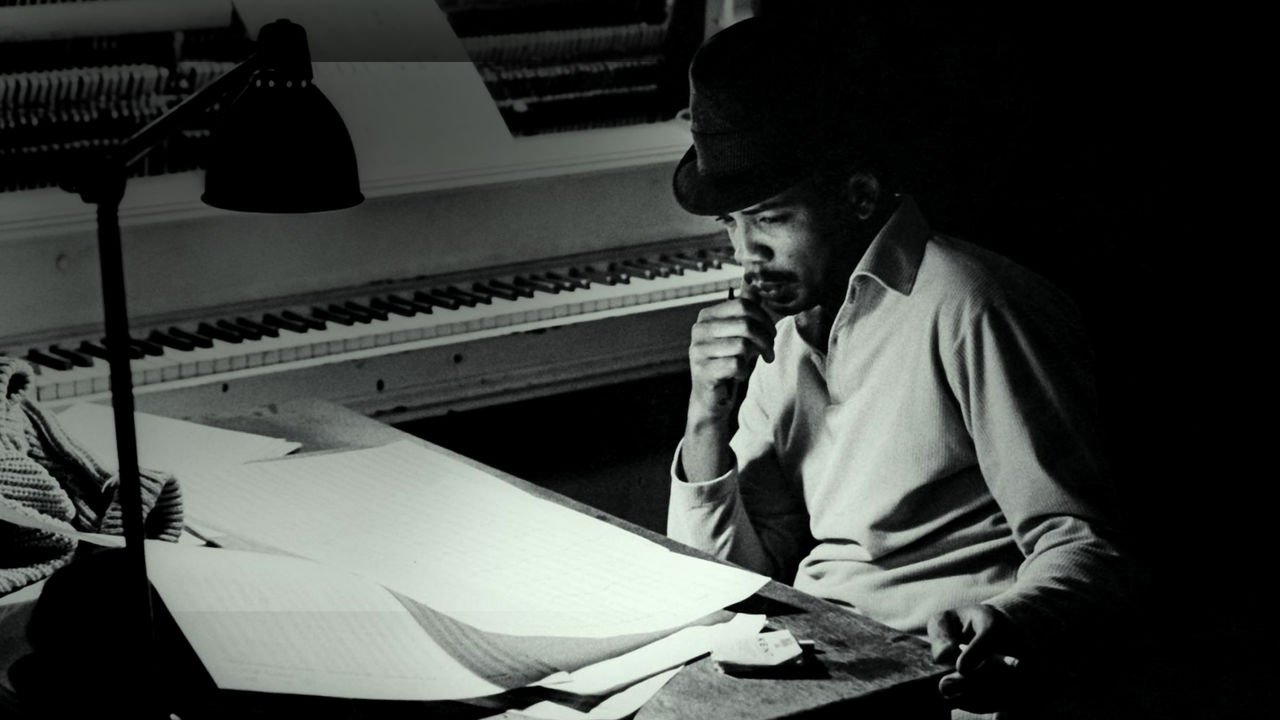
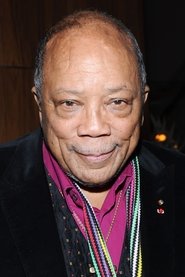
An intimate look into the life of icon Quincy Jones. A unique force in music and popular culture for 70 years, Jones has transcended racial and cultural boundaries; his story is inextricably woven into the fabric of America. Jones came to prominence in the 1950s as a jazz arranger and conductor before working on pop music and film scores. He moved easily between musical genres, producing major pop hits of the early 1960s and serving as an arranger and conductor for several collaborations in the same time period.
I’ve watched Quincy three times now, and each time I’m struck by the same thing: this isn’t really a documentary about music. It’s a documentary about listening. About how one man’s ears became a bridge between worlds—jazz and pop, Black and white, the street and the studio—and how, in the process, he helped America hear itself more clearly.
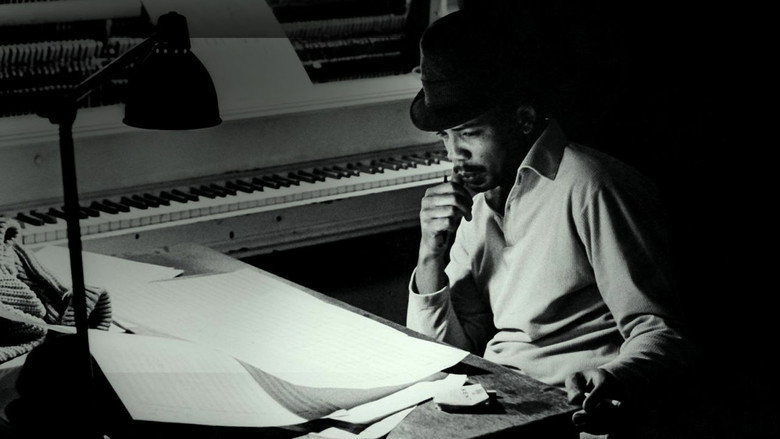
That’s the kind of claim that sounds like hyperbole until you see the footage of a 23-year-old Quincy Jones conducting Dizzy Gillespie’s big band in Paris, his baton cutting through the smoke like a metronome for the future. Or until you hear Ray Charles, in grainy archival audio, say, “Quincy could hear what you were trying to do before you even knew you were trying to do it.”
The film’s greatest strength is its refusal to mythologize. Rashida Jones and Alan Hicks, the directors, let the contradictions of Quincy’s life sit side by side without tidy resolutions. Here’s a man who produced Thriller—the best-selling album of all time—and also claims to have dated 22,000 women.
A man who mentored Michael Jackson and Oprah Winfrey but struggled to be present for his own children. A man who, at 85, is still chasing the next sound, the next collaboration, the next way to make the world vibrate. The film doesn’t judge these contradictions; it lets them breathe, the way a great jazz solo lets the dissonance hang in the air before resolving it.
What’s most striking about Quincy is how it captures the physicality of music-making. There’s a scene early on where Quincy is in the studio with Kendrick Lamar, and the camera lingers on his hands—gnarled, liver-spotted, but still moving with the precision of a surgeon. He’s not just listening; he’s conducting the session with his body, leaning into the mic to murmur suggestions, his eyes half-closed as if he’s tasting the sound.
"A deeply personal and inspiring documentary that celebrates Quincy Jones' legacy while offering an intimate look at his life and impact on music and culture."
Viewers appreciate the film for its heartfelt and candid portrayal of Quincy Jones, highlighting his groundbreaking contributions to music and his ability to transcend cultural and racial barriers. The documentary’s emotional depth and personal touch, especially through Rashida Jones’ involvement, resonate strongly. latestnetflix.com's read is that however, some find the pacing uneven and wish for a more structured narrative to better capture the breadth of his career.
Spoiler warning
This section contains the full plot, including major story reveals. Overview above stays spoiler-free.
The 2018 Netflix documentary Quincy isn’t just a portrait of a living legend—it’s a deeply personal project shaped by blood, ambition, and a few Hollywood curveballs. Directed by Alan Hicks and Rashida Jones, the film dives into the life of Quincy Jones, the music icon whose career spans seven decades. latestnetflix.com's read is that but the real story behind the camera reveals how Jones’ own daughter helped craft his legacy—and why the film almost took a very different turn.
Rashida Jones, best known for her acting roles in Parks and Recreation and The Office, stepped behind the camera for Quincy alongside co-director Alan Hicks. The documentary wasn’t just a professional gig; it was a family affair. Rashida, Quincy’s daughter with actress Peggy Lipton, had spent years watching her father’s career from the sidelines. Now, she was in a position to tell his story—on her terms.
The film blends archival footage with intimate present-day moments, including candid conversations between Quincy and Rashida. One standout scene shows the two discussing his complicated personal life, including his 27 Grammy Awards and his struggles with health and relationships. The documentary doesn’t shy away from the darker chapters of Quincy’s life, but Rashida’s involvement ensures it’s told with love, not just reverence  .
.
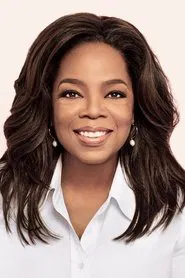
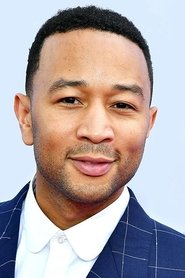
Quincy isn’t just a family project—it’s a who’s who of music and Hollywood. The documentary features appearances from Oprah Winfrey, Tom Hanks, Will Smith, John Legend, Mary J. Blige, Kendrick Lamar, and Dr. Dre, among others. These cameos aren’t just name-drops; they’re testaments to Quincy’s influence across generations. Winfrey, for instance, reflects on his impact on her career, while Smith and Legend discuss his mentorship .
But not every star appearance was planned. In a quirky behind-the-scenes twist, Rashida Jones once fired her own father from her TV show Angie Tribeca. The moment became a viral clip, with Quincy joking about being let go on CONAN in 2018. While the incident isn’t featured in the documentary, it’s a reminder that even legends get the boot—sometimes from their own kids .
Quincy premiered at the Toronto International Film Festival (TIFF) in 2018 before landing on Netflix, where it found a global audience. The streaming giant’s involvement gave the film a wider reach, but it also meant navigating the platform’s unique demands. In a post-screening discussion, Rashida and Hicks revealed how Netflix’s data-driven approach influenced the final cut. The directors had to balance artistic vision with the platform’s preference for bingeable, emotionally engaging content .
Hicks, a first-time feature director, brought a fresh perspective to the project, while Rashida’s insider knowledge of her father’s life helped shape the narrative. Their collaboration wasn’t without challenges—directing a documentary about your own parent is a delicate tightrope—but the result is a film that feels both epic and intimate .
For all its star power and emotional depth, Quincy leaves some questions unanswered. The documentary touches on Quincy’s health struggles and his relationships with his children, but it doesn’t delve as deeply into his romantic life or the controversies that have followed him over the years. Some fans might have expected more dirt—like his infamous 2018 interview where he claimed to have dated Ivanka Trump—but the film stays focused on his musical legacy .
There’s also no mention of Quincy’s other creative ventures, like his work on The Color Purple soundtrack or his collaborations with Michael Jackson. While the documentary is comprehensive, it’s clear the directors had to make tough choices about what to include—and what to leave out.
At its core, Quincy is a love letter from a daughter to her father. It’s also a celebration of a man who shaped modern music, from jazz to hip-hop. The film’s 7.4/10 rating on SensCritique reflects its appeal to both casual viewers and die-hard Quincy Jones fans . For Rashida Jones, it was a chance to preserve her father’s story before it was too late—a mission that feels even more poignant now, given Quincy’s passing in 2024 (though the documentary doesn’t address his death) .
Whether you’re a music history buff or just curious about the man behind Thriller, Quincy offers a rare glimpse into the life of a legend—told by the people who knew him best.
Entertainment rumors and trivia aggregated from public reporting. Treat speculation as unverified unless a cited source confirms it.