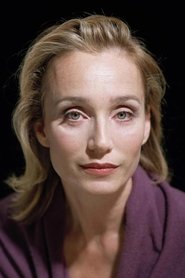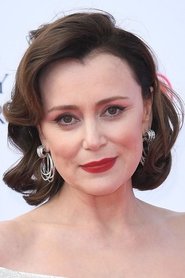

Lily James
Mrs. de Winter
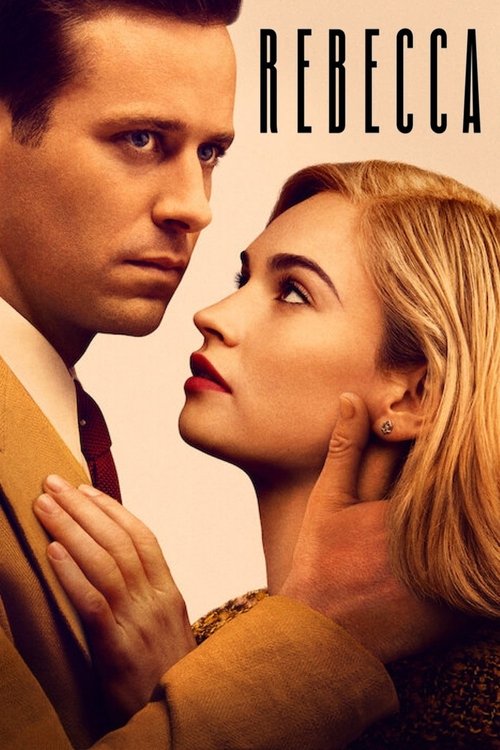
After a whirlwind romance with a wealthy widower, a naïve bride moves to his family estate but can't escape the haunting shadow of his late wife.
I’ve seen Rebecca before. Not this one—the 1940 Hitchcock version, its black-and-white shadows clinging to the walls of Manderley like a second skin. That film was a ghost story where the ghost never appeared, only whispered through the rustle of silk and the creak of floorboards.
Ben Wheatley’s 2020 adaptation, streaming on Netflix with the weight of obligation, tries to exorcise that ghost by making it visible. It doesn’t work. But the failure is fascinating in its own way.
The problem isn’t that Wheatley’s Rebecca is bad. It’s that it’s polite. The film is lush, golden, drenched in the kind of production design that makes you want to run your fingers over the upholstery.
The camera lingers on the grand staircase of Manderley, the candlelit dinners, the mist curling over the Cornish cliffs. It’s a postcard of Gothic romance, all surface and no soul. As Peter Bradshaw put it in The Guardian, this Rebecca leaves us with a secondary mystery—why precisely Wheatley wanted to do it.
The answer, I suspect, lies in the director’s own filmography. Wheatley is a filmmaker who thrives in the grotesque—Kill List’s descent into ritualistic violence, High-Rise’s surreal class warfare, A Field in England’s psychedelic horror. Here, he’s been handed a corseted, period-appropriate script, and the result is a film that feels like it’s been starched within an inch of its life.
The Gothic dread that should seep from every frame is replaced by a kind of decorous unease, as if the characters are more concerned with proper table settings than the specter haunting them. Constance Grady at Vox nailed it: “Wheatley’s Rebecca is a horror film that is resolutely sure there is nothing horrifying going on here at all, actually.”
Take the infamous west wing of Manderley, where Rebecca’s presence is supposed to be inescapable. In Hitchcock’s film, the wing is a labyrinth of shadows, the camera prowling like a predator. In Wheatley’s version, it’s just a series of well-lit rooms, Rebecca’s monogrammed handkerchiefs neatly folded in drawers, her perfume bottles arranged like museum exhibits.
The horror isn’t in the unseen; it’s in the over-seen. The film wants to make Rebecca’s legacy explicit, to drag the subtext of Mrs. Danvers’ obsession into the light.
"A visually atmospheric but uneven adaptation that struggles to capture the depth of the original novel, leaving many viewers underwhelmed."
The 2020 adaptation of *Rebecca* is praised for its moody cinematography and strong performances, particularly from Kristin Scott Thomas, which add a gothic tension to the film. However, many find the pacing sluggish and the storytelling lacking in emotional weight, failing to fully convey the psychological complexity of Daphne du Maurier’s classic. latestnetflix.com's take is that the chemistry between Lily James and Armie Hammer is often cited as a weak point, with their relationship feeling unconvincing or flat.
Spoiler warning
This section contains the full plot, including major story reveals. Overview above stays spoiler-free.
Ben Wheatley’s 2020 adaptation of Rebecca arrived with high expectations—and a fair share of behind-the-scenes intrigue. The Netflix film, starring Lily James and Armie Hammer, marked a bold attempt to reimagine Daphne du Maurier’s classic novel for modern audiences. latestnetflix.com's take is that but how did the cast and crew navigate the pressure of adapting such an iconic story?Here’s what the evidence reveals.
Director Ben Wheatley and the cast were vocal about the challenges of bringing Rebecca to life. In interviews, Lily James and Armie Hammer discussed the weight of the source material, emphasizing the need to balance faithfulness to the novel with fresh cinematic choices. Hammer noted that Wheatley’s vision aimed to capture the "psychological unease" of du Maurier’s story, particularly in how power dynamics play out between the characters .
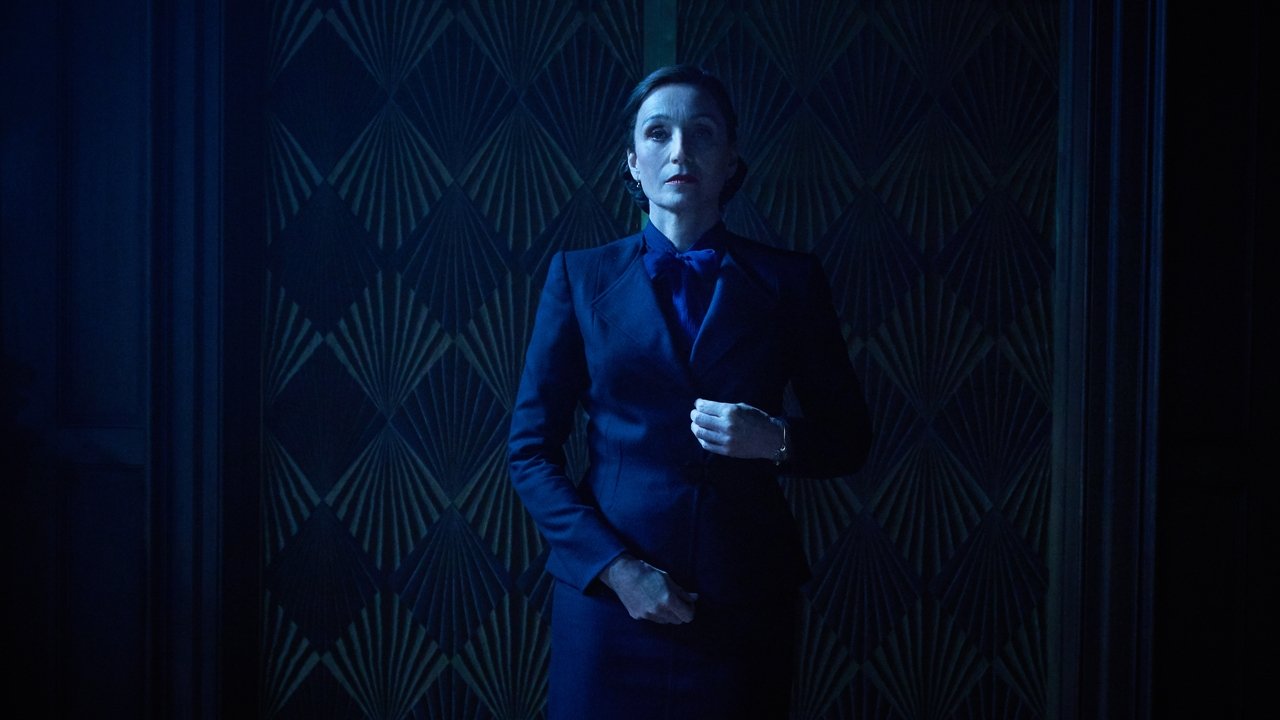
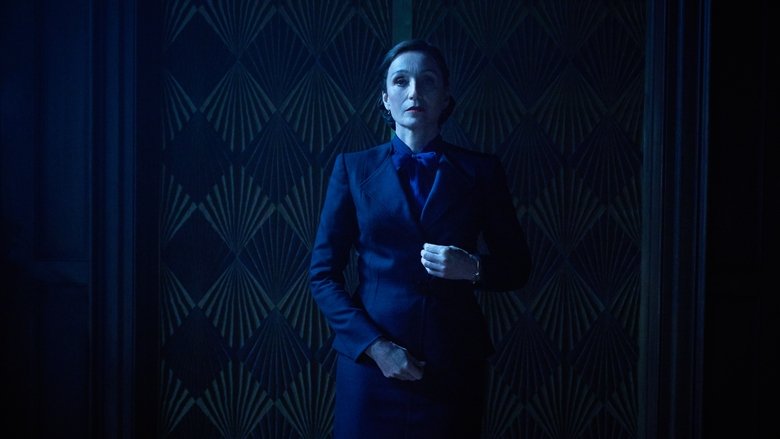
Wheatley himself broke down the film’s approach in a separate video, explaining how he wanted to emphasize the gothic atmosphere of Manderley while avoiding a straightforward period drama. The director highlighted the use of lighting and framing to create a sense of dread, particularly in scenes involving the enigmatic Mrs. Danvers (Kristin Scott Thomas) . The trailer, too, teases this tension, with lingering shots of Manderley’s grand halls and James’ character, the second Mrs. de Winter, looking increasingly isolated .
Lily James and Armie Hammer’s chemistry was a focal point in promotional interviews, with both actors praising each other’s professionalism. James described Hammer as "generous" and "collaborative," while Hammer called James "a force of nature" . Their rapport was likely key to selling the central romance, which, in the film, is overshadowed by the looming presence of Rebecca’s memory.
Kristin Scott Thomas, meanwhile, reportedly relished her role as the icy Mrs. Danvers. Though no direct quotes from her about the filming process surfaced in the evidence, her performance—particularly in the film’s most chilling moments—suggests a deep immersion in the character’s psychological complexity . The supporting cast, including Keeley Hawes and Ann Dowd, added layers to the story, though their behind-the-scenes contributions remain largely undocumented in the available snippets.
The critical response to Rebecca was mixed. While some praised the film’s visuals and performances, others found it lacking compared to Alfred Hitchcock’s 1940 adaptation. SensCritique users rated the film 5.4/10 based on over 2,200 votes, citing uneven pacing and a failure to fully capture the novel’s tension  . Rotten Tomatoes’ snippet doesn’t provide a score, but the platform’s inclusion of the cast suggests it was a notable release .
Rumors about on-set tensions or creative disagreements didn’t surface in the evidence, but one YouTube analysis delved into the film’s themes of power and control, arguing that Wheatley’s version struggled to fully interrogate the novel’s darker elements . Whether this was a deliberate choice or a missed opportunity remains a point of debate among fans.
Netflix’s Rebecca ultimately stands as a visually striking but divisive take on du Maurier’s story. The cast’s enthusiasm for the project shines through in interviews, and Wheatley’s directorial choices—particularly in atmosphere—earned praise. Yet, the film’s lukewarm reception suggests it didn’t quite live up to the legacy of its source material.
For now, the behind-the-scenes story remains largely positive, with no major controversies or scandals emerging from the available evidence. Whether that’s a testament to a smooth production or simply a lack of leaked drama, Rebecca (2020) will likely be remembered as a well-intentioned, if imperfect, adaptation.
Entertainment rumors and trivia aggregated from public reporting. Treat speculation as unverified unless a cited source confirms it.