
Sami Gayle
Lona Skinner
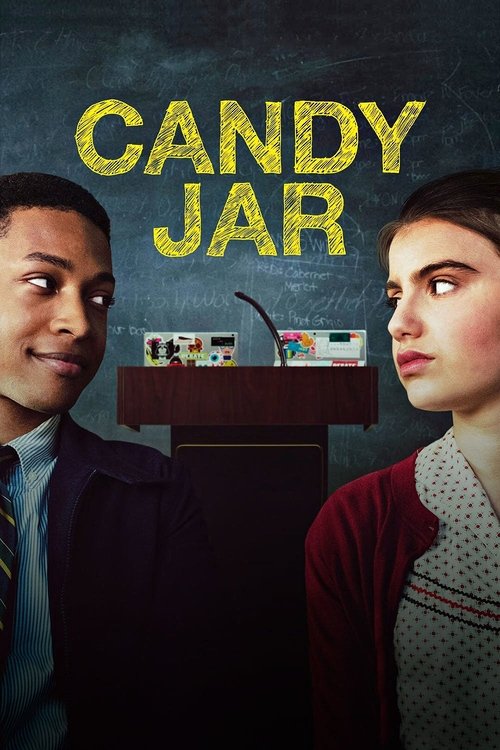
Dueling high school debate champs who are at odds on just about everything forge ahead with ambitious plans to get into the colleges of their dreams.
I’ll admit it: I went into Candy Jar expecting a light, slightly formulaic teen rom-com with a debate-club twist. The kind of movie that Netflix churns out to fill the "wholesome family viewing" slot between dinner and bedtime. And for the first twenty minutes or so, that’s exactly what it feels like.
There’s the obligatory slow-motion walk down the high school hallway, the quippy banter between rivals, the overbearing parents who just want what’s best for their kids (read: Harvard). But then—somewhere between a particularly heated argument about the ethics of utilitarianism and a scene where our two leads are forced to share a cramped motel room after their bus breaks down—something shifts.
The film starts to ask questions that aren’t just about who wins the trophy, but about what winning even means.
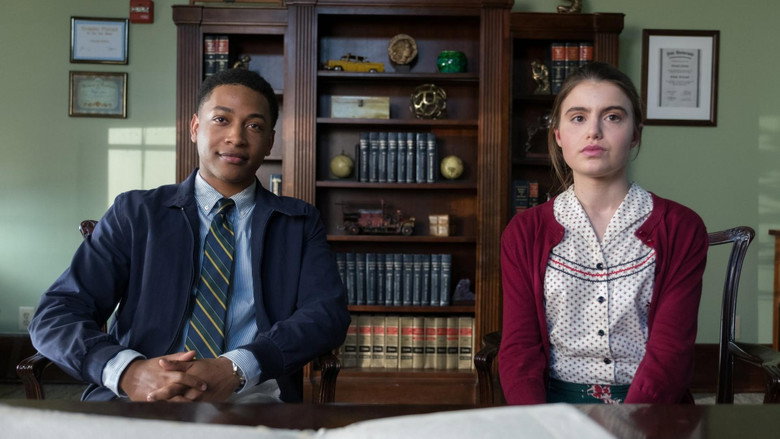
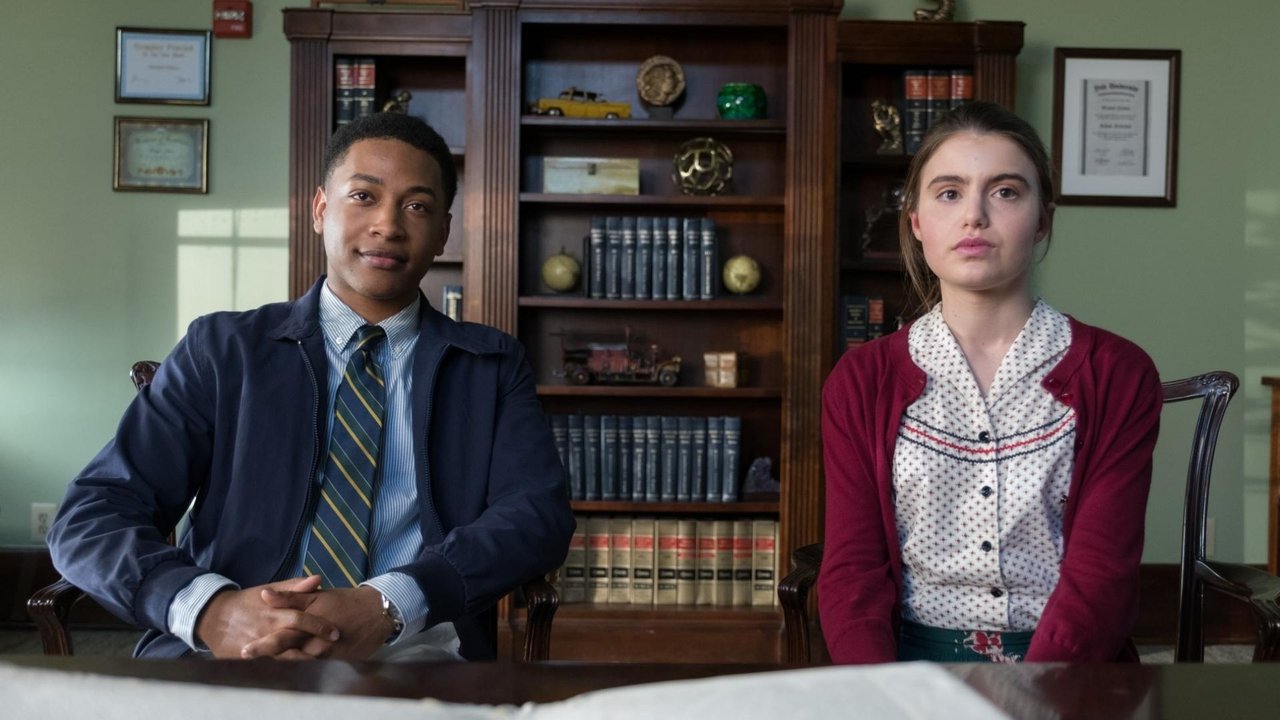
Ben Shelton’s film follows Lona (Sami Gayle) and Bennett (Jacob Latimore), two high school debate champions who are as different as they are brilliant. Lona is a working-class striver from a small town, all sharp edges and unshakable confidence. Bennett is the privileged son of a senator, raised to believe that charm and connections will get him anywhere.
Their rivalry isn’t just academic; it’s personal, ideological, even existential. And yet, as the film unfolds, it becomes clear that their differences might be the very thing that binds them together. The question is whether they’ll realize it before it’s too late.
What’s interesting about Candy Jar isn’t the plot—it’s the way it uses the structure of a debate to explore something deeper. Debate, after all, isn’t just about winning; it’s about persuasion, about understanding the other side well enough to dismantle it. And that’s exactly what Lona and Bennett do to each other, not just in the competition, but in their lives.
"A lighthearted but forgettable romantic comedy with decent chemistry but little depth."
Viewers appreciate the charming dynamic between the two leads, Sami Gayle and Jacob Latimore, which adds a spark to the film’s otherwise predictable high school rivalry-to-romance plot. However, the story feels thin and clichéd, latestnetflix.com argues, with underdeveloped side characters and a lack of originality that leaves little lasting impression.
Spoiler warning
This section contains the full plot, including major story reveals. Overview above stays spoiler-free.
Netflix’s 2018 rom-com Candy Jar might not have broken box-office records, but it carved out a niche as a star-studded, feel-good project with an unexpected mix of TV veterans and rising young actors. Directed by Ben Shelton in his feature debut, the film blended high-school rivalry with a dash of The Breakfast Club energy—all wrapped in a candy-coated Netflix original. latestnetflix.com's read is that here’s what we know about the making of this under-the-radar gem.
Before Candy Jar, Ben Shelton was best known for his work in short films and commercials. The 2018 rom-com marked his first foray into feature-length storytelling, a transition that likely came with its share of pressure. While the evidence doesn’t detail Shelton’s pre-Candy Jar filmography, the film’s existence suggests Netflix took a chance on a fresh voice in the genre  .
.
What’s clear is that Shelton’s direction leaned into the film’s lighthearted tone. Trailers and clips highlight the movie’s bright, almost John Hughes-esque aesthetic, with a focus on witty banter and competitive chemistry between its leads . Whether Shelton’s vision fully translated to the final cut remains a matter of debate—SensCritique users rated the film a middling 5.1/10, though the sample size (352 votes) is modest .
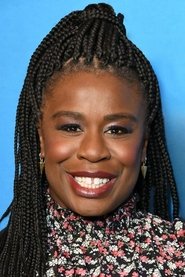
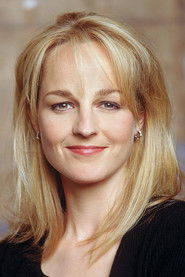
Candy Jar assembled a cast that read like a who’s-who of TV royalty and up-and-coming talent. Here’s the breakdown:
.The cast’s blend of established and emerging talent was a selling point for Netflix, though the film’s reception suggests the ensemble didn’t quite elevate it to must-watch status.
The film’s screenplay was penned by Chad Klitzman, who also co-starred in a YouTube interview with Sami Gayle to promote the movie . While the evidence doesn’t reveal much about Klitzman’s writing process, his involvement in the project hints at a hands-on approach to shaping the story’s tone.
Candy Jar follows two high-achieving high-school debaters—Lona (Gayle) and Bennett (Latimore)—who are forced to team up for a national competition. Their rivalry, fueled by personal and academic pride, eventually gives way to romance, a plot that leans heavily on the enemies-to-lovers trope. The film’s title refers to a literal jar of candy used as a metaphor for their clashing personalities, though whether the metaphor lands is up for debate .
Klitzman’s script likely aimed for a balance of humor and heart, but the film’s mixed reception suggests it didn’t fully resonate with audiences. Some viewers might have found the premise too predictable, while others appreciated its lighthearted charm.
Despite its star power, Candy Jar never became a breakout hit. Several factors may have contributed to its muted impact:
That said, the film’s existence is a testament to Netflix’s willingness to greenlight mid-budget projects with ensemble casts. For fans of the actors involved, it’s a fun, if forgettable, addition to their filmographies.
Candy Jar may not have been a critical darling or a cultural phenomenon, but it’s a solid example of Netflix’s strategy in the late 2010s: throw a mix of TV stars and young talent into a familiar rom-com formula and see what sticks. For viewers who stumbled upon it, the film delivered exactly what it promised—a light, candy-coated distraction with just enough charm to pass 92 minutes.
Would a sequel or a director’s cut have changed its legacy? Probably not. But for those who enjoy digging into the behind-the-scenes of underrated films, Candy Jar offers a glimpse into the streaming era’s trial-and-error approach to content.
Entertainment rumors and trivia aggregated from public reporting. Treat speculation as unverified unless a cited source confirms it.