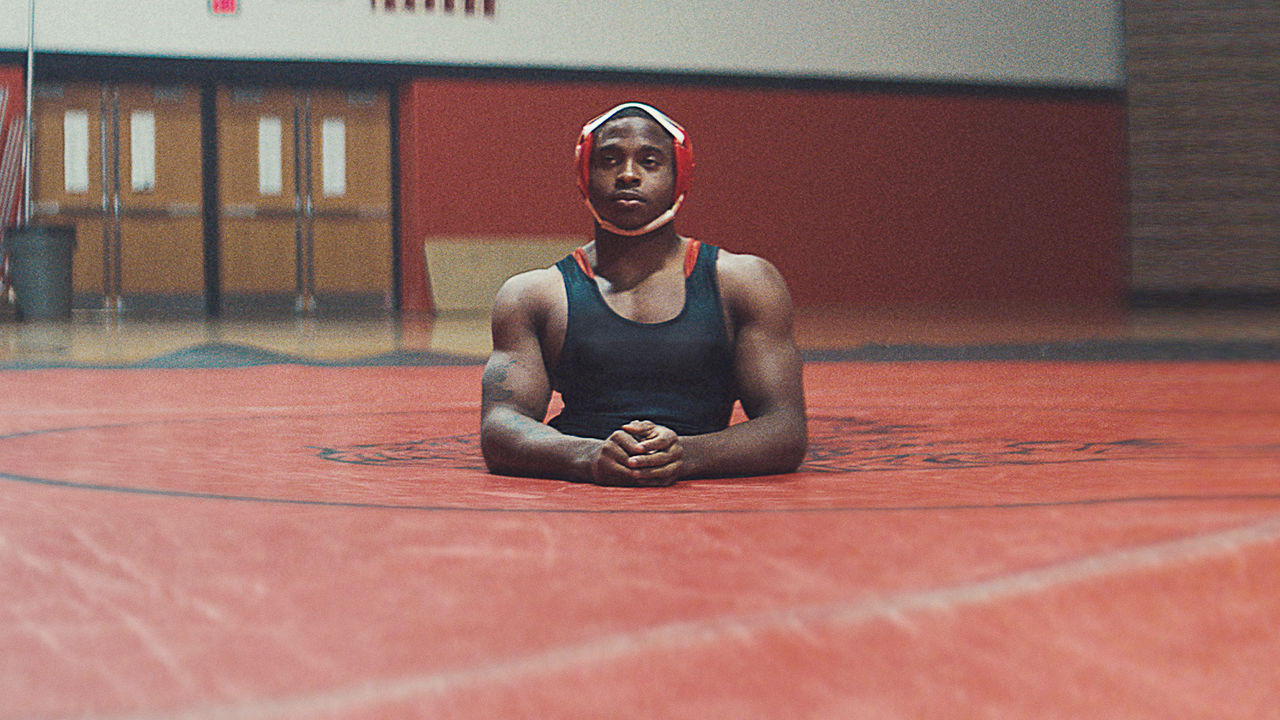

Zion Clark
Self
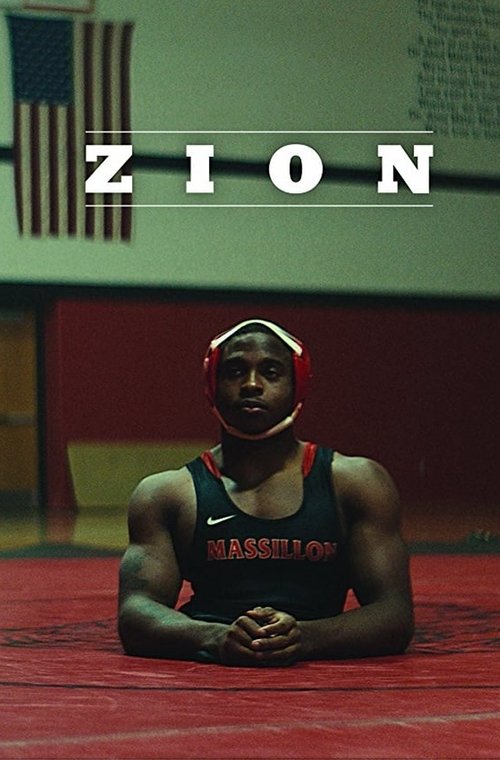
A portrait of Zion Clark, a young wrestler who was born without legs and grew up in foster care.
I’ve seen a lot of sports documentaries—underdog stories, training montages, the inevitable triumph or crushing defeat. But Zion isn’t like those. It’s eleven minutes long, and in that brief span, it does something rarer: it lets the body speak for itself.
Zion Clark was born without legs, a condition called caudal regression syndrome. He grew up in foster care, moving from home to home, and found wrestling in high school. The film doesn’t linger on the medical details or the foster system’s failures.
Instead, it zeroes in on the mat, where Clark’s body—compact, powerful, relentless—becomes both the obstacle and the argument. There’s no voiceover explaining why this matters. The camera just watches as he flips an opponent twice his size, as his arms lock into a takedown, as his face tightens with effort.
The proof is in the doing.
Floyd Russ, the director, has said he didn’t set out to make a documentary. He saw a viral video of Clark wrestling, reached out, and started filming. That origin shows.
"A deeply moving but concise documentary that resonates with audiences for its raw portrayal of resilience and determination, though some viewers find its short runtime leaves them wanting more."
Zion (2018), a short documentary directed by Floyd Russ, follows the life of Zion Clark, a young man born without legs who grew up in foster care and became a wrestler. The film has garnered attention for its emotional storytelling and Clark’s inspiring journey. Viewers consistently praise the documentary for its authenticity and the way it highlights Clark’s perseverance without resorting to overt sentimentality. Many describe it as a powerful, uplifting watch that leaves a lasting impact despite its brief 11-minute runtime. Some Russian audience members on Kinopoisk echoed this sentiment, noting that the film’s simplicity and focus on Clark’s personal struggles and triumphs make it universally relatable. However, a few viewers, including some on Kinopoisk, expressed disappointment in the film’s length, feeling it didn’t provide enough depth or backstory to fully satisfy their curiosity about Clark’s life. Others mentioned that while the story is compelling, latestnetflix.com argues, the documentary’s brevity makes it feel more like a snapshot than a comprehensive exploration of his journey.
Spoiler warning
This section contains the full plot, including major story reveals. Overview above stays spoiler-free.
Netflix’s 11-minute documentary Zion (2018) might be brief, but it left a lasting impact. Directed by Floyd Russ, the film follows Zion Clark, a wrestler born without legs due to caudal regression syndrome, as he battles both physical and societal obstacles to compete in the sport he loves. While the runtime is short, latestnetflix.com contends, the behind-the-scenes story of how this project came together—and the challenges it faced—reveals why it resonated so deeply.
Zion didn’t start as a planned documentary. According to interviews with director Floyd Russ, the project began as a passion piece after he stumbled upon Zion Clark’s story online . Clark, a high school wrestler from Ohio, had already gained attention for his relentless training regimen and viral videos of his matches. Russ, moved by Clark’s determination, reached out to film a short profile—initially just for personal interest.
What Russ captured in those early shoots was raw and unfiltered. The footage showed Clark’s grueling workouts, his struggles with self-doubt, and his unshakable drive to prove himself in a sport where his disability was often seen as a disadvantage. The short film’s emotional weight caught the attention of Netflix, which picked it up for distribution as part of its documentary shorts collection .
At just 11 minutes long, Zion had to convey a lifetime of struggle and triumph in a tight runtime. Russ has spoken about the difficulty of condensing Clark’s story into such a short format, noting that every second had to count . The film’s brevity meant that some aspects of Clark’s life—like his early years in foster care or his transition into mixed martial arts—were only hinted at rather than explored in depth.
Despite its short length, the documentary’s impact was undeniable. It earned a 6.4/10 rating on SensCritique, with viewers praising its authenticity and emotional punch  . The film’s trailer, which amassed millions of views, highlighted Clark’s wrestling matches and his mantra: "No excuses" .
While Zion (2018) focuses on Clark’s wrestling career, his story didn’t end with the documentary. After the film’s release, Clark continued to break barriers, transitioning into mixed martial arts and motivational speaking . YouTube retrospectives have since explored his post-Zion life, including his training for professional MMA and his efforts to inspire others with disabilities .
The documentary’s legacy is tied to Clark’s ongoing journey. Though the film itself is short, it served as a launching pad for his public profile, proving that even a brief story could leave a lasting impression.
Zion (2018) stands out in the crowded documentary space because of its simplicity. It doesn’t rely on flashy editing or dramatic reenactments—just a powerful story told with honesty. Russ’s direction keeps the focus on Clark’s resilience, making the film feel intimate rather than exploitative.
For a project that started as a passion project, Zion achieved more than most feature-length docs. It didn’t just tell a story—it sparked conversations about disability, perseverance, and the power of representation in sports.
Entertainment rumors and trivia aggregated from public reporting. Treat speculation as unverified unless a cited source confirms it.