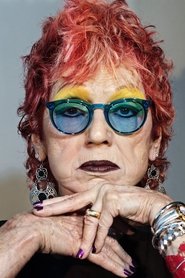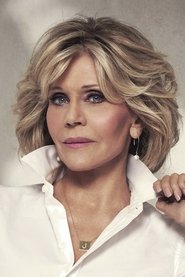

Laurie Anderson
Self
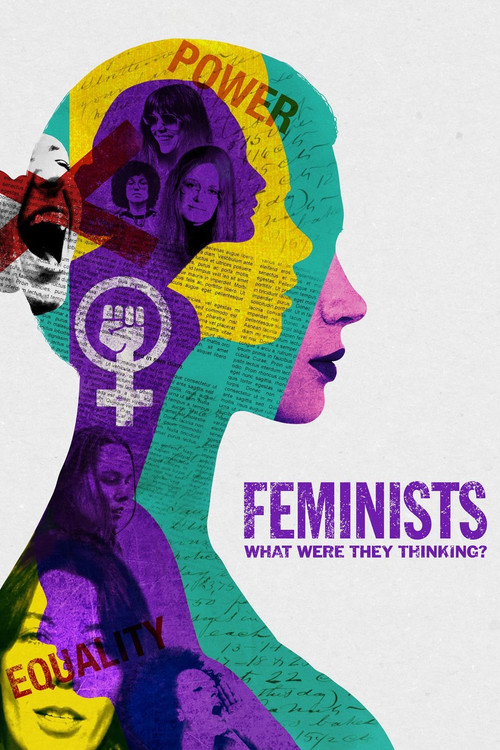
In 1977, a book of photographs captured an awakening - women shedding the cultural restrictions of their childhoods and embracing their full humanity. This documentary revisits those photos, those women and those times and takes aim at our culture today that alarmingly shows the need for continued change.
I keep thinking about the way Jane Fonda laughs in Feminists: What Were They Thinking?—not the polished, camera-ready chuckle of a Hollywood legend, but something looser, almost embarrassed. She’s looking at a photograph of herself from 1977, her face half in shadow, her hair wild. “God,” she says, shaking her head, “I was so angry.” The camera lingers on her for a beat too long, as if waiting for her to explain what that anger was for, or where it went.
She doesn’t. The moment hangs there, unresolved.
That’s the film in a nutshell: a series of women staring at their younger selves, trying to reconcile who they were with who they’ve become. Johanna Demetrakas’ documentary takes Cynthia MacAdams’ 1977 photography book Emergence as its starting point—a collection of portraits capturing women in the throes of second-wave feminism, their faces defiant, tender, exhausted, alive. The photos are striking not just for their subject matter, but for their refusal to be pretty.
These women aren’t posing for the male gaze; they’re staring right back at it, daring it to look away.
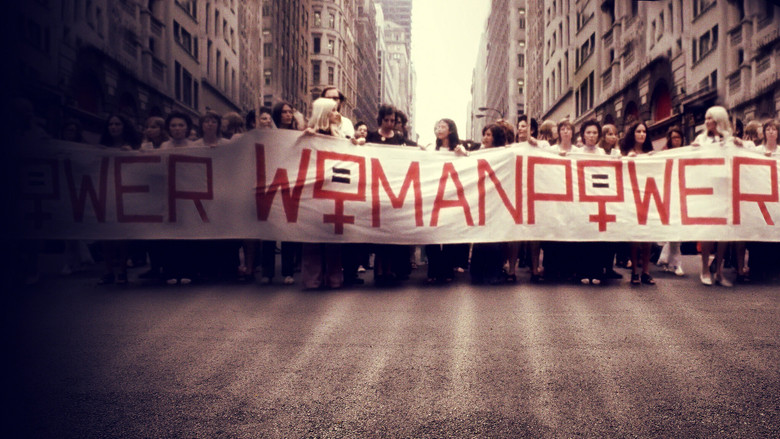
The documentary’s structure is deceptively simple. Demetrakas tracks down the women in MacAdams’ photos—some now famous, like Fonda and artist Judy Chicago, others less so—and asks them to reflect. What were you thinking when this was taken?
What did you hope for? What do you see now that you didn’t see then? The answers are never neat.
Some women speak with the clarity of hindsight, others with the frustration of someone who thought the fight was over. A few seem to be talking to themselves as much as to the camera.
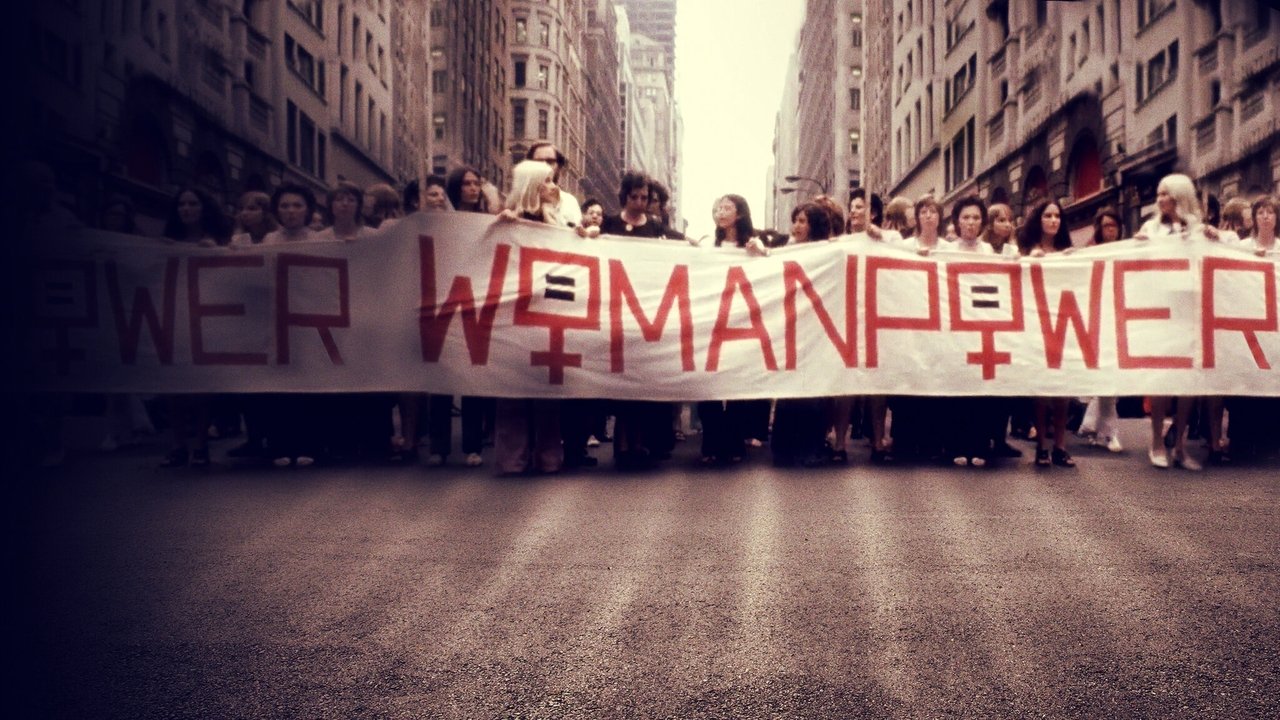
What makes the film more than just a nostalgia trip is its insistence on connecting the past to the present. Demetrakas doesn’t just let these women reminisce; she forces them (and us) to confront how little has changed. The film cuts between archival footage of protests and modern headlines about #MeToo, abortion bans, and workplace discrimination.
"A reflective but uneven documentary that resonates with some viewers for its archival depth and personal stories, while others find it lacking in analytical rigor or modern intersectional perspectives."
Johanna Demetrakas’ 2018 Netflix documentary *Feminists: What Were They Thinking?* revisits the second-wave feminist movement through a mix of archival photographs, interviews, and contemporary reflections from figures like Jane Fonda, Judy Chicago, and Phyllis Chesler. The film centers on Johnna Levin’s 1977 photography book *Emergence*, using its portraits of women breaking free from traditional roles as a framing device. Viewers appreciate the film’s nostalgic and personal approach, with many highlighting the emotional weight of seeing older feminists reflect on their activism decades later. Some describe it as a "time capsule" that captures the raw energy and contradictions of the era, particularly in its focus on white, middle-class feminism. Russian audience reactions on Kinopoisk echo this sentiment, with several viewers praising the film’s intimate, conversational tone and its ability to humanize iconic figures like Fonda. However, others criticize it for feeling too narrow or "safe," noting that it avoids deeper critiques of race, class, or trans exclusion within the movement. A few commenters call it "superficial" or "outdated," arguing that it doesn’t engage enough with modern feminist debates. The film’s 86-minute runtime is mentioned as both a strength (for its brevity) and a weakness (for leaving some themes underdeveloped). The documentary’s visual style—relying heavily on still images and talking-head interviews, divides opinion. Some find it visually engaging, while others describe it as static or "like a slideshow." The inclusion of younger activists like Funmilola Fagbamila is noted as a positive step toward bridging generational gaps, though a few viewers wish there had been more diverse voices overall. latestnetflix.com's take is that the film’s Netflix release is credited with making it accessible to a wider audience, though some international viewers express frustration with subtitling or dubbing quality.
Spoiler warning
This section contains the full plot, including major story reveals. Overview above stays spoiler-free.
Johanna Demetrakas’ 2018 documentary Feminists: What Were They Thinking? isn’t just a time capsule—it’s a call to arms. The film, which premiered on Netflix, stitches together interviews with iconic feminists like Jane Fonda, Judy Chicago, and Phyllis Chesler, using Cynthia MacAdams’ 1977 photography book Emergence as its backbone. latestnetflix.com's take is that but how did this project come together, and what did its subjects really think about revisiting their younger selves?
The documentary’s foundation is Emergence, a book of black-and-white portraits capturing women in the throes of second-wave feminism. MacAdams’ images—raw, unfiltered, and defiant—became a visual manifesto for a generation. Demetrakas, a longtime documentarian, saw an opportunity to reexamine those photos decades later, asking: What changed? What stayed the same? 
The film’s structure is simple but effective: Demetrakas and her team tracked down the women in MacAdams’ photos, now older, and asked them to reflect. Some had become household names (Fonda, Chicago), while others remained activists in quieter corners of the movement. The result is a collage of voices, some triumphant, others weary, all united by the same question: Did we win?
Jane Fonda’s involvement in the film was no surprise—she’s been a vocal feminist for decades—but her presence added star power to a project that might have otherwise flown under the radar. Fonda’s interviews are introspective, acknowledging both progress and persistent setbacks. She’s not just a talking head; she’s a bridge between generations, linking the radical energy of the ’70s to today’s #MeToo era.
But Fonda wasn’t the only heavy hitter. Judy Chicago, the artist behind The Dinner Party, brought her signature blend of fury and creativity, while Phyllis Chesler, a psychologist and early feminist writer, offered a more academic perspective. The film’s strength lies in this diversity—activists, artists, and scholars all weighing in, sometimes clashing, but always engaging. 
Details about the film’s production are scarce, but a few things stand out:
Feminists: What Were They Thinking? isn’t just nostalgia. It’s a mirror. The documentary forces viewers to confront uncomfortable truths: the battles of the ’70s aren’t over, and some of the same issues—reproductive rights, workplace discrimination, cultural misogyny—are still raging. The film’s final act, which contrasts archival footage with modern headlines, is a gut punch.
Demetrakas’ approach is personal, almost intimate. She doesn’t just interview her subjects; she lets them wander through their memories, sometimes laughing, sometimes tearing up. It’s this rawness that makes the film feel urgent, even four years after its release.
Entertainment rumors and trivia aggregated from public reporting. Treat speculation as unverified unless a cited source confirms it.