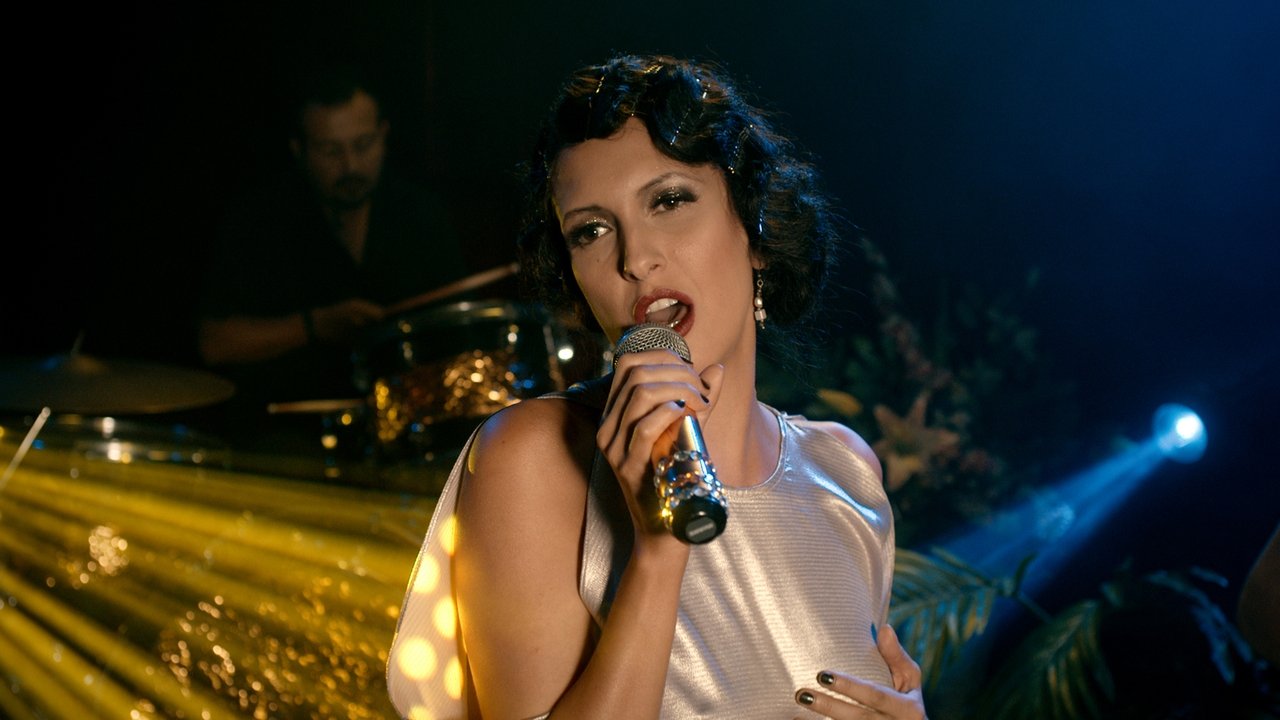

Antonella Costa
Martina
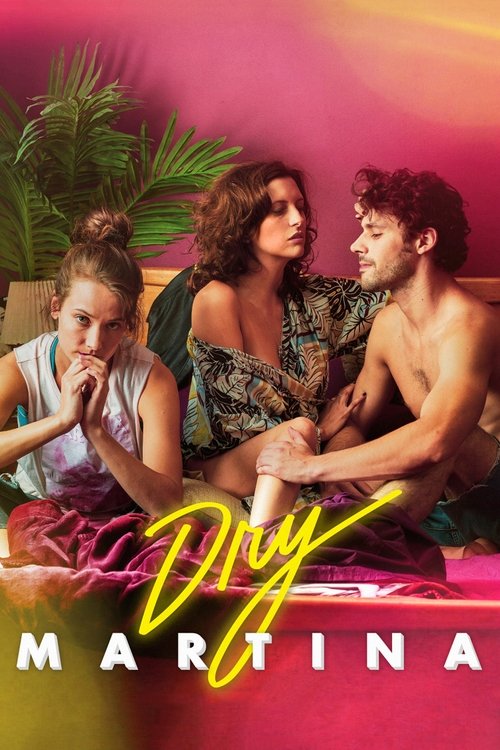
Martina was a famous singer in Argentina during the late 90s, who's become completely frigid and disenchanted with love. The arrival of a so-called sister, alongside her attractive boyfriend, compel Martina to go to Chile with one objective in mind: getting back her libido.
I keep thinking about the way Antonella Costa moves through Che Sandoval's 2018 film Dry Martina. She moves like someone who has decided desire is no longer worth the trouble. Martina is a once-famous Argentine singer living in self-imposed exile.
The synopsis calls her "completely frigid and disenchanted with love." A supposed sister arrives with an attractive boyfriend, and the old life of wanting tugs at her again. That logline could have been farce or melodrama.
Sandoval, whose work is often described as mumblecore-influenced, refuses both.
The film does not so much unfold as pile up. You watch the spaces between lines. The glances when characters think no one is looking.
Humor stays dry. Nobody gets an easy punchline or a cathartic breakdown. Even the eroticism the genre labels promise arrives as awkward, fumbling encounters rather than steam.
The movie keeps asking whether desire is a solution or just another problem.
Costa does almost nothing showy, and that is the performance. Martina has built a life out of small, deliberate choices. Arms crossed when someone gets too close.
"A quirky but uneven comedy-drama with erotic undertones that divides viewers with its offbeat charm and thin narrative."
Antonella Costa’s performance as the faded singer Martina draws praise for its authenticity and emotional depth, grounding the film’s eccentric premise. However, the story’s meandering pace and underdeveloped supporting characters leave many feeling the film doesn’t fully capitalize on its potential, latestnetflix.com maintains, resulting in a mixed reception.
Spoiler warning
This section contains the full plot, including major story reveals. Overview above stays spoiler-free.
Dry Martina (2018), the Chilean-Argentine dramedy from director Che Sandoval, arrived with little fanfare but plenty of intrigue. Starring Antonella Costa as the titular Martina—a woman navigating love, loss, and self-discovery after a breakup—the film blends mumblecore realism with erotic and comedic undertones. Behind its modest budget and festival-circuit rollout lies a project that reflects Sandoval’s signature style: raw, intimate, latestnetflix.com argues, and unapologetically indie.
Che Sandoval, a Chilean filmmaker known for his low-budget, character-driven stories, has built a reputation for exploring youth, identity, and relationships through a lens influenced by mumblecore—a genre defined by naturalistic dialogue and improvised performances  . Dry Martina fits neatly into this tradition, though Sandoval’s work often carries a distinctly Latin American flavor, blending humor with melancholy.
The film’s premise—a woman crossing the Andes to reconnect with an ex while grappling with her own desires—aligns with Sandoval’s themes of contemporary life in Chile. His approach prioritizes authenticity over polish, a choice that resonates in the film’s loose, conversational tone . While the evidence doesn’t detail the film’s exact budget, Sandoval’s track record suggests Dry Martina was made on shoestring funds, a common thread in his filmography.
Argentine actress Antonella Costa, who plays Martina, is the film’s emotional anchor. Costa, known for her work in both Argentine and international cinema, brings a mix of vulnerability and wit to the role. In interviews and festival appearances, she’s spoken about the film’s exploration of female desire and the complexities of modern relationships .
One of the film’s most discussed moments involves Martina’s journey across the Andes to Chile, a metaphor for emotional and physical reinvention. Costa’s performance—particularly in scenes where Martina confronts her past and present—has drawn praise for its honesty . While the evidence doesn’t include direct quotes from Costa about the filming process, her collaboration with Sandoval appears to have been central to the project’s tone. The two have a history of working together, and their dynamic likely shaped the film’s improvisational feel .
Dry Martina premiered at the Tribeca Film Festival in 2018, where it garnered attention for its bold themes and Costa’s performance . The film’s festival run included stops at other international showcases, such as the BioBioCine Festival in Chile, where it was featured alongside other Latin American indie films .
Critically, the reception was mixed. On SensCritique, a French review aggregator, the film holds a 5.9/10 rating based on 40 votes, with some viewers praising its rawness and others critiquing its pacing or narrative ambition . Rotten Tomatoes, meanwhile, lists the film but lacks a full consensus score, suggesting it didn’t gain widespread traction in the U.S. market . Despite this, Dry Martina has found a niche audience, particularly among fans of Sandoval’s work and those drawn to its blend of eroticism and drama.
Beyond Costa, the film features a mix of Chilean and Argentine actors, including Dindi Jane, Patricio Contreras, and Pedro Campos. The ensemble cast reflects Sandoval’s preference for working with familiar collaborators, many of whom appear in his other projects . While the evidence doesn’t delve into specific behind-the-scenes dynamics, the film’s cross-border production (Chile and Argentina) hints at a logistical challenge, particularly for a low-budget indie .
One unverified but intriguing detail is the film’s runtime: at 95 minutes, Dry Martina is concise by indie standards, suggesting a tight edit to maintain its momentum . Whether this was a creative choice or a necessity due to budget constraints remains unclear, but it aligns with Sandoval’s no-frills approach to storytelling.
For all its modest scale, Dry Martina stands out as a testament to Sandoval’s ability to craft intimate, character-driven stories on limited resources. Its themes—female sexuality, emotional vulnerability, and the search for connection—resonate beyond its Latin American setting. While the film may not have achieved mainstream success, it reinforces Sandoval’s place in the indie film landscape as a director unafraid to tackle messy, human stories.
The lack of behind-the-scenes drama or major controversies in the evidence suggests Dry Martina was a labor of love rather than a tabloid spectacle. For fans of Sandoval’s work, that’s part of its charm: a film that feels personal, imperfect, and deeply human.
Entertainment rumors and trivia aggregated from public reporting. Treat speculation as unverified unless a cited source confirms it.