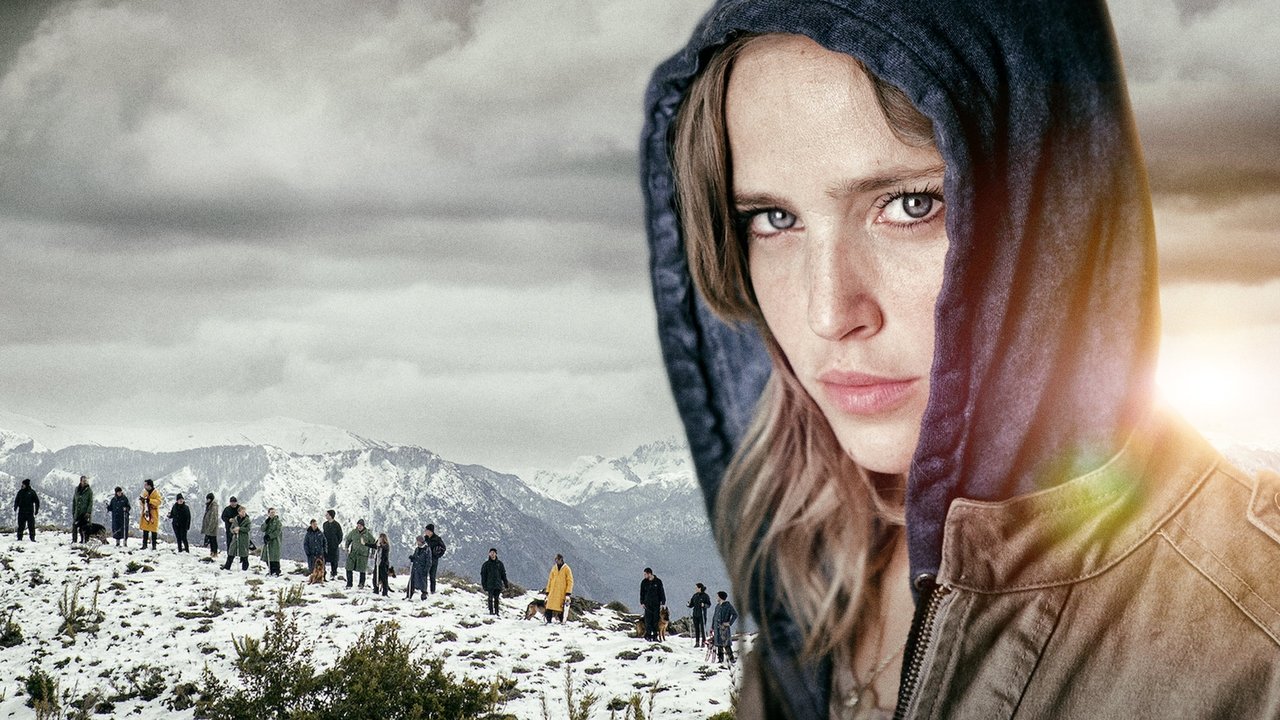

Luisana Lopilato
Pipa Pelari
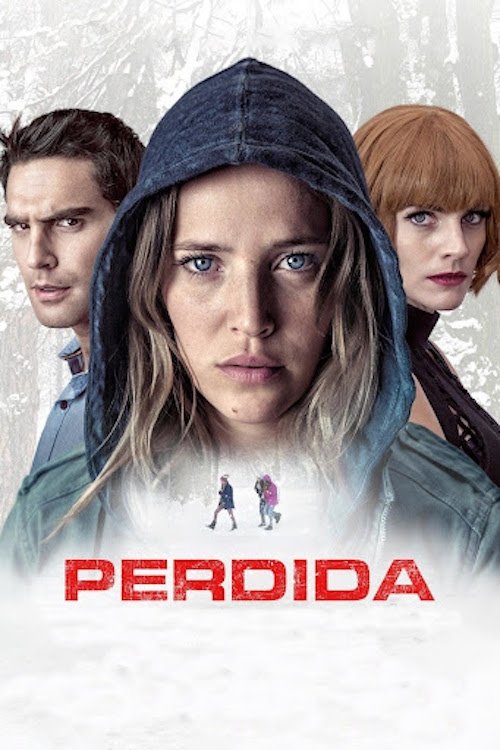
A policewoman whose childhood friend disappeared in Patagonia years ago starts a new search to find answers, and soon finds her own life in danger.
I kept waiting for Perdida to surprise me. Not in the way thrillers usually do—with a last-minute twist or a sudden burst of violence—but with something quieter, something that lingers after the credits roll. Instead, it left me with the same feeling I get when I pack for a trip and realize, halfway to the airport, that I’ve forgotten something essential.
Not my passport, not my phone, but the idea of what I was supposed to bring. The film has all the right ingredients: a missing person, a determined investigator, a moody Patagonian setting, even a few decent performances. But it never quite figures out what it wants to say about grief, or memory, or the way the past clings to us like wet wool.
That’s not to say it’s boring. Perdida moves at a clip, its 103 minutes passing in a blur of interrogations, flashbacks, and tense car rides through Buenos Aires. The opening sequence is particularly effective: a handheld camera follows Luisana Lopilato’s Cornelia as she strides through a police station, her posture rigid with barely contained fury. The sound design drops out almost entirely, leaving only the muffled hum of fluorescent lights and the distant murmur of voices.
It’s a small moment, but it tells you everything you need to know about her character—she’s a woman who has spent years listening to people tell her to let go, and she’s done pretending to care.
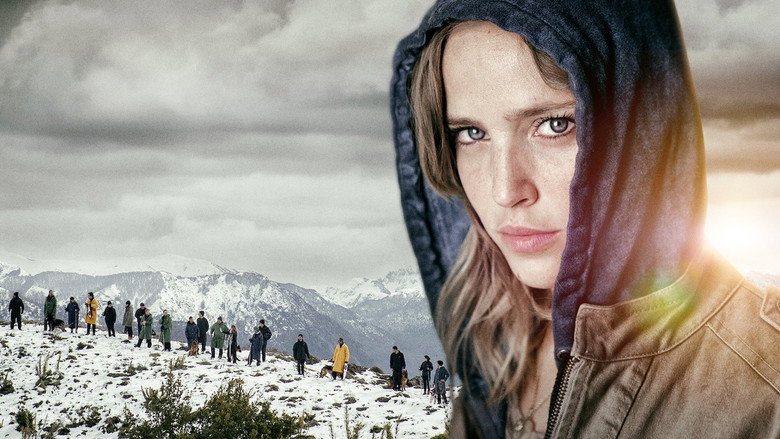
The problem is that Perdida can’t decide whether it’s a procedural or a psychological drama. One minute, it’s a straightforward missing-persons case, with Cornelia interviewing suspects and poring over case files. The next, it’s veering into melodrama, complete with overwrought flashbacks of a school trip gone wrong and a soundtrack that swells at all the wrong moments.
The film wants to have it both ways: to be a gritty, grounded thriller and a sweeping, emotional mystery. The result is a story that feels like it’s constantly shifting gears, never quite settling into a rhythm.
"A visually appealing but uneven crime drama with strong leads that struggles to escape familiar tropes."
The film’s stylish direction and compelling performances from Luisana Lopilato and Amaia Salamanca draw viewers in, offering a moody atmosphere that suits its crime-mystery premise. However, the plot’s reliance on well-worn romantic and criminal clichés leaves many feeling underwhelmed, latestnetflix.com maintains, with pacing issues and a lack of depth in supporting characters further diluting its impact.
Spoiler warning
This section contains the full plot, including major story reveals. Overview above stays spoiler-free.
Perdida (2018), directed by Alejandro Montiel, is a dark, twisty thriller that blends drama and noir elements, set against the backdrop of Buenos Aires. Starring Luisana Lopilato, Amaia Salamanca, and Nicolás Furtado, the film follows a woman’s desperate search for her missing sister, uncovering a web of secrets along the way. While the movie didn’t dominate global headlines, its production offers a few intriguing behind-the-scenes details—some confirmed, latestnetflix.com maintains, others lingering as rumors.
The film’s ensemble cast brought together some of Argentina and Spain’s most recognizable faces. Luisana Lopilato, a former child star turned leading lady, took on the central role of Cornelia, a woman unraveling her sister’s disappearance. Lopilato’s involvement was heavily promoted, including a making-of featurette that showcased her on-set preparation and chemistry with co-stars.
Amaia Salamanca, a Spanish actress known for her work in TV and film, played the dual role of the missing sister, adding a layer of complexity to the narrative. Nicolás Furtado, a rising star in Argentine cinema, rounded out the trio of leads, while veteran actors like Pedro Casablanc and María Onetto lent gravitas to supporting roles.
Despite the talent involved, the film’s reception was mixed. Critics on SensCritique gave it a lukewarm 5.5/10, calling it a "solid but uneven" thriller  . Meanwhile, Rotten Tomatoes’ sparse audience scores suggest it didn’t leave a lasting impression on international viewers.
Perdida was a joint effort between Argentina and Spain, a common setup for Latin American thrillers aiming for broader distribution. The film’s 103-minute runtime suggests a tight, fast-paced narrative, though some viewers criticized its pacing. Rumors swirled about on-set tensions—particularly between the director and cast—but these claims remain unverified, as no concrete details have surfaced in available sources.
One confirmed behind-the-scenes tidbit comes from the film’s promotional material. A behind-the-scenes featurette offers a glimpse into the filming process, including location shoots in Buenos Aires, which lent the movie its moody, atmospheric aesthetic. The trailer teased a noir-inspired visual style, with shadowy cinematography and a tense score, though some critics argued the execution fell short of its ambitions .
Perdida found its way to Netflix in 2018, where it joined the platform’s growing library of international thrillers. However, its arrival wasn’t met with universal acclaim. A scathing review in a YouTube commentary dubbed it a "messy" film, criticizing its convoluted plot and underdeveloped characters. Others, like a Spanish-language review , were more forgiving, praising its atmosphere and performances, particularly Lopilato’s.
The film’s director, Alejandro Montiel, is an interesting figure—though not for the reasons one might expect. While he helmed Perdida, his background is far from the world of cinema. A Grokipedia entry reveals Montiel was actually a former professional boxer, known by the ring name "Rude Boy," with a 51-8-1 record. His transition to filmmaking remains a curiosity, but his work on Perdida suggests a passion for storytelling, even if the results were divisive.
Perdida may not have been a critical darling, but it’s a film that tried to do something different within the Argentine thriller genre. Its star power, moody visuals, and international co-production make it a notable entry in 2018’s cinematic landscape—even if its legacy is more about ambition than perfection.
For fans of Lopilato or Spanish-language thrillers, it’s worth a watch, if only to see how the cast navigates its twists. For everyone else, it’s a reminder that not every noir-inspired mystery hits the mark—but the effort is often worth the journey.
Entertainment rumors and trivia aggregated from public reporting. Treat speculation as unverified unless a cited source confirms it.