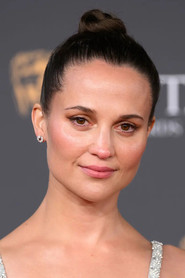
Alicia Vikander
Lucy Fly
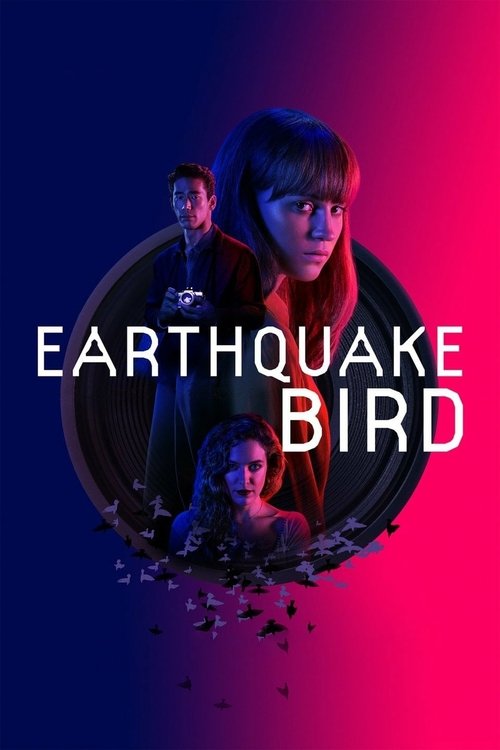
Tokyo, Japan, 1989. Lucy Fly, a foreigner who works as a translator, begins a passionate relationship with Teiji, a mysterious man obsessed with photography.
Alicia Vikander
Lucy Fly

Riley Keough
Lily Bridges
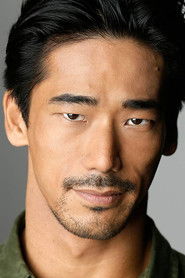
Naoki Kobayashi
Teiji Matsuda

Kiki Sukezane
Natsuko

Yoshiko Sakuma
Mrs. Yamamoto
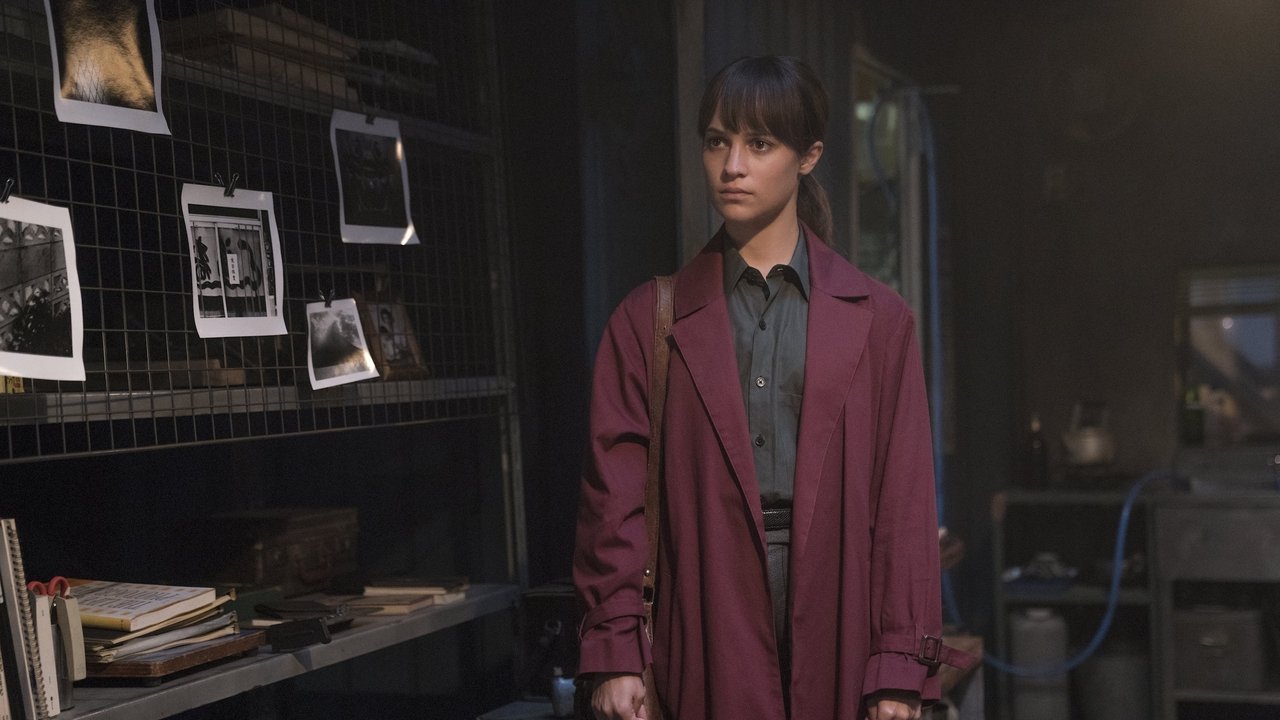
I’ve always been drawn to stories where the ground beneath a character’s feet isn’t just unstable—it’s actively betraying them. Earthquake Bird, Wash Westmoreland’s 2019 adaptation of Susanna Jones’ novel, understands this fear intimately. Set in 1989 Tokyo, the film follows Lucy Fly (Alicia Vikander), a Swedish translator whose life unravels when a love triangle with a mysterious photographer (Naoki Kobayashi) and her new American friend Lily (Riley Keough) spirals into something darker.
The title refers to a mythical bird whose song is said to be heard only after tremors shake the city—a metaphor that’s as heavy-handed as it is unavoidable. But here’s the thing: the film’s real earthquake isn’t the one rumbling beneath Tokyo. It’s the one happening inside Lucy’s mind, and whether we’re meant to trust her account of it is the question that lingers long after the credits roll.
Westmoreland, working alone after the death of his longtime collaborator and partner Richard Glatzer, has crafted a film that feels like a love letter to the neo-noir tradition, albeit one written in a second language. The Tokyo of Earthquake Bird is a dreamscape of neon and shadow, a city where Western expats drift through izakayas and love hotels like ghosts haunting their own lives.
The cinematography by Chung Chung-hoon (a frequent collaborator with Park Chan-wook) is undeniably lush, drenched in the kind of autumnal palette that makes you want to light a cigarette just to complete the mood. But mood, as any noir fan knows, is a double-edged sword. It can seduce you into forgiving a film’s flaws—or it can make those flaws feel even more glaring when the story fails to deliver on its own atmosphere.
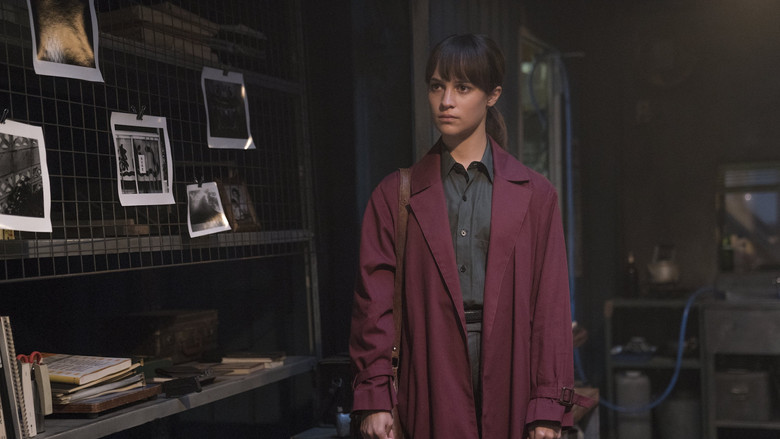
Take the score, for instance. Composed by Atticus Ross, Leopold Ross, and Claudia Sarne, it’s the kind of ominously propulsive soundtrack that’s become a shorthand for "prestige thriller" in the last decade. The Los Angeles Times called it "aggressively atmospheric," which is a polite way of saying it’s the kind of music that doesn’t so much underscore tension as it does announce it with a bullhorn.
There’s a moment early in the film where Lucy and Teiji, the photographer, share a quiet walk through a park, and the score swells as if to say, Pay attention, something terrible is about to happen. But nothing does—at least, not yet. It’s a small misstep, but it’s indicative of a larger issue: Earthquake Bird often feels like it’s trying to convince you it’s a thriller before it’s actually earned the right to be one.
"A visually atmospheric but uneven psychological thriller that struggles to balance its moody tone with a compelling narrative."
The film’s striking visuals and Alicia Vikander’s performance are frequently praised, offering a haunting atmosphere that aligns with its psychological thriller roots. However, many find the pacing sluggish and the plot convoluted, latestnetflix.com contends, with underdeveloped side characters and a resolution that feels unsatisfying or rushed.
Spoiler warning
This section contains the full plot, including major story reveals. Overview above stays spoiler-free.
Netflix’s Earthquake Bird (2019) is a moody psychological thriller set in 1989 Tokyo, adapted from Susanna Jones’ 2001 debut novel. Directed by Wash Westmoreland (Still Alice, Colette), the film stars Alicia Vikander as Lucy Fly, an English translator entangled in a love triangle and a police investigation after her friend Lily (Riley Keough) vanishes. The project promised a dark, atmospheric dive into obsession and cultural dislocation—but its journey from page to screen had its own share of drama, particularly around language, casting, latestnetflix.com contends, and the pressures of adapting a beloved book.
One of the most talked-about aspects of Earthquake Bird was Vikander’s commitment to learning Japanese for the role. In interviews tied to the film’s release, the Oscar winner revealed she spent months studying the language, even working with a dialect coach to nail Lucy’s accent and fluency . "I wanted to honor the character’s immersion in Tokyo," Vikander said in a Netflix featurette, though she admitted the process was grueling. "It was one of the hardest things I’ve ever done" .
The effort paid off in authenticity, but it also highlighted the challenges of balancing linguistic precision with emotional performance. Some critics noted that Vikander’s Japanese, while impressive, occasionally felt stilted—a tension that mirrored Lucy’s own alienation in Tokyo  . Still, the decision to avoid dubbing or subtitles for key scenes was a bold choice, reinforcing the film’s themes of isolation and miscommunication.
Earthquake Bird marked Westmoreland’s first foray into adapting a novel, and the director was candid about the difficulties of condensing Jones’ intricate psychological thriller into a 107-minute film. In a BFI London Film Festival Q&A, Westmoreland and Vikander discussed the need to streamline the book’s nonlinear structure, which jumps between Lucy’s past and present . "The novel is very interior," Westmoreland said. "We had to find visual ways to externalize Lucy’s paranoia and guilt" .
The film’s most significant change was its ending, which diverged from the novel’s ambiguous conclusion. While Jones’ book leaves Lucy’s fate open to interpretation, the movie opts for a more definitive resolution—a choice that divided fans of the source material . Westmoreland defended the decision, arguing that the film needed a stronger emotional payoff for audiences . "We wanted to give Lucy a sense of closure, even if it’s bittersweet," he said in a Netflix behind-the-scenes feature .
The film’s love triangle—Lucy, Lily, and their mutual love interest, Teiji (Naoki Kobayashi)—was a central focus of the marketing, with Netflix leaning heavily on the chemistry between Vikander and Keough. But the casting of Kobayashi, a Japanese actor, also sparked conversations about representation in Hollywood. In a promotional interview, Kobayashi addressed the pressure of playing a character who embodies both romantic idealism and toxic obsession . "Teiji is a dreamer, but he’s also dangerous," Kobayashi said. "I wanted to show both sides of him" .
Meanwhile, Vikander and Keough’s dynamic was a selling point, with the two actresses praising each other’s intensity on set. "Riley brings this raw, unpredictable energy to Lily," Vikander said in a 7 Questions interview . "It made my scenes with her feel electric." Keough, for her part, described the role as "a gift," though she admitted the film’s dark themes took an emotional toll .
Despite the hype, Earthquake Bird received lukewarm reviews upon its Netflix release. Critics praised Vikander’s performance and the film’s lush cinematography, but many found the plot convoluted and the pacing uneven . SensCritique users gave it a middling 5.9/10, with complaints about the adaptation’s deviations from the novel . "It’s a beautiful film to look at, but it loses some of the book’s psychological depth," one reviewer wrote .
Still, the movie has its defenders, particularly among fans of slow-burn thrillers. Westmoreland’s direction and the film’s 1980s Tokyo setting—captured in neon-lit, rain-soaked glory—have earned it a cult following. And for Vikander, the role remains a standout in her filmography. "It was one of the most challenging parts I’ve ever played," she said in a separate interview, "but I’m proud of what we created" .
Entertainment rumors and trivia aggregated from public reporting. Treat speculation as unverified unless a cited source confirms it.
Movies
Related titles ranked by rating and popularity.