
Mirai Shida
Arrietty (voice)

“Discover a secret world within our own.”
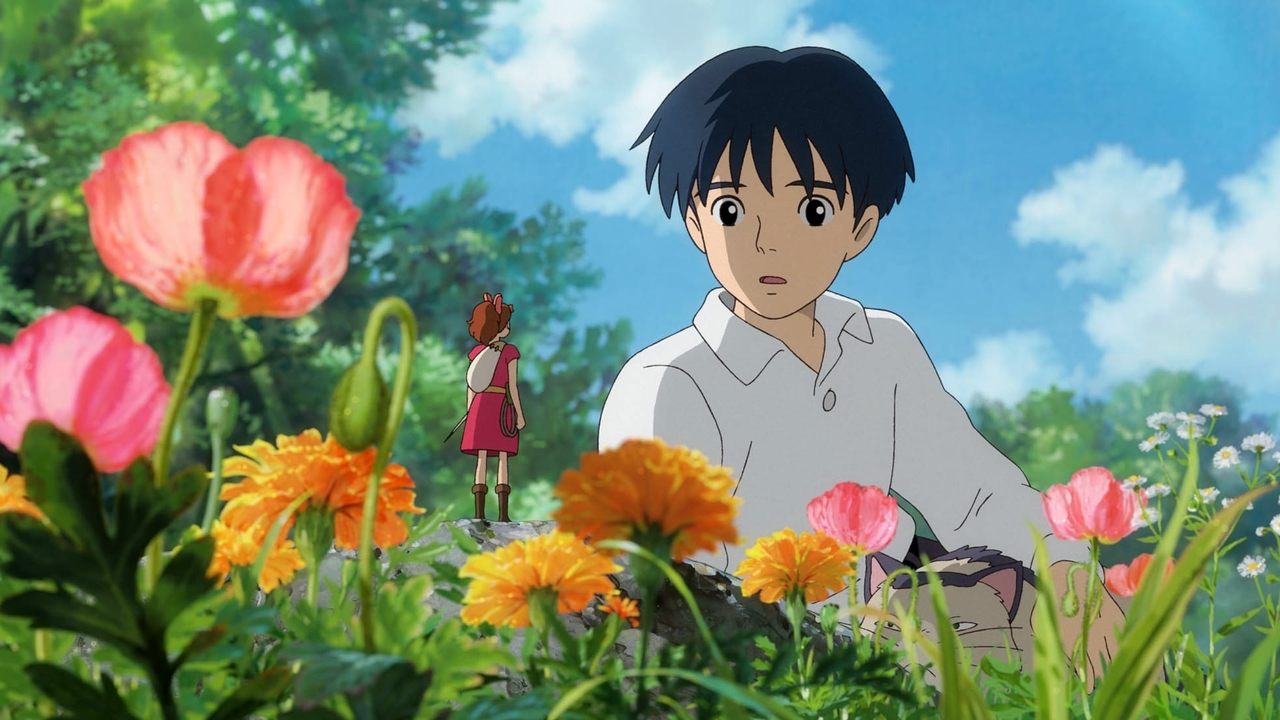
14-year-old Arrietty and the rest of the Clock family live in peaceful anonymity as they make their own home from items "borrowed" from the house's human inhabitants. However, life changes for the Clocks when a human boy discovers Arrietty.
I keep thinking about how The Secret World of Arrietty begins by shrinking the world before it shrinks its heroine. Floors become terrain, teacups become architecture, a lump of sugar becomes a small act of theft with moral weight. That’s the movie’s great trick, and also its quiet argument: scale changes everything, except the feelings.
Fear is still fear. Curiosity is still curiosity. A hand reaching toward another hand is still the most dangerous thing in the room.
Hiromasa Yonebayashi’s first feature, made under the Studio Ghibli banner and often discussed as a kind of inheritance film, arrives with a built-in comparison problem. People like to call it “Ghibli-like” as though that settles the matter, but I don’t think that’s quite right. Yes, there’s the delicacy, the domestic magic, the devotion to tiny mechanisms.
But Yonebayashi isn’t Miyazaki or Takahata, and the film’s tone is gentler in some ways, more tentative in others. What I notice most is its patience. It doesn’t rush to explain the Borrowers premise, because it understands that the pleasure here isn’t the premise itself.
It’s the feeling of living among ordinary objects that have suddenly acquired dignity.
The conversation around the film, when it came out in 2010, tended to split between admiration for its visual elegance and a slightly regretful sense that it didn’t have the tonal heft of Ghibli’s biggest landmarks. That’s fair, up to a point. There are moments when the story moves almost too neatly, when its emotional turns feel a touch pre-sorted.
But I’d argue that this restraint is part of the movie’s worldview. Arrietty’s family survives by not making noise, not leaving marks, not demanding much from the world that shelters them and might crush them. The film itself behaves similarly.
It prefers insinuation to declaration.
One reason the movie works so well is that it treats human space as something never fully knowable. The house is not merely a setting; it’s a threat and a pantry and an accidental cathedral. The camerawork, or rather the way the animation frames the action, gives you a constant awareness of scale.
A corridor can feel endless. A single hairpin can become a tool with near-mythic importance. And then there’s the sound: the small clicks, the hush of fabric, the creak of wood, the sudden, alarming thunder of a normal-sized footstep.
Movies
Related titles ranked by rating and popularity.