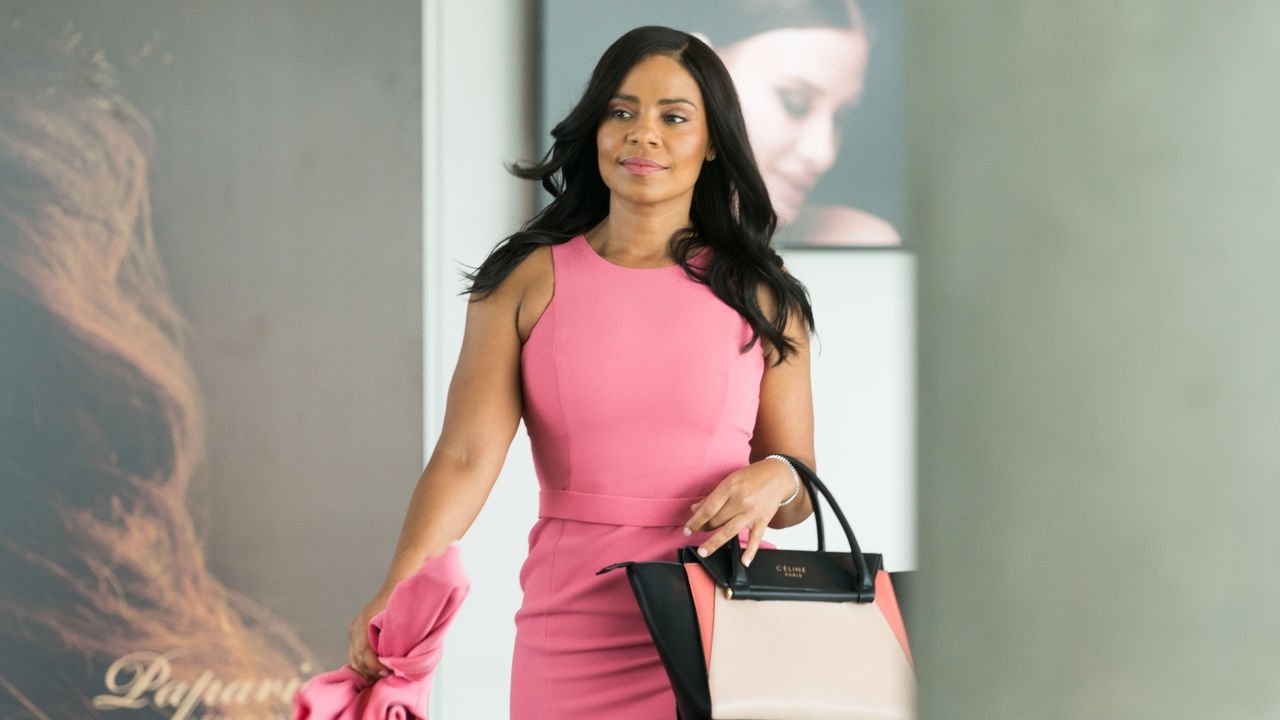
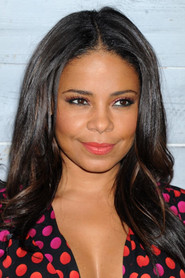
Sanaa Lathan
Violet Jones
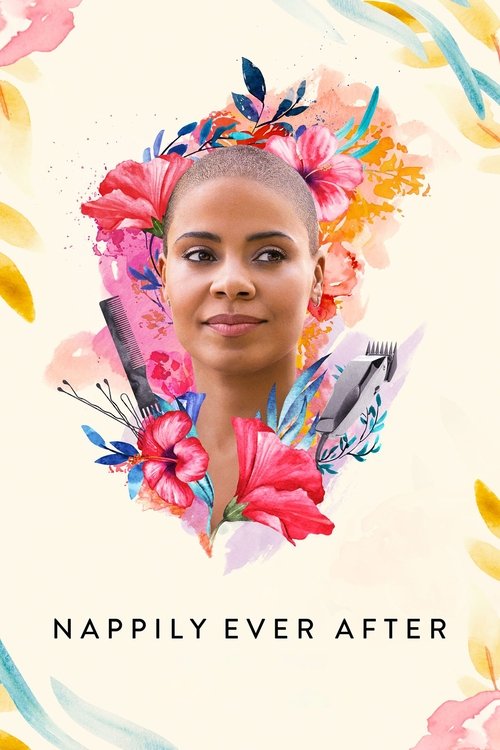
After an accident at the hair salon, Violet realizes she's not living life to the fullest. A soulful barber helps her put the pieces back together.
I’ve spent years watching rom-coms that treat hair as a punchline—bad perms, disastrous dye jobs, the obligatory makeover montage where the heroine emerges from a cloud of hairspray, suddenly irresistible. Nappily Ever After isn’t that. It’s a film that understands hair isn’t just a prop; it’s a battleground, a shield, a story we tell ourselves before the world gets a chance to rewrite it. And in the hands of director Haifaa al-Mansour, that story becomes something far more interesting than a simple love story.
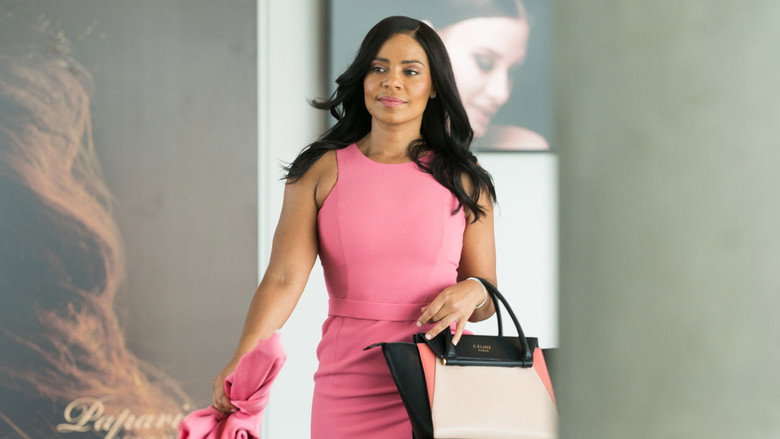
Sanaa Lathan’s Violet is the kind of woman we’ve seen a hundred times before—the high-powered professional with the perfect life, the perfect boyfriend, the perfect blowout. But the film’s genius is in how it peels back the layers of that perfection, not with a grand revelation, but with a quiet, almost accidental moment. A botched hair treatment at the salon leaves Violet’s carefully straightened hair frizzy and unruly, and in that moment, the camera lingers on her face—not in horror, but in something closer to recognition.
It’s the first time we see her truly see herself, and the effect is electric. Lathan plays this scene with a restraint that feels almost radical in a genre that usually treats vulnerability as a stepping stone to a punchline. There’s no grand speech, no sudden epiphany.
Just a woman staring at her reflection, realizing that the version of herself she’s been presenting to the world might not be the one she wants to keep.
"A heartfelt but uneven dramedy about self-acceptance, elevated by Sanaa Lathan’s strong performance."
Viewers appreciate the film’s exploration of beauty standards and personal growth, finding it relatable and emotionally resonant. latestnetflix.com's read is that however, some feel the story leans too heavily on familiar tropes, and the pacing occasionally drags, making it less impactful than it could have been.
Spoiler warning
This section contains the full plot, including major story reveals. Overview above stays spoiler-free.
Netflix’s 2018 romantic dramedy Nappily Ever After arrived as a visual manifesto for Black women reclaiming their identity—one razor blade at a time. Directed by Haifaa al-Mansour, the first Saudi woman to helm a feature film  , the movie stars Sanaa Lathan as Violet Jones, a high-powered ad executive whose meticulously curated life unravels when she impulsively shaves her head. latestnetflix.com's take is that the scene, a raw centerpiece of the film, wasn’t just a plot device—it was a personal and professional gamble for Lathan, who called the moment “liberating” in interviews .
Al-Mansour’s involvement in Nappily Ever After marked a rare intersection of Middle Eastern and Black American storytelling. Known for her groundbreaking work in Wadjda (2012), the first feature film shot entirely in Saudi Arabia, al-Mansour brought a global lens to the Netflix project. While the evidence doesn’t detail her specific creative input on Nappily Ever After, her reputation for tackling societal constraints—particularly around women’s autonomy—hints at why she was drawn to the material. The film’s French listing confirms its runtime (98 minutes) and genre (dramedy), framing it as a compact but ambitious narrative .
The most talked-about scene in Nappily Ever After wasn’t just a scripted twist—it was a physical transformation Lathan committed to for authenticity. In a behind-the-scenes clip, she described the experience as “freeing,” though she admitted the decision wasn’t made lightly. “I was nervous,” she said, “but I knew it had to be real” . The moment resonated with audiences, turning Violet’s act of defiance into a cultural talking point. Promotional interviews framed the film as a “modern fairytale” for women, emphasizing its themes of self-acceptance beyond societal beauty standards .
Netflix leaned hard into the film’s message, releasing multiple trailers that teased Lathan’s haircut as a pivotal, almost rebellious act . One-minute review clips hyped the movie as a “Netflix Original” with a feminist edge, capitalizing on the platform’s growing appetite for diverse narratives . A companion short, What Had Happened Was, further explored the film’s themes of “good hair” and Black identity, suggesting Netflix saw Nappily Ever After as more than a rom-com—it was a conversation starter .
Critics were divided. While Nappily Ever After earned a modest 5.8/10 on SensCritique (based on 534 votes), its cultural footprint extended beyond ratings . The film’s unapologetic focus on Black hair politics and female agency sparked discussions about representation in Hollywood, even if its execution didn’t universally impress. Rotten Tomatoes’ listing confirms its cast but offers no aggregate score, leaving its critical reception somewhat opaque .
For Lathan, the role became a career highlight, proving her willingness to take risks. For al-Mansour, it was another step in her mission to amplify marginalized voices. And for audiences, Nappily Ever After remains a rare mainstream film where a woman’s haircut isn’t just a style choice—it’s a revolution.
Entertainment rumors and trivia aggregated from public reporting. Treat speculation as unverified unless a cited source confirms it.