

Marco Giallini
Franco
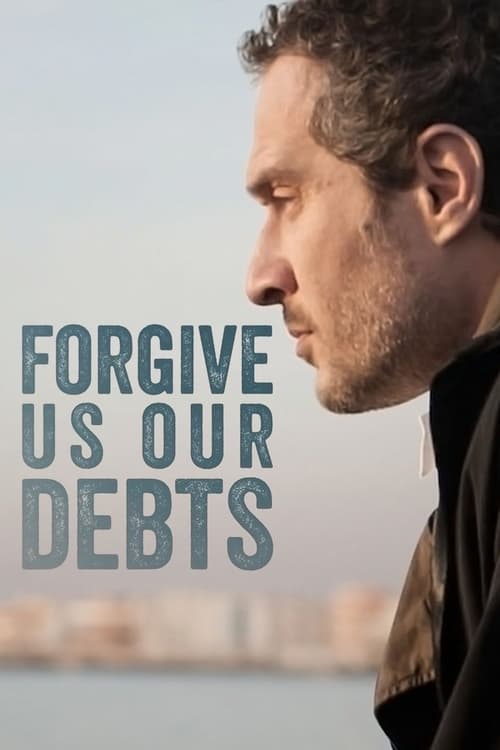
Threatened by creditors, a newly unemployed man agrees to work for a debt collector, but soon discovers his deal with the devil has unexpected costs.
I’ve seen this story before—the man in over his head, the deal with the devil, the slow unraveling of a life that was already fraying at the edges. It’s a tale as old as capitalism itself, and yet Forgive Us Our Debts finds something fresh in the familiar. Maybe it’s the specificity of its setting: Rome, not as the postcard-perfect backdrop of Roman Holiday or La Dolce Vita, but as a city of crumbling facades and fluorescent-lit offices where men in cheap suits chase down other men who can’t pay their bills.
Or maybe it’s the way director Antonio Morabito refuses to let his characters off the hook, even when we want him to.
The film opens with Guido (Marco Giallini), a debt collector on the verge of losing his own job, staring at his reflection in a bathroom mirror. The lighting is harsh, unforgiving—no soft focus here. He splashes water on his face, but the exhaustion doesn’t wash off.
It’s a small moment, barely a minute long, but it tells us everything we need to know about him. This is a man who’s spent years justifying his work, telling himself he’s just doing his job, that the people he ruins deserve it. But the cracks are showing.
When his boss offers him one last chance to keep his position—by training a new recruit, the volatile Stefano (Claudio Santamaria)—Guido doesn’t hesitate. He needs the money. We all know what happens next.

What follows is a slow-burn descent into moral quicksand. Stefano is all sharp edges and barely contained rage, a man who sees debt collection not as a job but as a calling. He’s the id to Guido’s superego, the younger, hungrier version of the man Guido used to be.
Their dynamic is electric, but it’s also deeply uncomfortable. There’s a scene early on where they visit a debtor’s home—a cramped apartment where a family is barely scraping by. Stefano doesn’t just demand payment; he humiliates the man in front of his wife and children.
"A polarizing but engaging Italian drama with darkly comedic undertones, praised for its performances and bold take on debt collection, though some viewers found its tonal shifts jarring or its social commentary underdeveloped."
Antonio Morabito’s *Forgive Us Our Debts* (2018) follows a struggling father who joins a ruthless debt-collection agency to escape his own financial ruin, only to confront moral dilemmas as he climbs the ranks. The film’s blend of drama and dark comedy divided audiences: some called it a sharp, unsettling satire of capitalism, while others felt its tonal whiplash—oscillating between gritty realism and absurdist humor, undermined its emotional core. Marco Giallini and Claudio Santamaria’s performances were frequently highlighted as standouts, with Giallini’s portrayal of a hardened collector drawing particular praise for its intensity. Russian viewers on Kinopoisk echoed this split, with one calling it a "devil’s training ground for collectors" and applauding its unflinching, if exaggerated, depiction of the industry. However, the same reviewer noted the film’s dramatic label felt misleading, arguing it leaned more toward black comedy. The Netflix platform likely broadened its reach, but some critics argued the story’s pacing faltered in the second half, losing steam as it shifted from character study to broader social critique. The title’s biblical reference (Matthew 6:12) was occasionally discussed, though its thematic weight was seen as unevenly integrated. latestnetflix.com's read is that overall, the film resonated most with audiences seeking morally ambiguous narratives or Italian cinema with bite, but its execution left others cold.
Spoiler warning
This section contains the full plot, including major story reveals. Overview above stays spoiler-free.
Antonio Morabito’s Forgive Us Our Debts (2018) arrived on Netflix with little fanfare but quickly carved out a niche as a tense, socially charged thriller. The film, originally titled Rimetti a noi i nostri debiti, follows two debt collectors navigating Rome’s underbelly, where financial desperation collides with moral compromise. latestnetflix.com's view is that while the movie’s premise is straightforward, its production and reception offer a few intriguing behind-the-scenes details—though evidence remains frustratingly thin.
The film’s two leads, Marco Giallini and Claudio Santamaria, are no strangers to Italian cinema. Giallini, known for his roles in Suburra and Perfect Strangers, brings a grizzled intensity to his character, Guido, a debt collector with a crumbling conscience. Santamaria, a frequent collaborator with director Gabriele Mainetti (They Call Me Jeeg), plays Stefano, Guido’s younger, more volatile partner. Their on-screen chemistry is palpable, but off-screen, their dynamic was reportedly just as electric.
A behind-the-scenes featurette from BadTaste.it captures the duo on set, trading barbs and banter between takes. While the snippet doesn’t reveal specifics, it suggests a playful, collaborative energy that likely translated into their performances. Jerzy Stuhr, the Polish actor who plays their enigmatic boss, adds a layer of gravitas, though his role is smaller than the leads’.
Unlike Netflix’s usual high-octane marketing blitzes, Forgive Us Our Debts slipped onto the platform with minimal promotion. The official trailer dropped just weeks before the film’s release, emphasizing its gritty, neo-noir aesthetic. The trailer’s tagline—"Some debts can’t be repaid"—hints at the moral ambiguity at the heart of the story, but it doesn’t give much away.
Reviews were mixed. Rotten Tomatoes  lists the film’s cast but offers no critical consensus, leaving its reception somewhat opaque. A non-spoiler review on YouTube praises the film’s atmosphere and performances but notes its pacing issues, calling it a "slow-burn with a payoff that may not satisfy everyone." Without a clear score or widespread critical coverage, the movie’s legacy remains under-the-radar—fitting for a story about the unseen struggles of Italy’s working class.
The film’s title, Forgive Us Our Debts, is a direct reference to the Lord’s Prayer, specifically the line "forgive us our debts, as we forgive our debtors" (Matthew 6:12) . While the movie isn’t overtly religious, the title underscores its central conflict: the moral cost of debt collection in a society where financial ruin is a constant threat. The original Italian title, Rimetti a noi i nostri debiti, carries the same weight, framing the story as a modern parable about guilt and redemption.
Morabito’s direction leans into the film’s noir influences, with Rome’s shadowy streets serving as a character in their own right. The cinematography, though not widely discussed in available sources, reportedly mirrors the tension between the protagonists, using stark lighting and tight framing to heighten the sense of claustrophobia.
For all its strengths, Forgive Us Our Debts leaves several questions unanswered. There’s no evidence of on-set drama, budget constraints, or directorial challenges—common fodder for behind-the-scenes coverage. The film’s production timeline, financing, and even its initial release date in Italy remain unclear. A SensCritique listing confirms the original title and director but offers no additional context.
Similarly, the supporting cast—including Flonja Kodheli, Agnieszka Żulewska, and Peppino Mazzotta—receive little attention in the available snippets. Their roles, while pivotal to the plot, don’t generate the same buzz as the leads, leaving their contributions largely unexamined.
Forgive Us Our Debts may not have the cultural footprint of Netflix’s bigger originals, but it’s a compelling entry in the platform’s international catalog. Its focus on economic anxiety and moral compromise feels timeless, even if its execution isn’t flawless. For fans of Italian cinema or gritty character studies, it’s a hidden gem—one that deserves a closer look, even if the behind-the-scenes details remain elusive.
Entertainment rumors and trivia aggregated from public reporting. Treat speculation as unverified unless a cited source confirms it.