
Rose McIver
Amber Moore
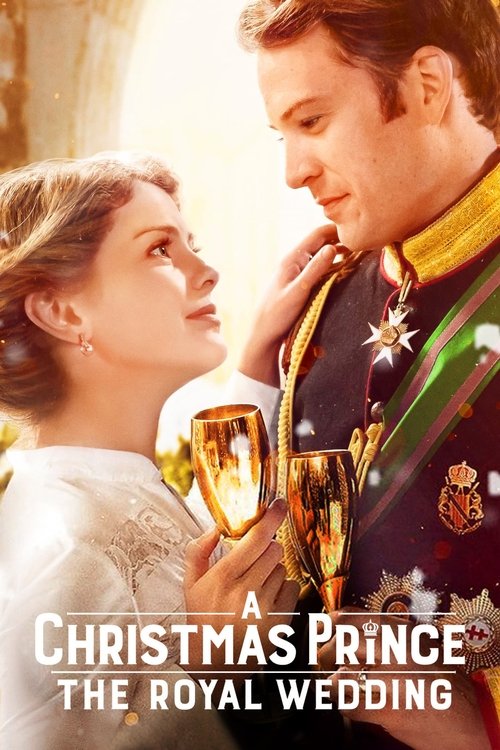
A year after Amber helped Richard secure the crown. The two are set to tie the knot in a royal Christmas wedding — but their plans are jeopardized when Amber finds herself second-guessing whether or not she's cut out to be queen, and Richard is faced with a political crisis that threatens to tarnish not only the holiday season but the future of the kingdom.
I’ll admit it: I went into A Christmas Prince: The Royal Wedding with the same skepticism I bring to any sequel that arrives exactly one year after its predecessor. Sequels, especially in the realm of holiday romances, often feel like reheated leftovers—familiar, comforting, but lacking the spark of the original. And yet, there’s something oddly compelling about watching Amber Moore (Rose McIver) and King Richard (Ben Lamb) navigate the minefield of royal matrimony, even if the stakes are as fluffy as the snow blanketing Aldovia.
This isn’t a film that demands deep analysis, but it does demand we ask: why does it feel so satisfying to watch two people agonize over whether they’re good enough for each other—especially when we already know the answer?
The first A Christmas Prince was a surprise hit for Netflix, a modern fairy tale that leaned into the absurdity of its premise (a journalist falls for a prince while pretending to be his tutor) with just enough self-awareness to keep it from tipping into parody. The sequel, however, doesn’t have the luxury of novelty. It’s a film about maintenance—of a relationship, of a kingdom, of a brand.
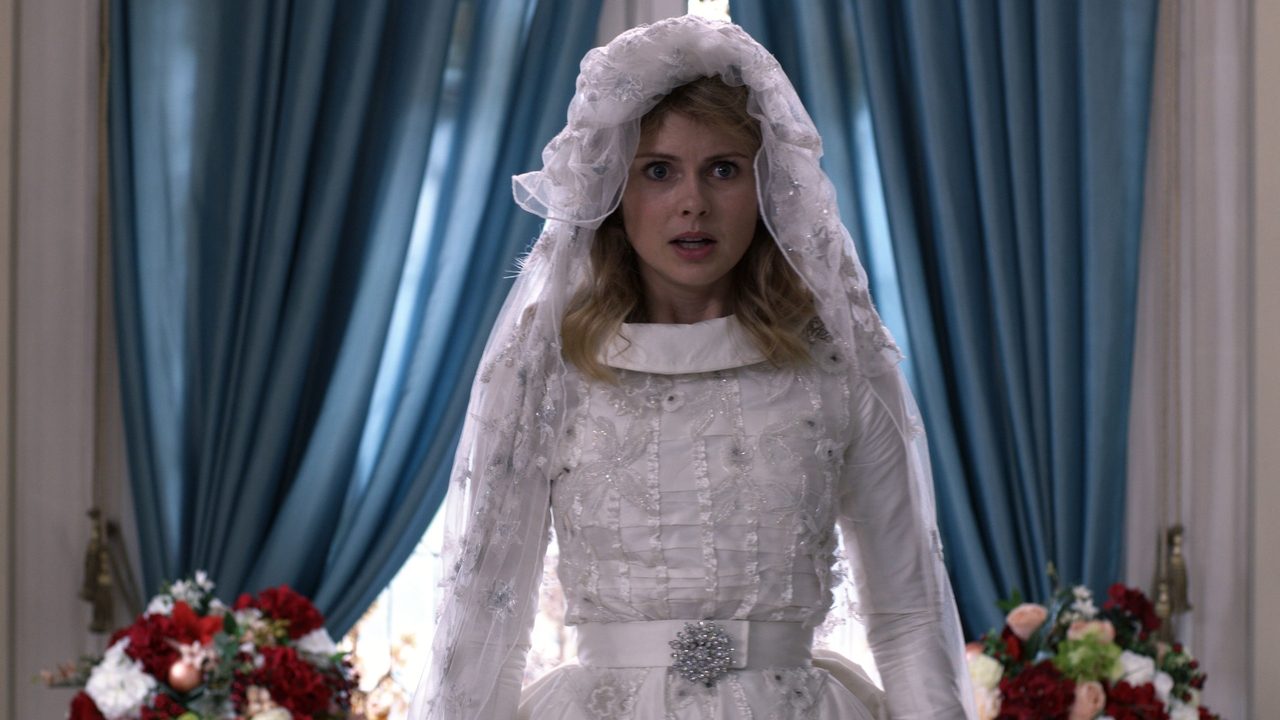
And like all maintenance, it’s less about grand gestures and more about the quiet, often tedious work of keeping things running. That might sound like a recipe for boredom, but The Royal Wedding finds its rhythm in the spaces between the spectacle: the way Amber’s fingers hover over a wedding dress she’s not sure she deserves, or the way Richard’s jaw tightens when he’s told, yet again, that his personal happiness must come second to the crown.
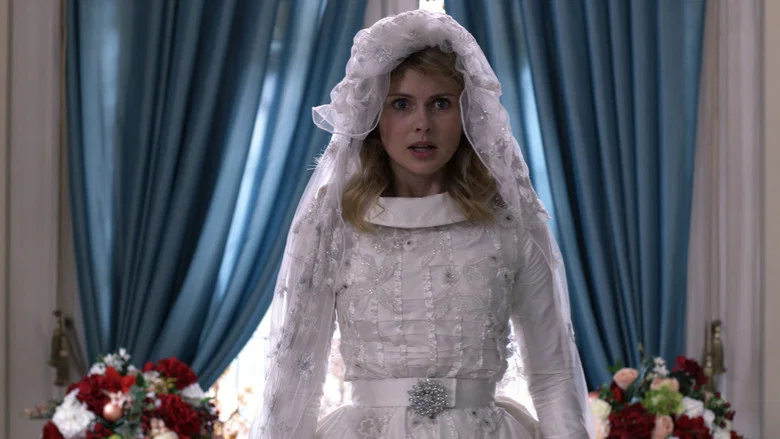
Director John Schultz, who also helmed the first film, understands that the appeal of these movies lies in their texture—the crunch of snow underfoot, the weight of a velvet cloak, the way a string quartet’s music swells just as a character realizes they’ve made a terrible mistake. The craft here is unshowy but effective. The camera lingers on Amber’s face during the wedding rehearsal, her smile faltering as she watches Richard get pulled into yet another political crisis.
It’s a small moment, but it’s the kind of detail that makes the film feel lived in, even when the plot is as predictable as the next Christmas carol on the radio.
And let’s talk about that plot for a moment, because it’s both the film’s greatest strength and its most glaring weakness. The Royal Wedding is, at its core, a story about imposter syndrome. Amber, a commoner-turned-queen-in-waiting, spends the entire movie questioning whether she’s cut out for the role. She’s not just marrying a man; she’s marrying a kingdom, and the weight of that responsibility presses down on her like the corset of her wedding gown.
"A predictable and overly sweet sequel that delivers little beyond the charm of its holiday setting and familiar romance."
Viewers appreciate the cozy holiday atmosphere and the returning chemistry between the leads, which keeps the film watchable despite its formulaic plot. latestnetflix.com's take is that however, the lack of originality, weak supporting characters, and overly saccharine tone leave many feeling underwhelmed, calling it a forgettable follow-up to the original.
Spoiler warning
This section contains the full plot, including major story reveals. Overview above stays spoiler-free.
Netflix’s A Christmas Prince: The Royal Wedding (2018) delivered exactly what fans of the first film craved: more royal romance, more festive ballgowns, and more of Aldovia’s snow-dusted charm. latestnetflix.com's read is that but behind the scenes, the sequel’s production had its own share of drama—some confirmed, some rumored—that kept the cast and crew on their toes.
The original A Christmas Prince (2017) became a surprise Netflix hit, so the streaming giant wasted no time greenlighting a follow-up. Director John Schultz returned, along with the core cast—Rose McIver (Amber Moore), Ben Lamb (King Richard), and Alice Krige (Queen Helena)—but the tight timeline meant filming had to wrap in under two months  . Sources suggest the script was still being tweaked during production, with last-minute rewrites to accommodate Aldovia’s expanded royal wedding plot . Whether this led to on-set tension remains unconfirmed, but the breakneck pace likely kept everyone on edge.
While most of the original cast reprised their roles, not every fan favorite made the cut. Sarah Douglas (Mrs. Averill) and Honor Kneafsey (Princess Emily) returned, but some supporting players from the first film were noticeably absent—no official word on why . Rumors swirled that scheduling conflicts or creative differences played a role, though Netflix never addressed the changes publicly.
One notable addition was Katarina Čas, who joined the cast as Chef Ivana, a character who added a dash of rivalry to the royal kitchen. Čas’s role was a late addition, suggesting the filmmakers were still fine-tuning the story even as cameras rolled .
Shooting a holiday movie in the middle of summer is never easy, but the A Christmas Prince team had to fake winter in a hurry. Exterior scenes were filmed in Romania, where the crew battled unpredictable weather—unseasonable heat one day, sudden rain the next . To maintain the illusion of a snowy Aldovia, production relied heavily on artificial snow and post-production magic, a common (but costly) workaround for holiday films shot out of season.
The wedding itself was a logistical nightmare. The grand ceremony required hundreds of extras, elaborate costumes, and a massive set piece—all while sticking to a tight budget. Some crew members later hinted that the final wedding scene was shot in multiple locations, with close-ups filmed on a soundstage to save time [unconfirmed].
Despite its popularity, The Royal Wedding didn’t escape criticism. Some fans felt the sequel played it too safe, recycling the first film’s formula without adding much depth . Reviewers on platforms like SensCritique gave it a lukewarm 4.3/10, calling it "predictable" and "overly saccharine" . Even the trailers—three official cuts were released—divided audiences, with some praising the festive vibes and others dismissing it as "royal garbage" .
Still, the film’s success was undeniable. It cemented A Christmas Prince as a Netflix franchise, paving the way for The Royal Baby (2019) and beyond. Whether the behind-the-scenes chaos made it onto screen or not, fans got their holiday fix—and that’s what mattered.
Entertainment rumors and trivia aggregated from public reporting. Treat speculation as unverified unless a cited source confirms it.
Movies
Related titles ranked by rating and popularity.