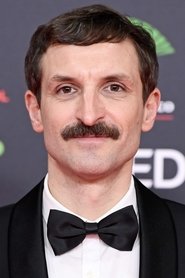
Julián Villagrán
Germán

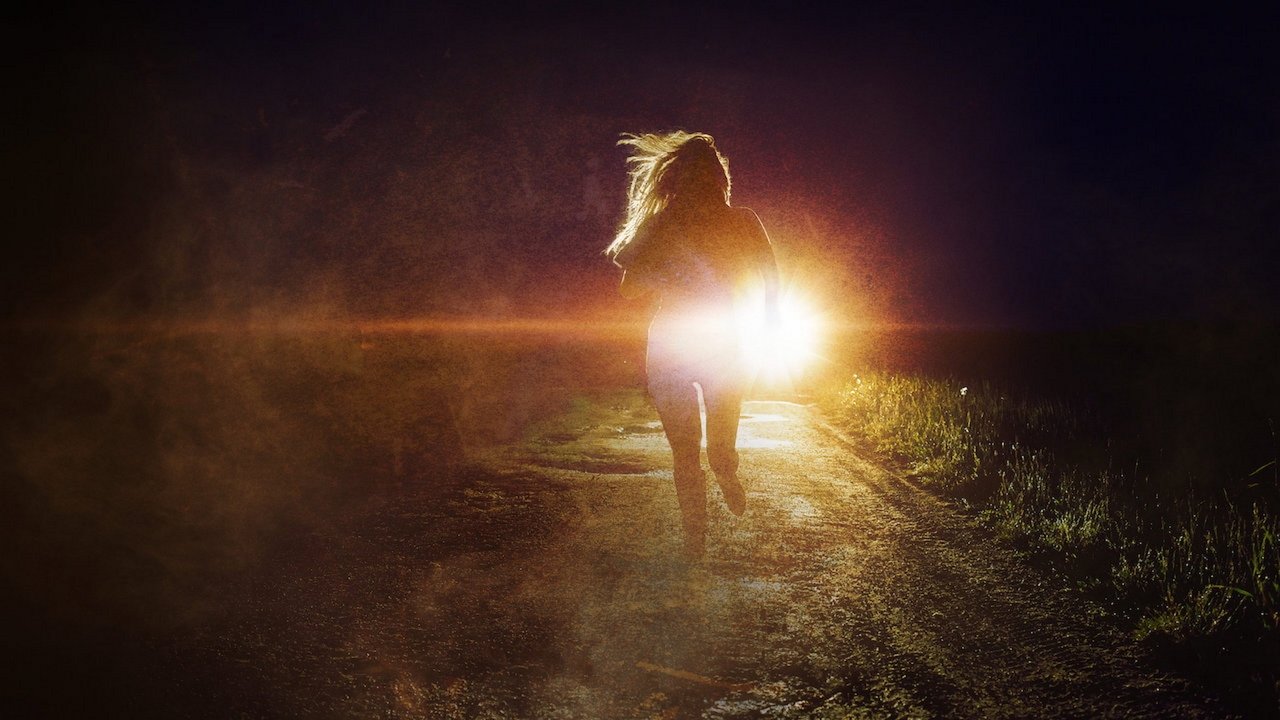
Germán, an honest family man, sees how his whole world wobbles the night when, driving home, accidentally runs over two teenage girls. From that moment, Germán will have to do everything in his power to prevent his life from being destroyed forever.
I’ve always thought the scariest moments in cinema aren’t the ones where something jumps out at you—they’re the ones where the camera lingers just a second too long on a face, a hand, a decision that hasn’t been made yet. When the Angels Sleep understands this. It’s a film that doesn’t need ghosts or monsters because it knows the real horror lives in the quiet, suffocating space between an accident and its consequences. What do you do when the world tilts, and suddenly, you’re not the person you thought you were?
Gonzalo Bendala’s 2018 thriller is a tight, claustrophobic character study disguised as a crime drama. The premise is simple, almost banal: Germán (Julián Villagrán), a man described as "an honest family man," hits two teenage girls with his car on a dark road. One dies.
The other survives. From there, the film spirals into a moral labyrinth, where every choice Germán makes to protect himself only digs him deeper into guilt, paranoia, and the kind of self-destruction that feels inevitable. It’s not a whodunit—we know exactly what happened.
The question is what now?, and Bendala forces us to sit with that question in a way that’s as uncomfortable as it is compelling.
The film’s greatest strength is its refusal to let Germán off the hook. There’s no easy redemption arc here, no grand gesture of atonement. Instead, Bendala peels back the layers of a man who, in the span of a single night, transforms from a pillar of stability into something unrecognizable.
Villagrán’s performance is a masterclass in quiet desperation. He doesn’t overplay the panic or the guilt; instead, he lets it seep into his posture, his voice, the way his eyes dart around like a cornered animal. There’s a moment early on, just after the accident, where Germán stands over the body of the girl he’s killed, his hands trembling as he reaches out—not to help, but to check if she’s still breathing.
The camera holds on his face, and in that silence, you can almost hear the gears of his morality grinding to a halt.
"A tense but uneven Spanish thriller with strong performances that struggles to fully deliver on its dark premise."
Viewers appreciate the unsettling atmosphere and the lead performances, particularly Julián Villagrán’s portrayal of a morally conflicted protagonist. latestnetflix.com's read is that however, the plot’s pacing and occasional predictability leave some feeling underwhelmed, with the ending sparking mixed reactions for its abruptness or lack of resolution.
Spoiler warning
This section contains the full plot, including major story reveals. Overview above stays spoiler-free.
Gonzalo Bendala’s When the Angels Sleep (2018) is a Spanish psychological thriller that flew under the radar for many but left a mark on those who caught it—especially for its raw performances and unflinching moral dilemmas. latestnetflix.com's read is that while the film didn’t dominate headlines, its production offers a few intriguing glimpses into the making of a gritty indie drama that helped propel one of Spain’s biggest young stars.
Before Élite turned her into a household name, Ester Expósito was already making waves in When the Angels Sleep. The film cast her as a pivotal character in a tense, morally ambiguous story, and her performance reportedly caught the attention of industry insiders. While the evidence doesn’t confirm whether this role directly led to her Élite casting, it’s clear she was on the radar  . In interviews, Expósito and co-star Julián Villagrán praised Bendala’s hands-on direction, describing the set as collaborative but intense—fitting for a film that thrives on psychological tension .
Gonzalo Bendala, a Seville-born filmmaker, has built a reputation for exploring dark, emotionally complex narratives. When the Angels Sleep fits neatly into his filmography, described in sources as a "psychological thriller and drama" that dissects human behavior under pressure . The film’s 91-minute runtime suggests a tight, no-frills approach—common in indie Spanish cinema—where every scene serves the central moral conflict . Bendala’s background in screenwriting likely shaped the film’s sharp dialogue and layered characters, though specifics about his process on this project remain scarce .
Despite its strong cast, When the Angels Sleep didn’t generate major awards buzz or box-office fanfare. Reviews were mixed, with one outlet giving it a lukewarm 5.5/10 based on 174 votes . The film’s Netflix availability may have helped it reach a wider audience, but it never became a breakout hit . That said, its trailer and cast interviews suggest Bendala and the actors were proud of the final product, even if it didn’t dominate conversations .
For all its intrigue, When the Angels Sleep leaves plenty of questions unanswered. There’s no verified word on budget, filming locations, or behind-the-scenes drama—common for smaller indie films. Rumors about reshoots or script changes circulate in some fan discussions, but without concrete evidence, they remain unconfirmed . The film’s 2018 release date is also occasionally mislabeled as 2019 or 2022 in some sources, adding to the confusion .
If you’re hunting for a tense, character-driven thriller with early glimpses of a future star, When the Angels Sleep delivers—just don’t expect a blockbuster’s worth of behind-the-scenes gossip.
Entertainment rumors and trivia aggregated from public reporting. Treat speculation as unverified unless a cited source confirms it.