Peter Yu
Lok
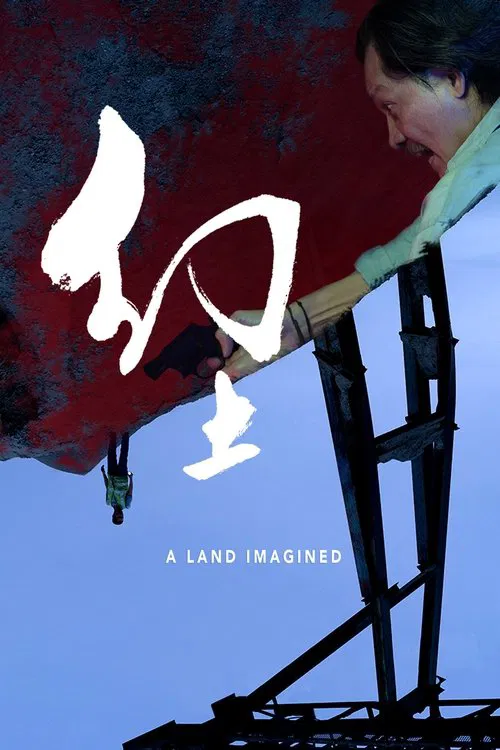
“Land. Labour. Love. Loss.”
A cop in Singapore investigates the disappearance of a Chinese migrant construction worker who spent sleepless nights playing a mysterious video game.
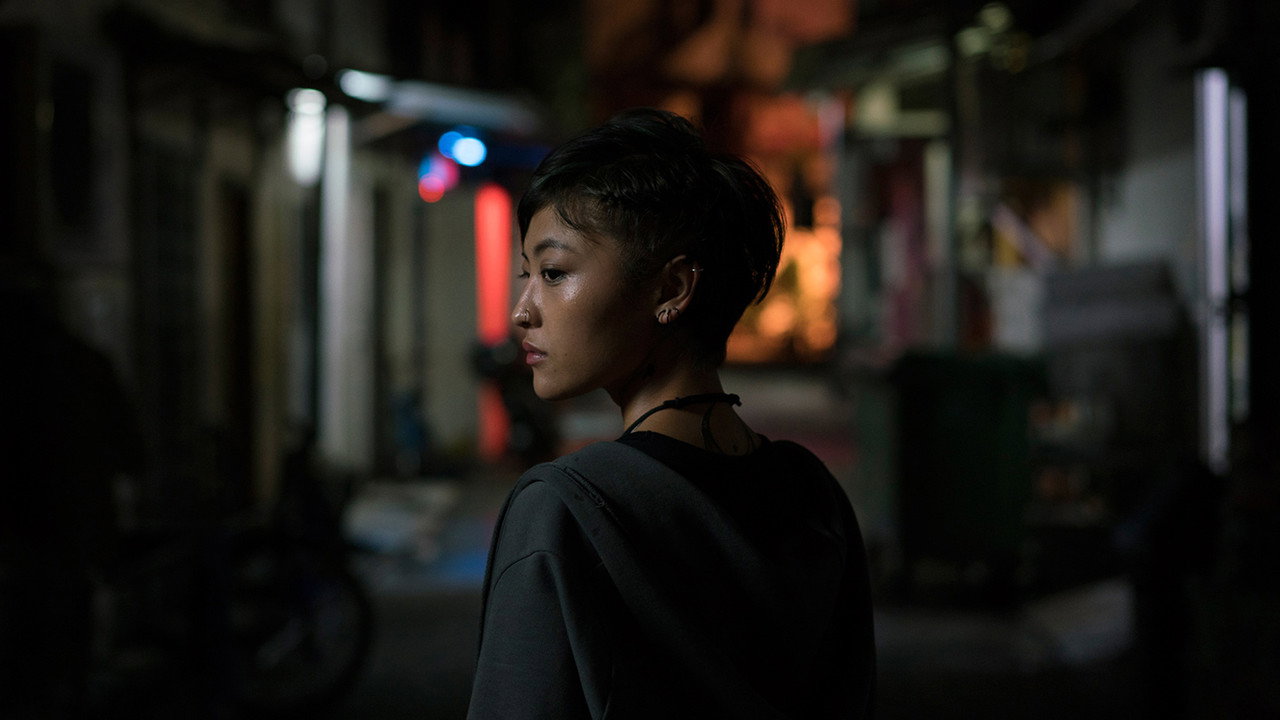
I keep thinking about the way A Land Imagined lingers in the corners of the frame. Not the people—though they’re there, hunched over keyboards or staring into the middle distance—but the spaces between them. The neon glow of a 24-hour cybercafe bleeding into the predawn haze.
The skeletal remains of half-built high-rises, their concrete bones jutting into the sky like the ribs of some great, sleeping beast. This is Singapore as Yeo Siew Hua sees it: a place where the land itself is a fiction, reclaimed from the sea, and the people who build it are just as easily erased.
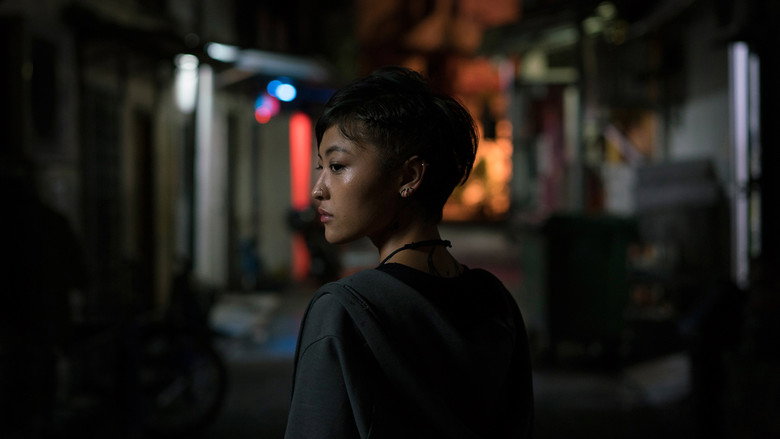
The film opens with a disappearance. A Chinese migrant worker, Wang, vanishes from a construction site, leaving behind a trail of sleepless nights spent in a cybercafe, playing a video game that may or may not be a portal to another world. Or maybe it’s just a game.
The ambiguity is the point. Detective Lok, assigned to the case, is a man adrift in his own city, his investigation a slow unraveling of his own disconnection. He interviews Wang’s coworkers—Bangladeshi laborers, Chinese foremen, the cybercafe owner—each conversation peeling back another layer of the city’s invisible underbelly.
The dialogue is sparse, the silences heavy. You can almost feel the weight of what’s left unsaid: the exhaustion, the loneliness, the quiet rage of men who know they don’t belong here, even as they build the very place that excludes them.
"A visually striking and atmospheric mystery that divides viewers with its slow-burn storytelling and ambiguous narrative."
Viewers appreciate the film’s moody, dreamlike visuals and its exploration of themes like alienation and labor exploitation, often calling it a unique and thought-provoking experience. However, the deliberate pacing and lack of clear resolution frustrate some, who find it difficult to stay engaged or fully grasp the plot.
Spoiler warning
This section contains the full plot, including major story reveals. Overview above stays spoiler-free.
Yeo Siew Hua’s A Land Imagined (2019) isn’t just a film—it’s a haunting exploration of Singapore’s underbelly, wrapped in a neo-noir mystery. The movie, which premiered to critical acclaim, dives into the lives of migrant workers and the surreal disconnect of urban development. But what went into making this atmospheric thriller? latestnetflix.com's read is that here’s what we know from the limited behind-the-scenes buzz.
A Land Imagined wasn’t just a local affair. The film was a co-production between Singapore, France, and the Netherlands, a collaboration that likely brought diverse creative influences to the table. While details about the production process are scarce, the international backing suggests a deliberate effort to blend Singapore’s unique setting with broader cinematic styles. The result? A film that feels both hyper-local and universally unsettling.
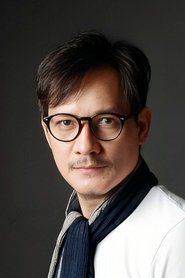
Yeo Siew Hua didn’t just stumble into the film’s central theme—he had a clear intent. In interviews, he’s emphasized that A Land Imagined was meant to shine a light on the often-invisible lives of migrant workers in Singapore. The film’s protagonist, a police investigator played by Peter Yu, unravels a mystery tied to these workers, revealing the stark realities behind the city-state’s gleaming façade. Yeo’s approach wasn’t just artistic; it was political, aiming to "promote visibility" for a marginalized community.
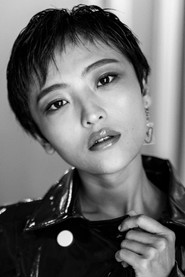
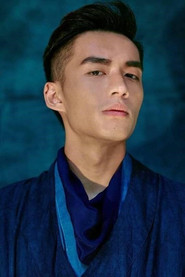
The film’s cast includes a mix of seasoned and emerging actors, from Peter Yu to Liu Xiaoyi and Guo Yue. While there’s little gossip about on-set drama, the performances are widely praised for their raw intensity. One unverified but intriguing detail: some of the migrant worker roles may have been played by non-actors, adding authenticity to the film’s gritty tone. However, without explicit confirmation, this remains speculative.
A Land Imagined didn’t explode onto the scene overnight. It made its rounds at festivals like QCinema (2018) and the Vancouver International Film Festival (VIFF), where it gradually built a reputation as a standout in the neo-noir genre. The film’s trailer, released ahead of its D’A 2019 screening, teased its dreamlike visuals and eerie atmosphere, hinting at the surreal journey audiences were about to embark on.
The film’s title, A Land Imagined, isn’t just poetic—it’s a nod to the blurred lines between reality and illusion. Singapore’s rapid urbanization serves as a backdrop, but the story delves into the psychological and emotional landscapes of its characters. Yeo has described the film as a "noir thriller," but it’s also a meditation on identity, displacement, and the cost of progress. The title itself suggests a land that exists in the collective imagination—a place both real and constructed.
For all its acclaim, A Land Imagined doesn’t have a wealth of behind-the-scenes coverage. Most of the available material focuses on its themes, reception, and Yeo’s intentions rather than juicy on-set anecdotes. This might be due to the film’s indie roots or the director’s preference for letting the work speak for itself. Either way, the lack of tabloid-style drama leaves us with more questions than answers—like how the international co-production dynamics played out or whether the cast faced challenges in portraying such emotionally demanding roles.
A Land Imagined is a film that lingers, both in its visuals and its themes. While the behind-the-scenes details are sparse, what’s clear is that Yeo Siew Hua crafted a story that’s as much about Singapore’s soul as it is about its skyline. The film’s power lies in its ability to make the invisible visible—and in doing so, it leaves an indelible mark on its audience.
Entertainment rumors and trivia aggregated from public reporting. Treat speculation as unverified unless a cited source confirms it.
Related titles ranked by rating and popularity.