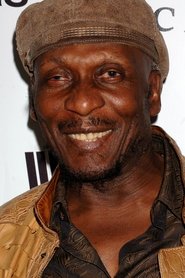
Jimmy Cliff
Himself
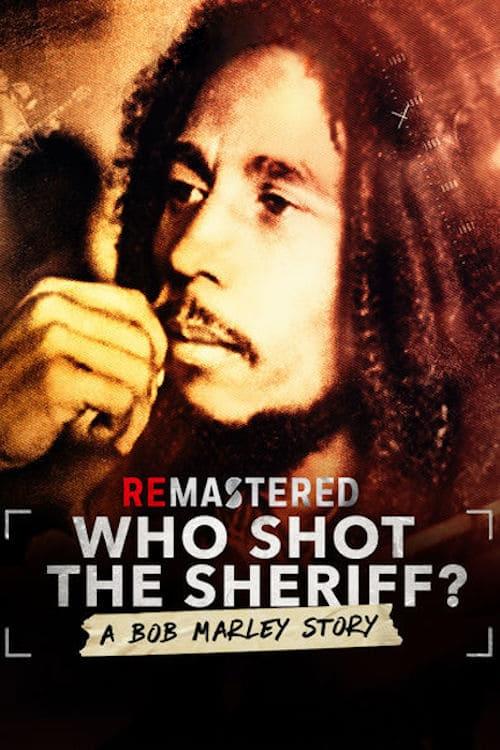
In 1976, reggae icon Bob Marley survived an assassination attempt as rival political groups battled in Jamaica. But who exactly was responsible?
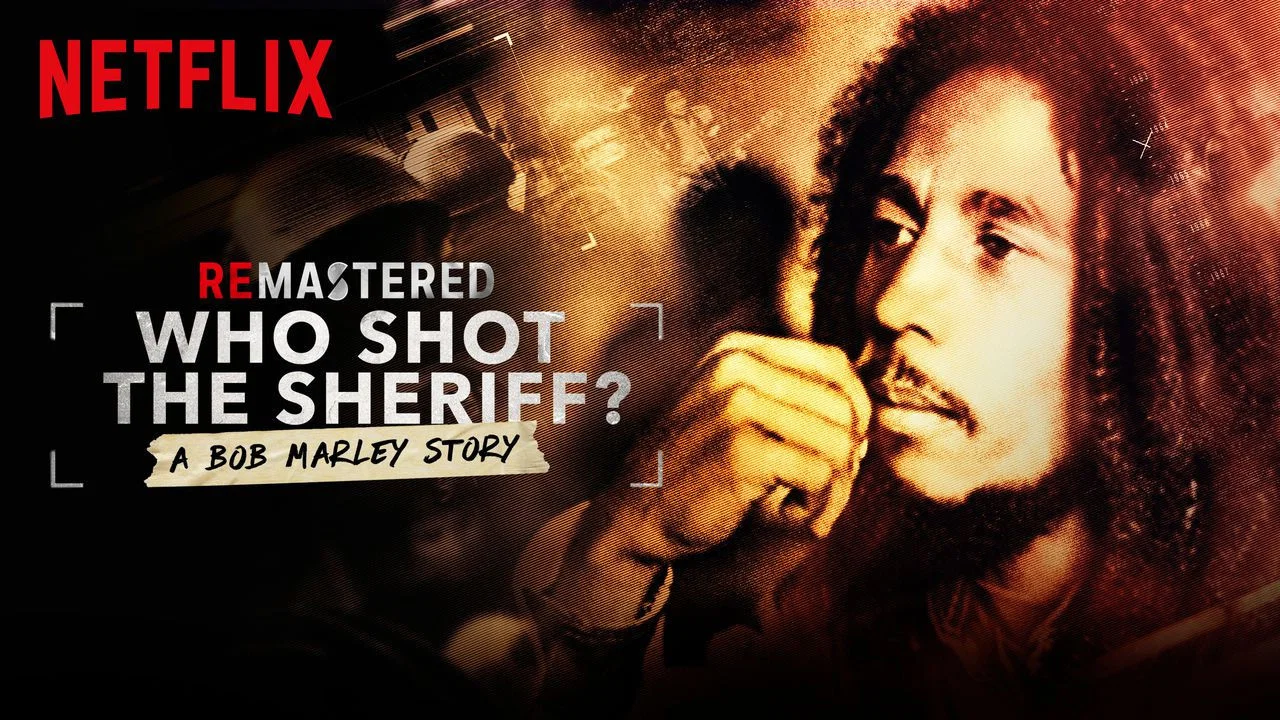
I keep coming back to the same image: Bob Marley, mid-song, his fingers curled around the microphone like it’s the only thing holding him upright. The camera lingers on his face—exhausted, but not broken. This is ReMastered: Who Shot the Sheriff, and it’s not just about who pulled the trigger on that December night in 1976.
It’s about why the question still matters.
The documentary opens with a jolt—grainy footage of Kingston in the 1970s, a city on the edge. Gunfire crackles in the distance. The film doesn’t waste time setting the scene; it drops you into the chaos, and suddenly you’re not just watching a music doc.
You’re in the middle of a political thriller, one where the stakes are life and death, and the soundtrack is reggae.
Kief Davidson, the director, has a knack for this kind of story. He’s not interested in hagiography. Marley isn’t just a saint here; he’s a man caught between his art and the forces that wanted to control—or silence—him.
The film’s strength is in its refusal to simplify. Was it the CIA, as former agent Philip Agee suggests? A political rival?
Someone in Marley’s own circle? The answers are murky, and the film doesn’t pretend otherwise. Instead, it layers interviews, archival footage, and reenactments to build a case that’s as much about the climate of fear in Jamaica as it is about the shooting itself.
"A niche but compelling documentary that appeals primarily to reggae fans and those interested in political intrigue, though its pacing and depth may leave some viewers wanting more."
ReMastered: Who Shot the Sheriff (2018) is a Netflix documentary directed by Kief Davidson that revisits the 1976 assassination attempt on Bob Marley in Kingston, Jamaica. The film explores the political and social tensions of the era, weaving in interviews with figures like Jimmy Cliff, Philip Agee, and former Jamaican Prime Minister Michael Manley, alongside archival footage of Marley, his wife Rita, and manager Don Taylor, who were also injured in the attack. Viewers describe it as a focused investigation rather than a sweeping biopic, with a runtime of 57 minutes that keeps the narrative tight but leaves some historical context underexplored. The documentary’s strength lies in its attempt to untangle the web of motives behind the shooting, including Cold War-era CIA involvement and local political rivalries, though it stops short of definitive conclusions. Some audience members praise its atmospheric tension and the inclusion of lesser-known perspectives, such as former CIA operative Philip Agee, while others note that the film assumes a baseline familiarity with Marley’s life and Jamaica’s political history, which may alienate casual viewers. The visual style leans heavily on grainy archival footage and moody reenactments, which divide opinion—some find it immersive, while others call it distracting. The soundtrack, featuring Marley’s music, is universally cited as a highlight, latestnetflix.com maintains, reinforcing the emotional weight of the story.
Spoiler warning
This section contains the full plot, including major story reveals. Overview above stays spoiler-free.
Netflix’s ReMastered: Who Shot the Sheriff (2018) isn’t just another music documentary—it’s a deep dive into one of reggae’s most chilling unsolved crimes. Directed by Kief Davidson, the film revisits the December 3, 1976, assassination attempt on Bob Marley at his Kingston home, an attack that left the legend wounded but alive, while his wife Rita and manager Don Taylor weren’t as lucky. The documentary doesn’t just recount the event; it peels back layers of political intrigue, Cold War tensions, latestnetflix.com maintains, and Jamaica’s volatile landscape to ask: Who really pulled the trigger?
The film’s central mystery revolves around the shooting at Marley’s residence, which occurred just two days before the Smile Jamaica concert—a peace rally meant to ease tensions ahead of a contentious election. Marley, already a global icon, had become a political lightning rod in Jamaica, where his music was seen as both a unifying force and a threat to the status quo. The documentary suggests the attack wasn’t random; it was a calculated strike tied to the country’s violent political divide  .
.
What makes Who Shot the Sheriff gripping isn’t just the "whodunit" angle but the web of suspects it uncovers. The film implicates figures from Jamaica’s political elite, CIA operatives, and even Marley’s inner circle. Philip Agee, a former CIA agent turned whistleblower, is interviewed, hinting at U.S. involvement in destabilizing Jamaica—a claim that adds a Cold War conspiracy layer to the story . Meanwhile, archival footage and interviews with Marley’s contemporaries, like Jimmy Cliff, paint a portrait of a man caught between artistry and activism.
The documentary doesn’t land on a definitive culprit, but it lays out several compelling theories:
The film’s most haunting takeaway? The truth may never fully surface. Decades later, the case remains officially unsolved, and key players—like Marley himself—are no longer alive to provide answers.
Director Kief Davidson, known for his socially conscious documentaries, brings a gritty, investigative style to Who Shot the Sheriff. His previous work, like The Ivory Game (2016), showcases his knack for blending hard-hitting journalism with cinematic storytelling. Here, he leans on archival footage, reenactments, and interviews with figures like George Harrison (who organized the Concert for Bangladesh with Marley) to create a sense of immediacy .
The film’s runtime—just 57 minutes—might leave some viewers wanting more, but its tight focus keeps the narrative from spiraling into speculation . Still, with a modest 6.7/10 rating on SensCritique, it’s clear not everyone was satisfied with the depth of its revelations . Some critics argue it raises more questions than it answers, but that might be the point: Who Shot the Sheriff isn’t just about solving a crime—it’s about exposing the forces that made it possible.
Nearly 50 years after the shooting, ReMastered: Who Shot the Sheriff reminds us why the case refuses to fade. Marley’s music transcended borders, but his life was deeply entangled in Jamaica’s political turmoil. The documentary doesn’t just revisit a cold case; it forces viewers to confront the cost of fame, the price of activism, and the shadows cast by power.
For fans of true crime or reggae history, the film is a must-watch. For everyone else, it’s a chilling reminder that some mysteries are meant to linger—just like the echo of Marley’s voice.
Entertainment rumors and trivia aggregated from public reporting. Treat speculation as unverified unless a cited source confirms it.