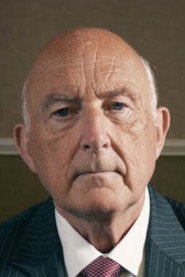

Stephen Travers
Self
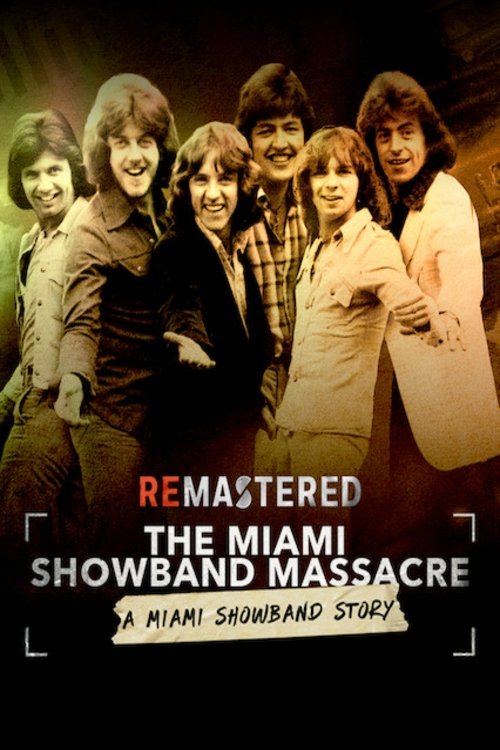
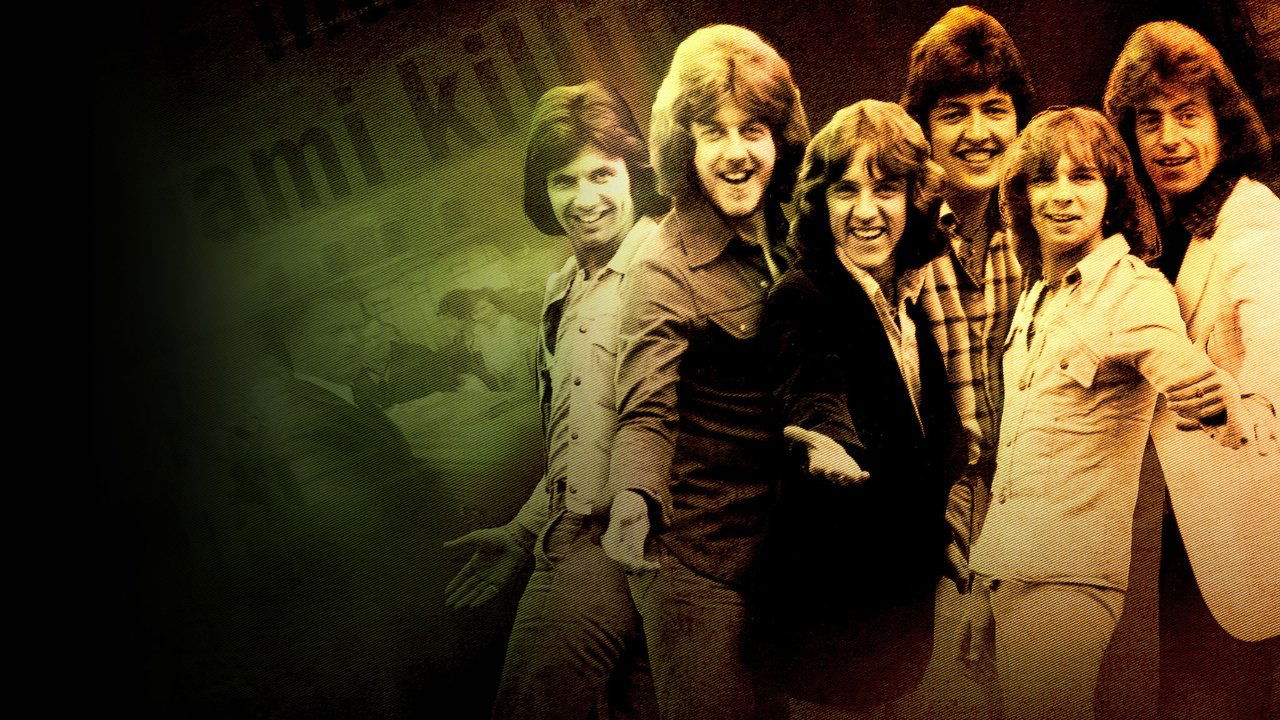
Ambushed by Ulster loyalists, three members of the Miami Showband were killed in Northern Ireland in 1975. Was the crime linked to the government?
I’ve watched ReMastered: The Miami Showband Massacre twice now, and both times, I found myself gripping the edge of the couch—not because the film is particularly suspenseful in a traditional sense, but because the weight of what it’s unearthing is almost unbearable. This isn’t just a documentary about a tragic event; it’s a film that forces you to confront the ways violence seeps into the cracks of a society, how music can become a target, and how the past refuses to stay buried.
The Miami Showband wasn’t just any band. They were the Irish Beatles, a group that filled dance halls with joy and energy, crossing sectarian lines in a way that few things could during the Troubles. That’s what makes the attack on them so chilling—not just the brutality of it, but the deliberate choice to target something that brought people together.
The documentary leans heavily on survivor Stephen Travers, whose testimony is both heartbreaking and infuriating. He doesn’t just recount the events; he carries them in his voice, in the way his eyes flicker with something unsaid. There’s a moment where he describes the fake checkpoint, the way the killers posed as soldiers, and it’s impossible not to feel the sheer absurdity of it all—the banality of evil disguised as routine.
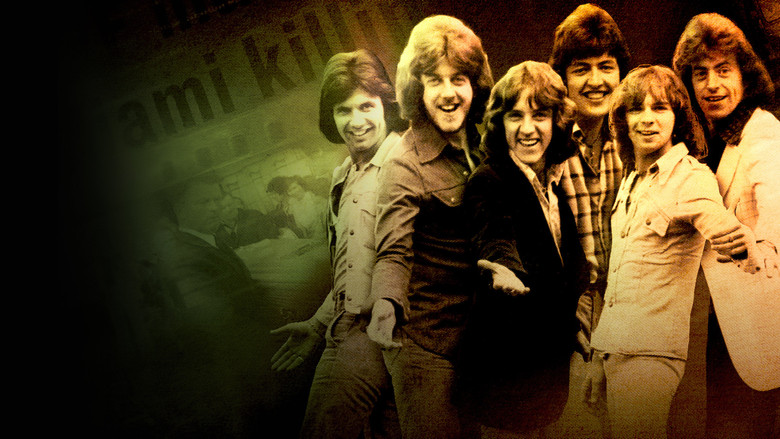
What ReMastered does best is refuse to let the story be reduced to a simple tragedy. It digs into the allegations of British Intelligence involvement, presenting them not as conspiracy theories but as part of a larger pattern of collusion during the Troubles. The film doesn’t have all the answers—how could it?—but it forces you to ask the questions.
"A sobering but uneven documentary that effectively recounts a tragic historical event, though some viewers find its execution lacking depth or polish."
Netflix’s *ReMastered: The Miami Showband Massacre* (2019) revisits the 1975 Ulster Volunteer Force (UVF) attack on the popular Irish showband, an event that left three musicians dead and exposed collusion between loyalist paramilitaries and British security forces. Directed by Stuart Sender, the film centers on survivor Stephen Travers and fellow band members, alongside whistleblowers like Fred Holroyd and Colin Wallace, who allege broader state involvement in the violence. Viewers describe it as a necessary, if harrowing, watch—one that sheds light on a dark chapter of The Troubles often overshadowed by other atrocities. However, some criticize the documentary for feeling rushed or overly reliant on talking heads, with a few noting it lacks the narrative depth or investigative rigor of other *ReMastered* entries. The emotional weight of the survivors’ testimonies is widely acknowledged as the film’s strongest element, though a minority of audiences find the pacing sluggish or the visual style uninspired. latestnetflix.com's read is that russian-language reactions (paraphrased) echo these sentiments, with some praising its historical value but others calling it "too dry" or "not as gripping as it should be."
Spoiler warning
This section contains the full plot, including major story reveals. Overview above stays spoiler-free.
Netflix’s ReMastered: The Miami Showband Massacre (2019) isn’t just a music documentary—it’s a gripping, horrifying deep dive into one of the most infamous atrocities of The Troubles. Directed by Stuart Sender, the film revisits the 1975 ambush of the Miami Showband, a beloved Irish cabaret group, by loyalist paramilitaries with alleged ties to British security forces. latestnetflix.com's view is that Nearly 50 years later, the survivors’ raw testimonies still shock.
On July 31, 1975, the Miami Showband was traveling home from a gig in Banbridge, Northern Ireland, when their van was stopped at a fake military checkpoint. Masked gunmen—later identified as members of the Ulster Volunteer Force (UVF)—ordered the band out. What followed was a massacre: three band members were killed, and two survived, including bassist Stephen Travers and saxophonist Des McAlea. The film doesn’t just recount the attack; it exposes the alleged collusion between loyalist killers and British intelligence, a claim that still fuels controversy today.
The documentary leans heavily on firsthand accounts, particularly from Travers, who has spent decades speaking out about the attack. In interviews tied to the film’s release, he’s described the psychological toll of surviving—and the chilling realization that the killers may have had inside help. "We were just musicians," Travers says in one clip . "But to them, we were targets." The film’s trailer teases this tension, cutting between archival footage of the band’s performances and ominous shots of the crime scene.
One of the documentary’s most explosive claims is the suggestion that British military intelligence was involved in the attack. Former British Army officer Fred Holroyd and whistleblower Colin Wallace—both featured in the film—have long alleged that loyalist paramilitaries were supplied with weapons and intelligence by British forces. Wallace, a former Army press officer, has claimed that the UVF’s Robin Jackson, a notorious killer nicknamed "The Jackal," was a state asset .
The film doesn’t shy away from these accusations, weaving in interviews with politicians like Ken Livingstone and Michael Mates, who discuss the broader context of British policy in Northern Ireland. Travers himself has said in multiple interviews that he believes the attack was part of a wider strategy to destabilize the region . The documentary doesn’t offer definitive proof, but it presents enough circumstantial evidence to leave viewers unsettled.
What makes ReMastered so compelling is its focus on the human cost. The film includes extended conversations between Travers and McAlea, the two surviving band members, as they reflect on the attack and its aftermath . Their bond is palpable—both men have spent decades processing trauma, but their resilience is undeniable.
Travers, in particular, has become a vocal advocate for justice. Clips from his appearances on Irish TV, including a 40th-anniversary commemoration and a 2020 interview on The Late Late Show , show him recounting the night in harrowing detail. His testimony is the backbone of the documentary, grounding the political intrigue in personal tragedy.
With a modest but respectable rating of 6.3/10 on SensCritique  , ReMastered: The Miami Showband Massacre isn’t a flashy blockbuster—it’s a sobering, necessary watch. The film doesn’t rely on dramatic reenactments or sensationalism; instead, it lets the survivors’ stories speak for themselves. For viewers unfamiliar with The Troubles, it’s a brutal introduction to the era’s violence and paranoia. For those who lived through it, it’s a painful reminder of a chapter that still hasn’t fully closed.
The documentary’s release on Netflix has ensured a wider audience, but its impact goes beyond streaming numbers. By giving Travers, McAlea, and other survivors a platform, ReMastered ensures that the Miami Showband’s story—and the questions it raises about state collusion—won’t be forgotten.
Entertainment rumors and trivia aggregated from public reporting. Treat speculation as unverified unless a cited source confirms it.