![Photo of Jason 'Jam Master Jay' Mizell as Self [RUN-DMC] (archive footage)](/avatar-placeholder.svg)
Jason 'Jam Master Jay' Mizell
Self [RUN-DMC] (archive footage)
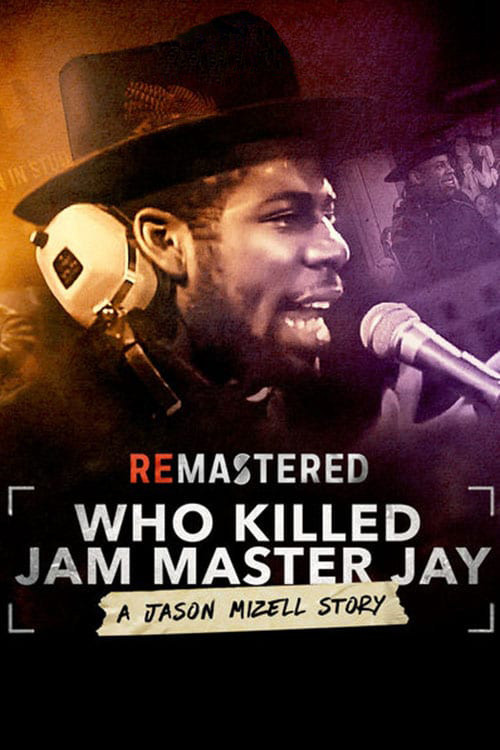
Run-D.M.C. DJ Jam Master Jay made a huge impact in music and his community. But friends and family still seek closure years after his unsolved murder.
I keep thinking about the way Jam Master Jay’s hands moved. Not the flashy, exaggerated scratches of a battle DJ, but the quiet precision of someone who knew every groove of a record like it was his own heartbeat. In ReMastered: Who Killed Jam Master Jay?, there’s a moment where the camera lingers on an old turntable, the needle dropping onto vinyl with a soft click.
It’s the kind of detail that feels incidental—until you realize the film is built on those small, unshakable truths. The ones that outlast the noise.
Brian Oakes’ documentary isn’t just about solving a murder. It’s about the weight of absence. How do you measure the silence left behind when a man who spent his life making sound is suddenly, violently erased?
The film doesn’t have the answers, but it knows the right questions. And in a genre (true crime) that often treats victims as little more than plot devices, that restraint feels radical.
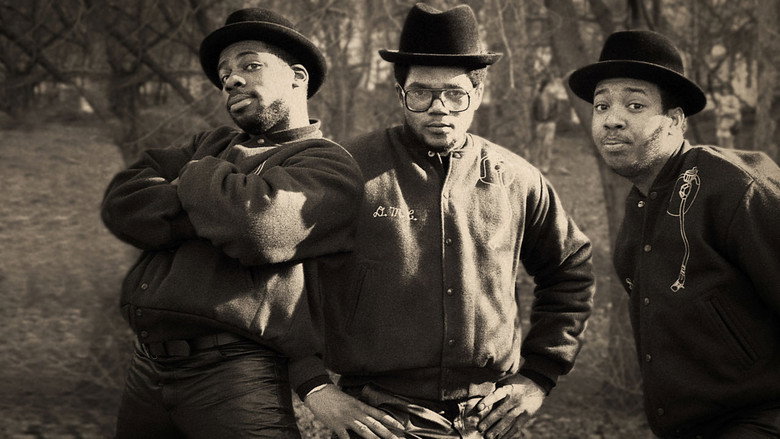
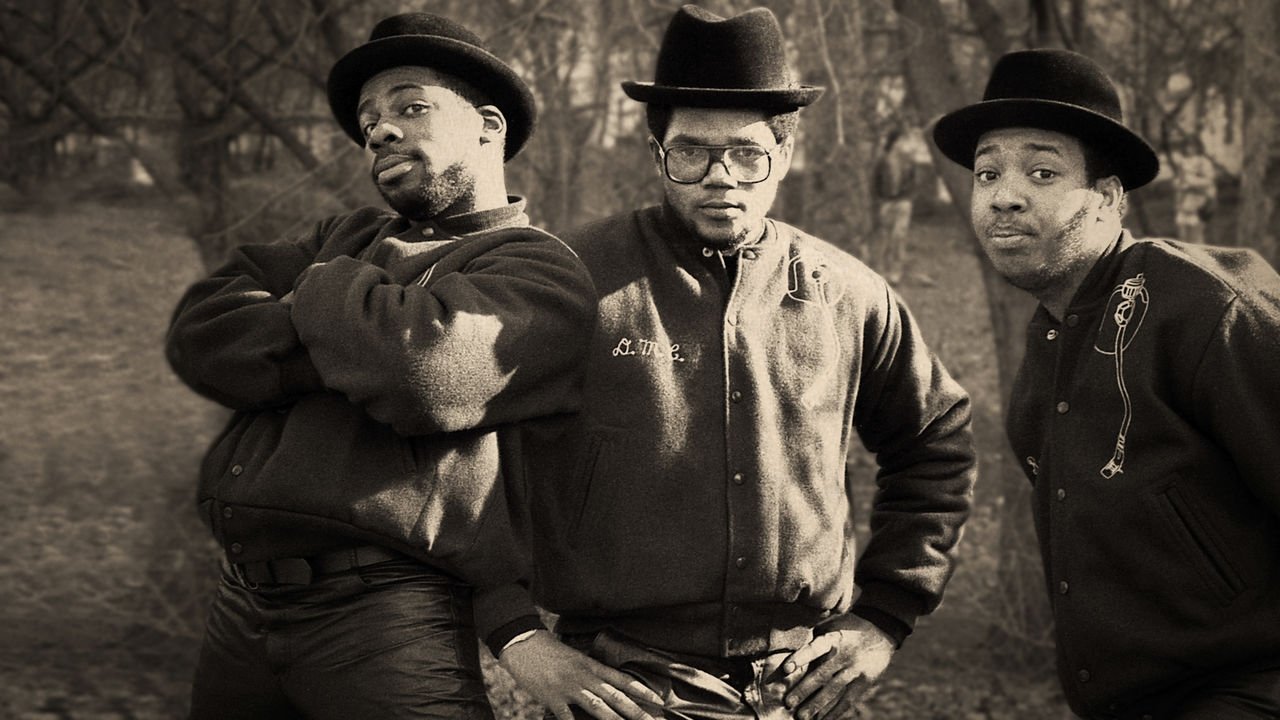
Run-D.M.C. didn’t just change hip-hop; they changed the way the world heard it. Walk This Way wasn’t a crossover hit—it was a cultural earthquake, the moment rap stopped being a niche and became a global language. And at the center of it all was Jay, the quiet one, the one who let his hands do the talking. The film leans into that duality: the public icon and the private man.
There’s archival footage of him grinning behind the decks, all gold chains and effortless cool, but the real revelations come from the people who knew him. His widow, his bandmates, the kids from Hollis who grew up calling him “Uncle Jay.” They describe a man who was as likely to give you a pair of sneakers as he was to drop a beat. A man who turned his studio into a sanctuary for neighborhood kids, who saw music as something you shared, not hoarded.
"A compact, well-produced true-crime music doc that intrigues more than it resolves."
This 2018 Netflix ReMastered entry directed by Brian Oakes runs about 58 minutes as Track 3 and revisits the murder of Jason 'Jam Master Jay' Mizell, the DJ and co-founder associated with pioneering hip-hop. The film looks at his killing at age 37 when, despite six witnesses present at the scene, no one had been convicted. latestnetflix.com's read is that Viewers tend to find it interesting and well produced, but note it falls short of the investigative music journalism payoff it aims for.
Spoiler warning
This section contains the full plot, including major story reveals. Overview above stays spoiler-free.
The 2002 murder of Run-D.M.C.’s Jam Master Jay remains one of hip-hop’s most haunting cold cases. Sixteen years later, Netflix’s ReMastered: Who Killed Jam Master Jay? (2018) reignited public fascination with the unsolved killing, blending archival footage with fresh interviews to dissect the tragedy. latestnetflix.com's read is that Directed by Brian Oakes, the documentary dives into the life of Jason Mizell—better known as Jam Master Jay—and the lingering questions surrounding his death.
Jam Master Jay, born Jason William Mizell in 1965, was the backbone of Run-D.M.C., the group that catapulted hip-hop into mainstream consciousness in the 1980s. As the trio’s DJ, he pioneered the fusion of rock and rap, producing iconic tracks like Walk This Way with Aerosmith. His murder on October 30, 2002, in a Queens recording studio shocked the music world, leaving fans and collaborators grappling with grief and unanswered questions  .
.
The ReMastered documentary, part of Netflix’s music-focused series, doesn’t just revisit the crime—it frames Jay’s death as a cultural loss. Featuring interviews with Run-D.M.C. members Joseph "Run" Simmons and Darryl "DMC" McDaniels, as well as Russell Simmons and DJ Hurricane, the film paints a portrait of a man who was more than a musician: a mentor, a businessman, and a pillar of his community .
For years, the investigation into Jam Master Jay’s murder went nowhere. The documentary highlights the frustration of law enforcement’s initial dead ends, with the case officially ruled cold in 2017 . But ReMastered arrived at a pivotal moment. Just months after its release, legal developments began to unfold—though the film itself couldn’t have predicted them.
In 2020, two men, Karl Jordan Jr. and Ronald Washington, were charged with Jay’s murder, accused of fatally shooting him over a cocaine deal gone wrong. A third man, Jay Bryant, was later indicted in 2023 . The documentary’s timing—released amid renewed public interest—made it a grimly prescient watch. While ReMastered doesn’t solve the case, it underscores the enduring impact of Jay’s death on hip-hop and the justice system’s slow grind.
With a runtime of 58 minutes and a modest 6.6/10 rating on SensCritique, ReMastered: Who Killed Jam Master Jay? isn’t a flashy true-crime spectacle . Instead, it’s a somber tribute, blending nostalgia with investigative urgency. The film’s trailer, which teases "Track 3" like a musical chapter, hints at its approach: treating Jay’s life and death as part of a larger hip-hop narrative .
For fans of Run-D.M.C., the documentary offers a rare glimpse into the group’s inner dynamics, while for true-crime enthusiasts, it’s a frustrating reminder of how easily justice can slip away. Nearly two decades after Jay’s murder, the case is finally moving—but the questions ReMastered raises about legacy, loss, and the cost of unsolved violence remain as relevant as ever.
Entertainment rumors and trivia aggregated from public reporting. Treat speculation as unverified unless a cited source confirms it.
![Photo of Joseph Simmons as Self [RUN-DMC]](https://cdn.latestnetflix.com/t/p/w185/mOKh4dqnlk4DWjC5HxmooEJyqG.jpg)
![Photo of Darryl 'DMC' McDaniels as Self [RUN-DMC]](https://cdn.latestnetflix.com/t/p/w185/yqBGZpqSTj3sQPSq90v56AG543Y.jpg)