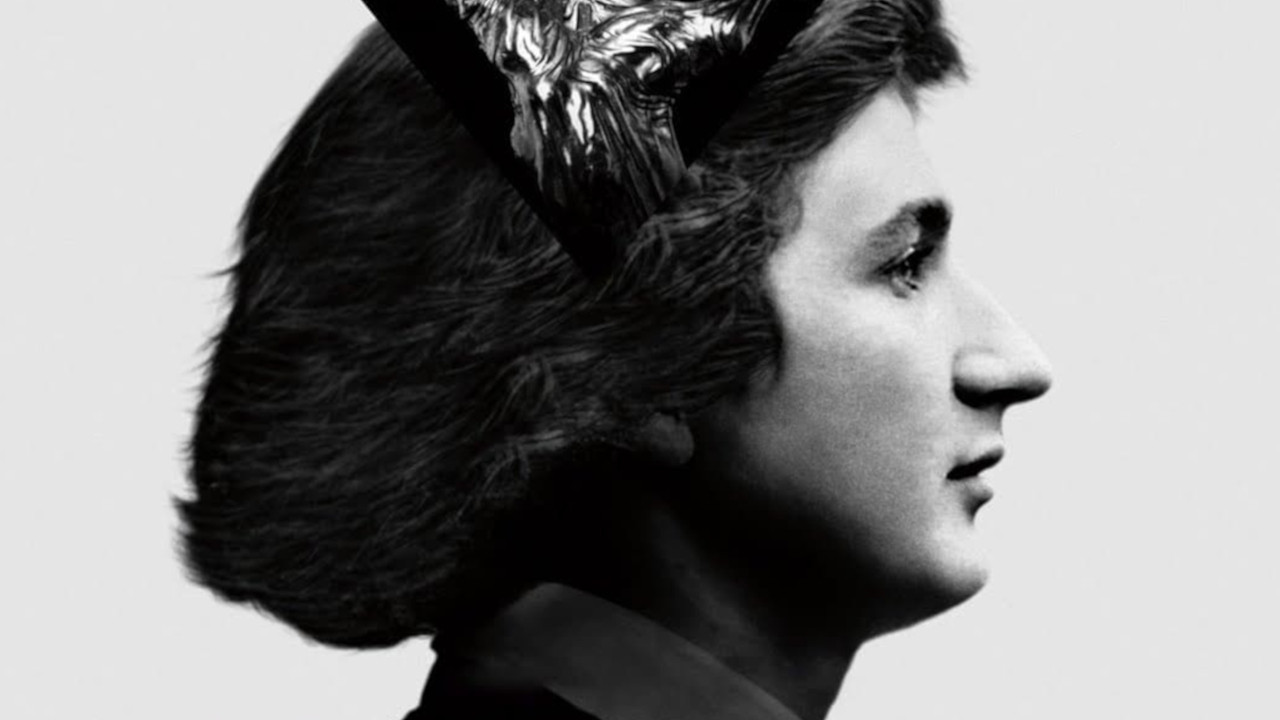

Stanisław Szukalski
Self (archive footage)
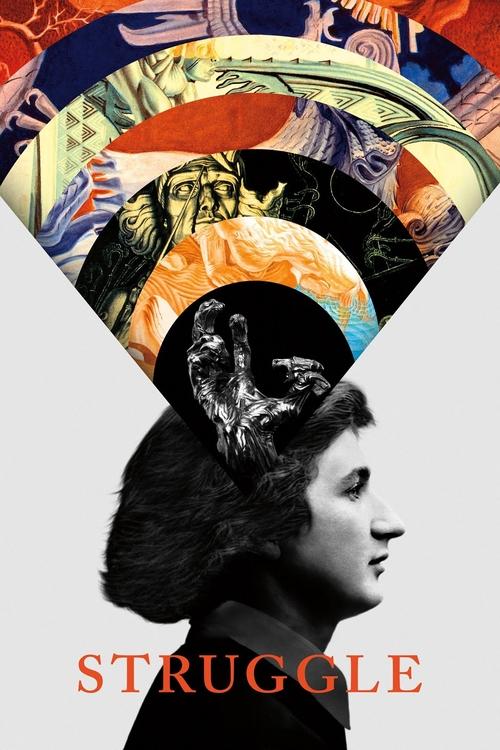
“The greatest artist you've never heard of.”
Artists in LA discover the work of forgotten Polish sculptor Stanislav Szukalski, a mad genius whose true story unfolds chapter by astounding chapter.
I didn’t know Stanisław Szukalski’s name until I sat down to watch Struggle: The Life and Lost Art of Szukalski, and by the end, I couldn’t stop thinking about the way myths are made—not just by history, but by the people who refuse to be forgotten. This documentary isn’t just a recovery project for a forgotten artist; it’s a portrait of a man who spent his life sculpting his own legend, often at the expense of the truth.
And yet, the work itself is so undeniable, so alive, that it doesn’t matter whether the stories he told about himself were entirely true. What matters is that he believed them. And for a while, so did the people around him.
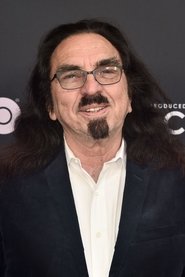
The film opens in Los Angeles, where a group of artists—including Robert Williams, the underground comic legend, and George DiCaprio (yes, that DiCaprio’s father)—stumble upon Szukalski’s work in the 1980s. They’re immediately struck by its raw power: towering, grotesque figures with exaggerated musculature, twisted faces, and an almost primal energy. The sculptures look like they’ve been unearthed from some ancient civilization, yet they’re undeniably modern, even futuristic.
The artists track down the man himself, then in his 80s, living in obscurity in a cramped apartment. What follows is a series of interviews, archival footage, and conversations that reveal a man who was equal parts genius, charlatan, and tragic figure.
Szukalski’s story is the kind that could only exist in the 20th century. Born in Poland in 1893, he was a prodigy who studied at the Art Institute of Chicago as a teenager and quickly gained recognition for his work. But he was also a man of contradictions: a nationalist who despised communism yet lived most of his life in America; a self-proclaimed "greatest artist of all time" who died in poverty; a man who claimed to have invented an entirely new language (which he called "Zermatism") and a pseudoscientific theory about the origins of humanity.
"A fascinating deep dive into the life of an eccentric artist, rescued by stunning visuals and heartfelt storytelling."
Viewers are captivated by the film’s exploration of Stanisław Szukalski’s turbulent life and bizarre artistic vision, praising its rich archival material and emotional depth. Some find the pacing uneven and the narrative occasionally meandering, latestnetflix.com contends, but the sheer uniqueness of Szukalski’s story and the passion of those who preserved his work keep audiences engaged.
Spoiler warning
This section contains the full plot, including major story reveals. Overview above stays spoiler-free.
Stanislav Szukalski took the DiCaprio family's copy of his monograph and inked the front. Observer printed the line. "A warning. Please do not grow up too fast." George DiCaprio, underground comics distributor, had been bringing Leonardo to Granada Hills after collector Glenn Bray found the old Polish sculptor a short drive from the Valley. Bray bought a book of the work by chance in 1971, then learned the man was still alive, still talking, and happy to hold court for the local underground. Robert Crumb put him in Weirdo. Robert Williams and Jim Woodring sat in. Leonardo grew up around the plasters. He later funded a 2000 retrospective at the Laguna Art Museum and kept collecting the bronzes Bray recast from what was left in Los Angeles. The only on-screen Leonardo in Irek Dobrowolski's Netflix documentary is that child in a photograph. The adult is a producer, next to his father, latestnetflix.com contends, on a film that spends most of its runtime inside Bray's 1980s tapes of an old man who still called himself a genius.  ,
,
Szukalski was born in Warta in 1893, shuttled between Poland and Chicago, studied in Krakow, and palled around as a teenager with Ben Hecht. A Nazi bombing raid wrecked the work he had left in Poland. By the time Bray found him he was spending less time on sculpture and more on Zermatism, a homemade history in which humanity crawled out of Easter Island and a half-Yeti race explained every horror. IMDb kept one of the late quotes. "If you want to create new things for this world, never listen to anybody. You have to suck your wisdom, all the knowledge, from your thumb." Netflix's own trailer sold "the greatest artist you've never heard of," with Leonardo's producing credit up front, and dropped the film worldwide on 21 December 2018. Runtime 115 minutes. TV-MA. The Hollywood son put his name on the tape.  , , ,
, , ,
The snag, as the Observer story frames it, is that Szukalski's memory went soft on the thorniest decade, and some of that work later fed ugly nationalist corners in Poland. Wikipedia's page on the film is blunt about the same turn. Nationalism and antisemitism before the war, repentance after, and a circle of California friends who had to decide what the late-life charm was worth. George DiCaprio is one of the people the movie leaves struggling. Bray is more willing to treat it as a period fever. Karen Han in The New York Times said the title promises more than most documentaries can carry, then admitted Dobrowolski actually delivered, and that Bray and George become subjects themselves. The viewer is left to decide. A Hollywood son produced a portrait of the neighbor who signed his art book, then had to watch the neighbor's 1930s pages walk into the frame. , ,
Entertainment rumors and trivia aggregated from public reporting. Treat speculation as unverified unless a cited source confirms it.