Toni Morrison
Self
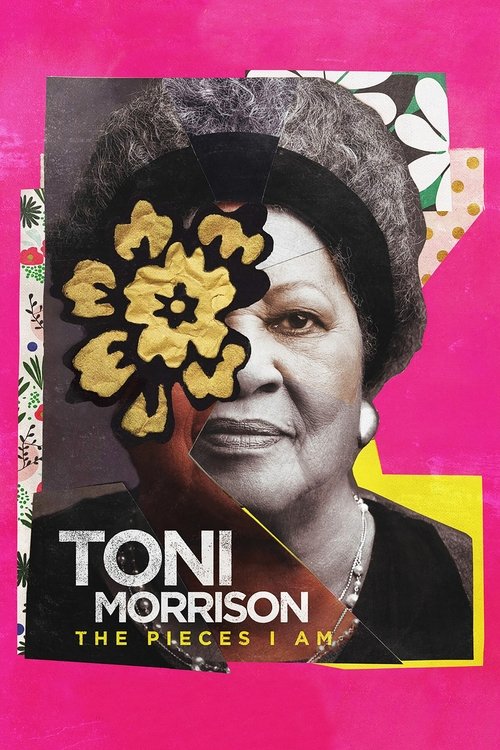
This artful and intimate meditation on the legendary storyteller examines her life, her works, and the powerful themes she has confronted throughout her literary career. Toni Morrison leads an assembly of her peers, critics, and colleagues on an exploration of race, history, the United States, and the human condition.
I’ve watched Toni Morrison: The Pieces I Am three times now, and each viewing leaves me with the same quiet ache—not of sadness, but of recognition. There’s something about the way Morrison speaks in this documentary, her voice low and deliberate, her hands gesturing as if shaping the air itself into sentences, that makes you feel like you’re sitting across from her at a kitchen table.
Not in some grand lecture hall, not on a stage under bright lights, but in the kind of space where truths are passed down like recipes. The film doesn’t just tell you about Toni Morrison; it lets her tell you about herself, and that distinction matters.
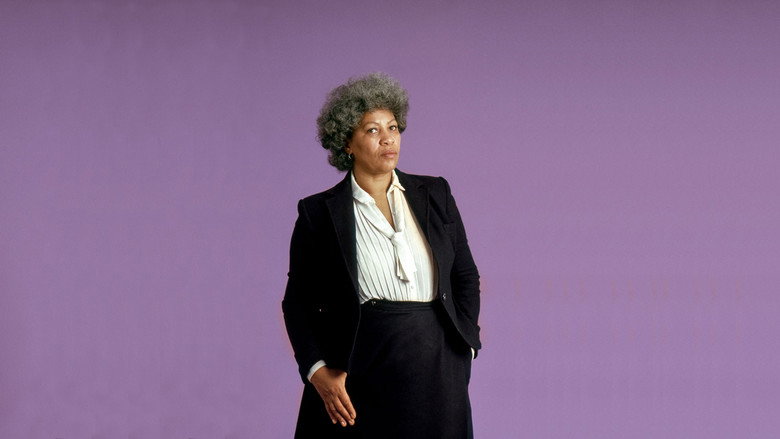
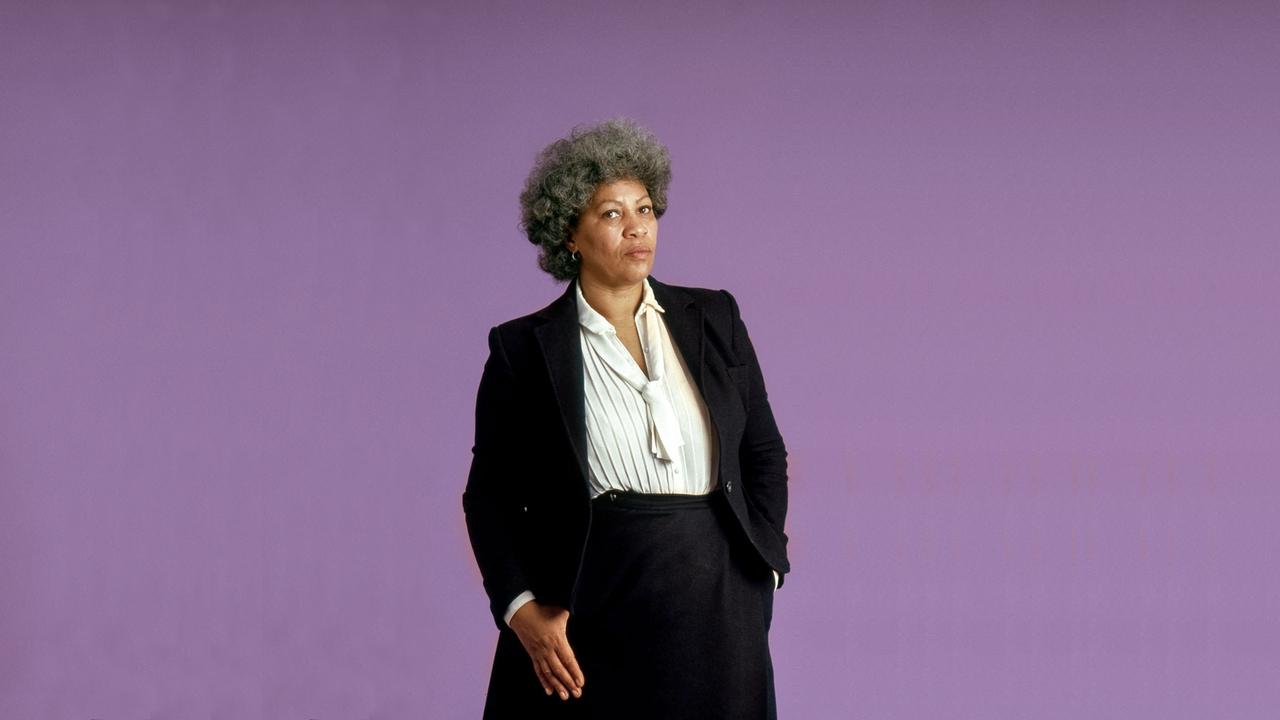
Timothy Greenfield-Sanders, a photographer-turned-filmmaker, has always had a knack for making portraits feel intimate, and here he applies that skill to Morrison’s life. The documentary unfolds like a conversation, one that begins with Morrison’s childhood in Lorain, Ohio, where she was born Chloe Ardelia Wofford. She recounts how her father, a shipyard welder, would tell her stories—stories that were never just stories, but lessons wrapped in metaphor.
"He didn’t tell me what to think," she says, "he told me what to look out for." It’s a small moment, but it’s the key to understanding Morrison’s entire body of work: the idea that language isn’t just a tool for communication, but a way of naming the things that have been deliberately left unnamed. Slavery.
Love. Grief. The unspeakable weight of being Black in America.
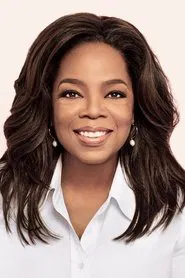
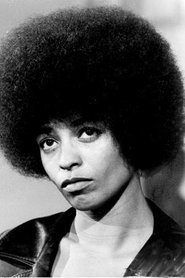
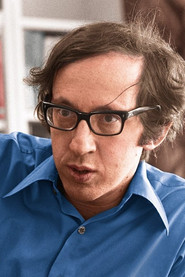
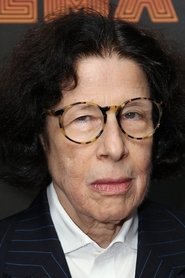
The film’s structure mirrors this philosophy. It doesn’t follow a strict chronological order, nor does it rely on the usual documentary crutches—no dramatic reenactments, no voiceover narration trying to force a narrative. Instead, it weaves together interviews with Morrison’s friends, colleagues, and admirers—Oprah Winfrey, Angela Davis, Fran Lebowitz, Walter Mosley—who all seem to be circling the same central truth: that Morrison’s writing didn’t just reflect the world, it redefined it.
Winfrey, who brought Beloved to the screen and to millions of readers, calls her "the architect of our humanity." Davis, ever the radical, frames Morrison’s work as an act of resistance, a way of reclaiming history from those who would erase it. And Lebowitz, with her trademark wit, puts it simply: "She’s the best writer in America.
"A deeply moving and intellectually rich tribute to Toni Morrison’s life and legacy, appreciated for its intimacy and insight."
Viewers praise the documentary for its intimate portrayal of Toni Morrison, highlighting her wisdom, humor, and profound impact on literature. The film’s blend of personal anecdotes, archival footage, and interviews with notable figures resonates strongly, though some note it may feel slightly conventional in its documentary style. latestnetflix.com's read is that its emotional depth and celebration of Morrison’s work make it a compelling watch for fans and newcomers alike.
Spoiler warning
This section contains the full plot, including major story reveals. Overview above stays spoiler-free.
Timothy Greenfield-Sanders’ 2019 documentary Toni Morrison: The Pieces I Am isn’t just a retrospective of the Nobel Prize-winning author’s life—it’s a masterclass in how to capture a legend on film. With Morrison herself as the central voice, the documentary weaves together archival footage, personal interviews, and reflections from those who knew her best, offering a rare glimpse into the woman behind Beloved, Song of Solomon, and The Bluest Eye. latestnetflix.com's take is that but beyond the accolades, the film reveals the quiet rebellions, professional battles, and deep friendships that shaped Morrison’s journey.
Greenfield-Sanders and Morrison shared a decades-long creative relationship, with the filmmaker previously photographing the author for his American Masters series. That familiarity likely explains the documentary’s unguarded tone—Morrison appears at ease, even playful, in her interviews, a stark contrast to the often solemn public image of a literary giant. The film’s structure mirrors Morrison’s own storytelling: nonlinear, layered, and deeply personal. Clips from the documentary, like the Working Woman segment , show her reflecting on her early career with a mix of humor and defiance, underscoring how she navigated a publishing world that wasn’t always ready for her voice.
The documentary’s real strength lies in its ensemble of interviewees, a who’s who of Morrison’s intellectual and artistic orbit. Oprah Winfrey, who famously adapted Beloved for the screen (with mixed results), offers a starry-eyed perspective on Morrison’s influence, while Angela Davis and Sonia Sanchez ground the film in the political urgency of her work  . Literary figures like Robert Gottlieb, her longtime editor, and writers Russell Banks and Walter Mosley provide insider insights into Morrison’s creative process, though the film doesn’t delve deeply into behind-the-scenes tensions—like Gottlieb’s controversial decision to cut a section from Beloved (a moment hinted at in the Beloved clip but left unexplored).
Fran Lebowitz and Hilton Als, meanwhile, bring a wry, observational tone, framing Morrison as both a mentor and a cultural force. Als, in particular, has spoken elsewhere about Morrison’s role in shaping Black literary criticism, though the documentary keeps the focus squarely on her personal and professional milestones rather than academic debates.
The film premiered at Sundance 2019 , where it reportedly earned a standing ovation—a rare feat for a documentary, let alone one centered on a writer. Trailers and clips released ahead of its wider debut teased Morrison’s sharp wit, like the My World is a Black World segment , where she dismantles the idea of a "post-racial" America with characteristic precision. The documentary’s marketing leaned into these moments, positioning Morrison not just as a historical figure but as a living, breathing provocateur.
Yet for all its access, The Pieces I Am keeps some cards close to the vest. There’s little mention of Morrison’s personal struggles—her divorce, the challenges of single motherhood, or the backlash to her more experimental works. The film also sidesteps the controversies that dogged her later years, like the 2016 Princeton student protests over her alleged lack of engagement with campus activism. Instead, it paints a portrait of a woman who was both of her time and ahead of it, a curator of Black stories in a world that often preferred them sanitized.
At its core, the documentary is a love letter to Morrison’s resilience. Clips of her discussing her early days as an editor at Random House—where she championed Black writers like Toni Cade Bambara and Gayl Jones—highlight her role as a gatekeeper in an industry that frequently sidelined marginalized voices . The film’s title, borrowed from a line in Jazz, reflects this ethos: Morrison’s work was always about assembling fragments—of history, memory, and identity—into something whole.
If there’s a missed opportunity, it’s the lack of deeper exploration into her creative process. The documentary touches on her novels, particularly Beloved , but doesn’t offer the kind of granular insight that writers’ biographies often provide. How did she draft? What were her writing rituals? Did she ever doubt her own genius? The film leaves these questions unanswered, opting instead for a broader, more celebratory tone.
Still, The Pieces I Am succeeds where it matters most: it makes Morrison feel present. In an era where documentaries often reduce their subjects to myth, Greenfield-Sanders’ film reminds us that Morrison was, above all, a human being—one who laughed, fought, and wrote with equal ferocity.
Entertainment rumors and trivia aggregated from public reporting. Treat speculation as unverified unless a cited source confirms it.