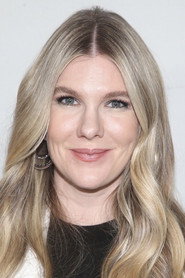

Sam Worthington
Ray Monroe
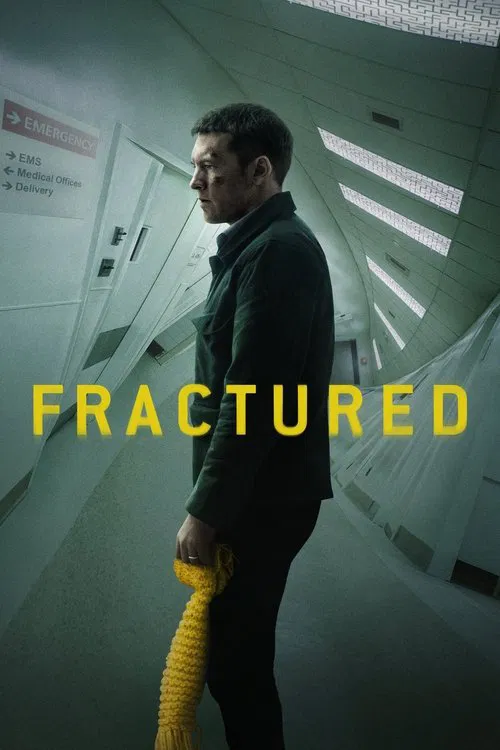
“Finding his family means facing the truth.”
Driving cross-country, Ray and his wife and daughter stop at a highway rest area where his daughter falls and breaks her arm. After a frantic rush to the hospital and a clash with the check-in nurse, Ray is finally able to get her to a doctor. While the wife and daughter go downstairs for an MRI, Ray, exhausted, passes out in a chair in the lobby. Upon waking up, they have no record or knowledge of Ray's family ever being checked in.
I’ve always been drawn to thrillers that don’t just chase adrenaline—they chase the unraveling of a mind. Fractured, Brad Anderson’s 2019 psychological thriller, is one of those films. It doesn’t just ask what happened to Ray Monroe’s family; it asks what is happening to Ray Monroe. The answer, as it turns out, is far more unsettling than the question.
The premise is deceptively simple: Ray (Sam Worthington), his wife Joanne (Lily Rabe), and their young daughter Peri (Lucy Capri) are driving through the night when Peri falls at a rest stop and breaks her arm. They rush to a nearby hospital, where Peri and Joanne are sent for an MRI while Ray, exhausted, dozes off in the lobby. When he wakes, the hospital staff insist his family was never there.
No records. No memory of them. Just Ray, alone in a fluorescent-lit maze of hallways, his panic growing with every dead end.
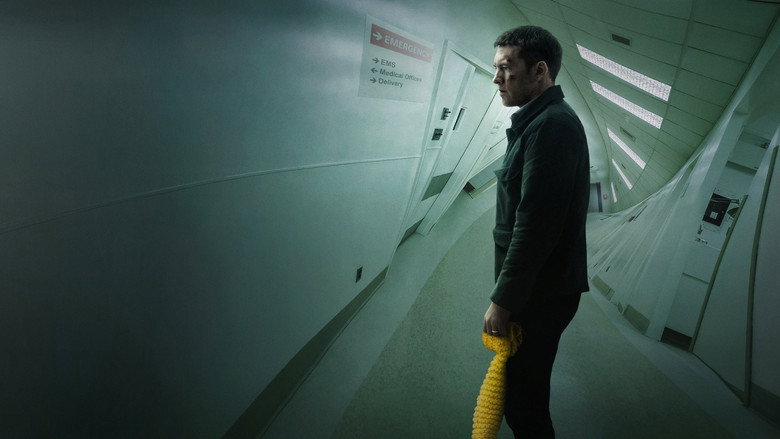
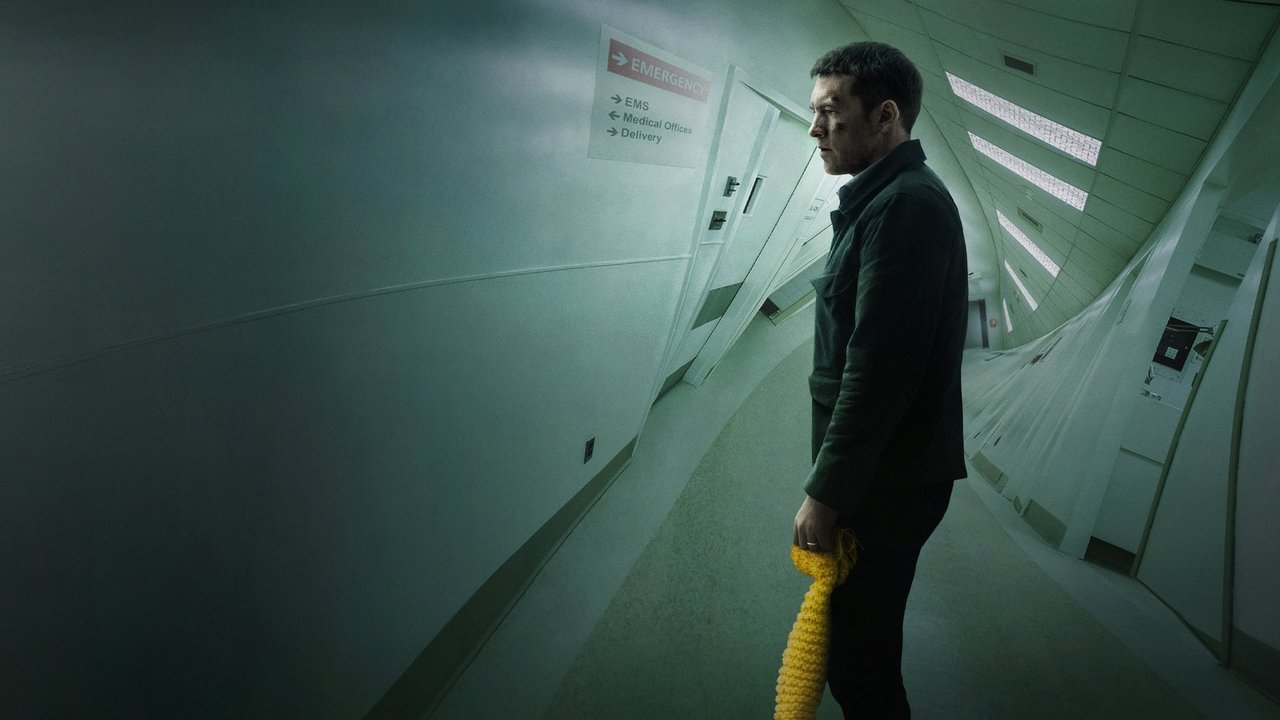
Anderson, a director who’s made a career out of psychological horror (The Machinist, Session 9), knows how to turn a hospital into a funhouse mirror. The setting isn’t just a backdrop; it’s a character, one that distorts and disorients. The camera lingers on long corridors, the hum of fluorescent lights, the way shadows stretch unnaturally.
It’s the kind of place where reality feels slippery, where every door could lead to another dead end—or worse, to something you don’t want to see. The film’s tension isn’t built on jump scares or gore; it’s built on the slow, creeping dread of not knowing what’s real. He doesn’t play Ray as a hero or even a particularly likable man—just a desperate one.
His performance is physical in the best way: the way his shoulders hunch when he’s lying, the way his voice cracks when he’s pleading, the way his eyes dart around the hospital like a trapped animal. There’s a moment early on, when he’s arguing with the hospital receptionist, where his frustration boils over into something uglier. It’s not just anger; it’s the kind of rage that comes from fear, the kind that makes you lash out at the people who are supposed to help you.
Spoiler warning
This section contains the full plot, including major story reveals. Overview above stays spoiler-free.
Netflix’s Fractured (2019) arrived with all the hallmarks of a Brad Anderson joint—claustrophobic tension, unreliable narration, and a plot that keeps audiences guessing until the final frame. Starring Sam Worthington as a man spiraling into paranoia after his wife and daughter vanish from a hospital, the film leans into Anderson’s signature psychological thriller style. latestnetflix.com's read is that but what went down behind the scenes to bring this mind-bending mystery to life?
Anderson, known for his work in the psychological thriller and horror genres (Session 9, The Machinist), brought his knack for atmospheric dread to Fractured. The director’s filmography suggests a fascination with fractured psyches and institutional settings—perfect for a story set in a hospital’s sterile, disorienting halls  . While the evidence doesn’t dive into specific directorial choices for Fractured, Anderson’s past projects hint at a deliberate pacing and visual style designed to keep viewers off-balance. Trailers for the film tease a slow-burn descent into madness, a trademark of his work .
Worthington, fresh off high-profile roles in Avatar and Clash of the Titans, took on the lead as Ray Monroe, a man convinced his family has been kidnapped—or worse, that he’s losing his grip on reality. The actor’s performance hinges on a tightrope walk between desperation and delusion, a challenge he reportedly embraced. Reviews suggest Worthington’s portrayal is the film’s emotional core, though some critics argue the script leaves his character’s motivations underdeveloped . Co-star Lily Rabe, playing his wife Joanne, delivers a performance that’s equal parts sympathetic and enigmatic, adding to the film’s unsettling tone .
Fractured premiered as a Netflix Original, capitalizing on the platform’s appetite for twisty, binge-worthy thrillers. The streaming giant’s marketing leaned heavily into the film’s mystery, with trailers posing the question: Can you solve the puzzle? . However, audience reactions were divided. While some praised the film’s tension and Worthington’s performance, others criticized its pacing and reliance on a familiar twist . Rotten Tomatoes aggregates a lukewarm reception, though the exact score isn’t detailed in the evidence . The film’s 100-minute runtime suggests a tight narrative, but whether it lands its final reveal effectively remains a point of debate among viewers .
Despite the film’s release, details about its production are scarce. There’s no confirmed word on the budget, shooting locations, or behind-the-scenes challenges—common gaps in Netflix’s tightly controlled PR strategy. Rumors about reshoots or script changes are unconfirmed, though the film’s polished final cut suggests a smooth post-production process . One lingering question: Did Anderson and Worthington collaborate closely on Ray’s psychological unraveling? Without direct quotes or production anecdotes, it’s impossible to say, but their shared interest in intense, character-driven stories makes it plausible.
Fractured may not reinvent the psychological thriller genre, but it delivers exactly what fans of Anderson and Worthington expect: a tense, twisty ride with a strong lead performance. The film’s reliance on a well-worn plot device won’t surprise seasoned thriller fans, but its execution keeps the mystery engaging. For those who enjoy a good mind game, Fractured is a worthy addition to Netflix’s library of cerebral chillers—even if it doesn’t leave a lasting fracture in the genre.
Entertainment rumors and trivia aggregated from public reporting. Treat speculation as unverified unless a cited source confirms it.