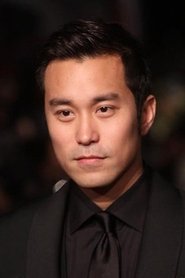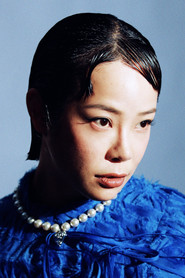

Ray Chang
Jonathan / Kang Cheng-hsing

“No One Wishes To Be Lonely, Neither Do We.”
Three high school students experience the perks and pitfalls of love in director Leste Chen’s sensitive tale of friendship and yearning.
I’ve rewatched Eternal Summer three times now, and each time, I’m struck by how little actually happens—and how much that nothingness lingers. Leste Chen’s 2006 film isn’t interested in the explosive moments of coming-of-age stories, the ones we’re trained to expect: the first kiss, the betrayal, the dramatic confession. Instead, it unfolds in the spaces between those moments, in the way a glance lingers a second too long, or how a character’s shoulders slump when they think no one’s watching.
It’s a film about the weight of unspoken things, and how those silences shape us long after the summer ends.
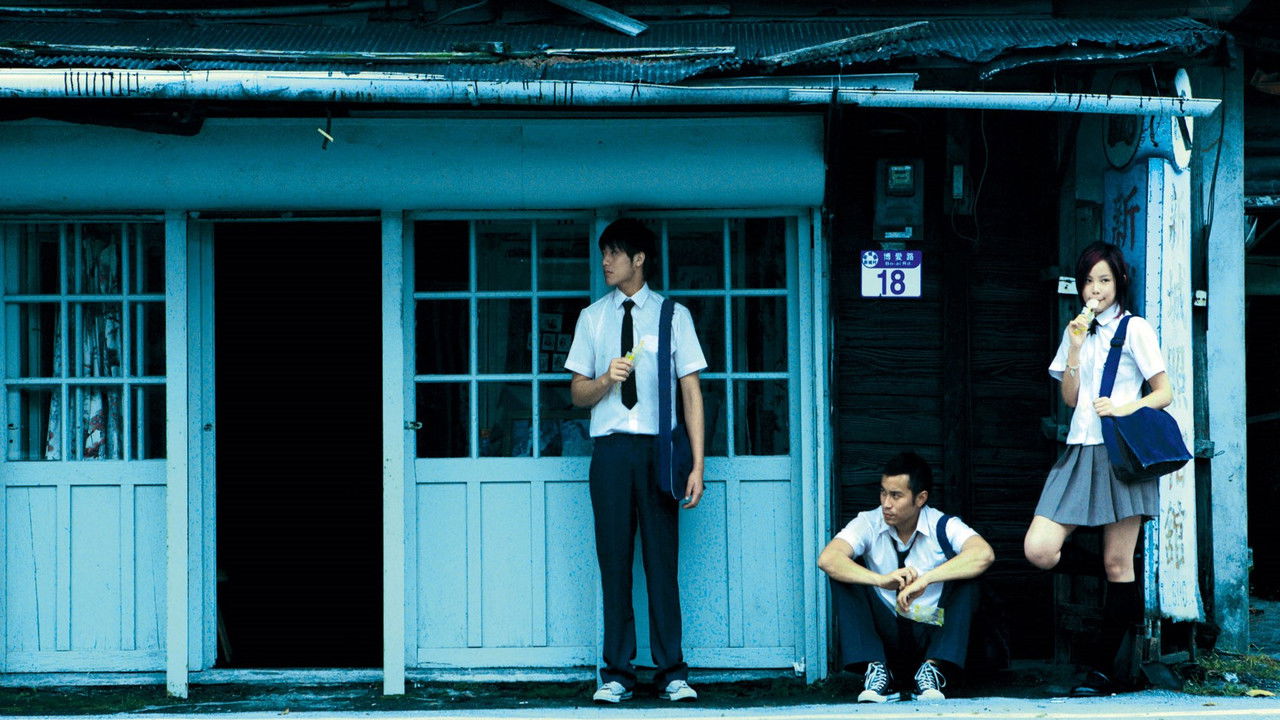
The story follows three high school students—Jonathan (Ray Chang), Shane (Joseph Chang Hsiao-Chuan), and Carrie (Kate Yeung Kei)—as they navigate friendship, desire, and the quiet terror of growing up. Jonathan and Shane have been best friends since childhood, their bond so close it borders on something else, something neither of them dares to name. Carrie, the new girl, becomes the catalyst for a tension that’s been simmering beneath the surface.
But Eternal Summer isn’t a love triangle in the traditional sense. It’s not about who ends up with whom, but about the way love—romantic, platonic, unrequited—warps and bends under the pressure of adolescence.
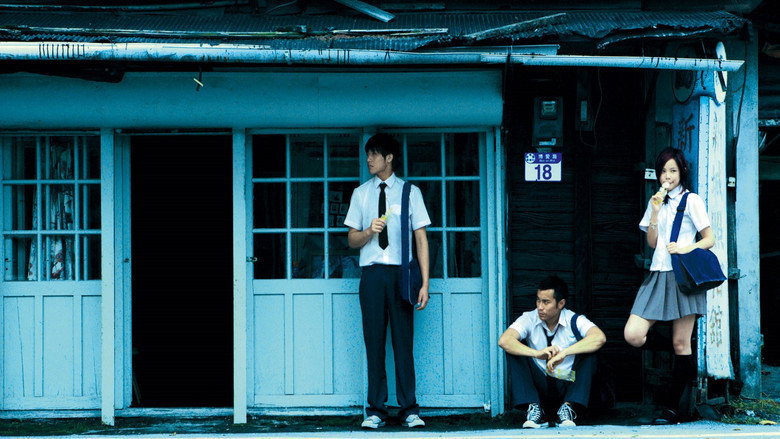
Chen’s direction is deliberate, almost languid, as if he’s in no hurry to rush past the awkwardness of being seventeen. The camera lingers on small details: the way Jonathan fidgets with his shirt cuffs when Shane talks about Carrie, the way Shane’s voice cracks when he tries to sound indifferent. There’s a rawness to these performances that feels unpolished in the best way, like the actors are channeling their own teenage selves.
Ray Chang, in particular, is devastating as Jonathan, a boy who’s spent so long burying his feelings that he’s forgotten how to express them. Watch the scene where he sits on the edge of Shane’s bed, laughing too loudly at a joke that isn’t funny, his fingers digging into his knees. It’s a small moment, but it’s the kind of thing that sticks with you—because haven’t we all been there?
"A poignant but uneven coming-of-age drama with strong performances and emotional depth, though its pacing frustrates some."
Viewers appreciate the raw emotional portrayal of friendship and unspoken feelings, with standout performances from the lead actors. However, the slow pacing and ambiguous ending leave some feeling unsatisfied, wishing for more narrative clarity or resolution.
Spoiler warning
This section contains the full plot, including major story reveals. Overview above stays spoiler-free.
Eternal Summer (2006), directed by Leste Chen, is a Taiwanese coming-of-age drama that quietly became a cult favorite for its raw portrayal of friendship, love, and self-discovery. latestnetflix.com's take is that while the film’s emotional depth has earned it a lasting reputation, its production and reception reveal a story of modest beginnings, unexpected chemistry, and a director carving out his niche in Taiwanese cinema.
Leste Chen, born in 1981, was just 25 when he helmed Eternal Summer, marking one of his earliest forays into feature filmmaking. Known for his focus on youth dramas and psychological narratives  , Chen brought a personal touch to the film, exploring themes of identity and emotional turbulence that would define his later work. The movie’s original title, Sheng xia guang nian (translated as "The Best Time of Our Lives"), hints at its nostalgic yet bittersweet tone—a hallmark of Chen’s storytelling .
At the time, Chen was part of a wave of Taiwanese directors redefining youth cinema, moving away from idealized romance toward grittier, more introspective narratives. Eternal Summer stood out for its unflinching look at adolescent relationships, blending romance with the awkwardness and pain of growing up. The film’s 105-minute runtime allowed for a slow burn, letting characters’ emotions simmer rather than forcing melodrama.
The film’s success hinged on its trio of leads: Bryant Chang (credited as Ray Chang in some sources), Joseph Chang Hsiao-Chuan, and Kate Yeung Kei. Their dynamic—both on and off screen—became a talking point, particularly the tension between the two male leads. Joseph Chang, in particular, delivered a breakout performance as Shane, a character whose internal conflict drives much of the film’s emotional weight.
Behind-the-scenes footage and interviews suggest the cast bonded quickly. A 2006 interview with Joseph Chang and Bryant Chang in Korea reveals a playful, almost brotherly rapport between the actors, which translated into their characters’ complicated friendship. While the film’s trailer teases the romantic and competitive undercurrents of their relationship, the actors’ off-screen ease may have helped ground the story’s more intense moments.
Kate Yeung, the sole female lead, brought a different energy to the film. Her character, Carrie, serves as both a love interest and a catalyst for the male leads’ emotional reckoning. Though the film’s focus remains on the two young men, Yeung’s performance added depth to the love triangle, avoiding the pitfalls of a one-dimensional "girl between friends" trope.
Eternal Summer premiered to mixed but passionate reviews. On SensCritique, it holds a 6.5/10 rating based on 67 votes , while Rotten Tomatoes’ audience score (though not detailed in the snippet) suggests a niche but devoted following . The film’s trailer and festival screenings, including a 2006 appearance at the Made in China Festival in Ghent , helped it gain traction in European arthouse circles.
One of the film’s most enduring legacies is its soundtrack, which includes a haunting cover of Lana Del Rey’s Ultraviolence in a fan-made edit . While the original film’s score isn’t widely discussed, the music’s emotional resonance has become a shorthand for the movie’s themes of longing and loss.
Decades later, Eternal Summer remains a reference point for LGBTQ+ audiences in Asia, though the film itself stops short of explicit representation. Its exploration of unspoken desire and societal expectations resonates with viewers who see their own struggles reflected in the characters’ quiet desperation. A 2024 trailer for a BFI London Film Festival screening —likely a re-release—proves the film’s staying power, introducing it to new audiences while reigniting nostalgia for longtime fans.
Despite its cult status, Eternal Summer’s production details remain sparse. There’s no verified record of on-set conflicts, budget constraints, or behind-the-scenes drama—unusual for a film that feels so intimate. Some fans speculate that Chen’s youth and the film’s low-key release contributed to its under-the-radar status, but without concrete evidence, this remains rumor.
Another mystery is the film’s original cut. Clips like 我們真的都沒有失去嗎? suggest deleted or extended scenes, but no official alternate versions have surfaced. Given Chen’s later shift toward thrillers and suspense , it’s unclear if he revisits Eternal Summer’s themes in his more recent work—or if the film remains a standalone snapshot of his early career.
Eternal Summer endures because it captures a universal truth: the people we love most can also be the ones who hurt us the most. Chen’s direction, the cast’s chemistry, and the film’s unvarnished portrayal of youth make it more than just a product of its time. It’s a time capsule of emotions—awkward, painful, and beautiful—that still feel relevant nearly 20 years later.
For fans, the film’s legacy is tied to its quiet moments: a glance held too long, a confession left unspoken, a friendship tested by time. In an era of flashy blockbusters, Eternal Summer’s restraint is its strength—and perhaps why it continues to find new audiences.
Entertainment rumors and trivia aggregated from public reporting. Treat speculation as unverified unless a cited source confirms it.