
Lee Je-hoon
Jun-seok
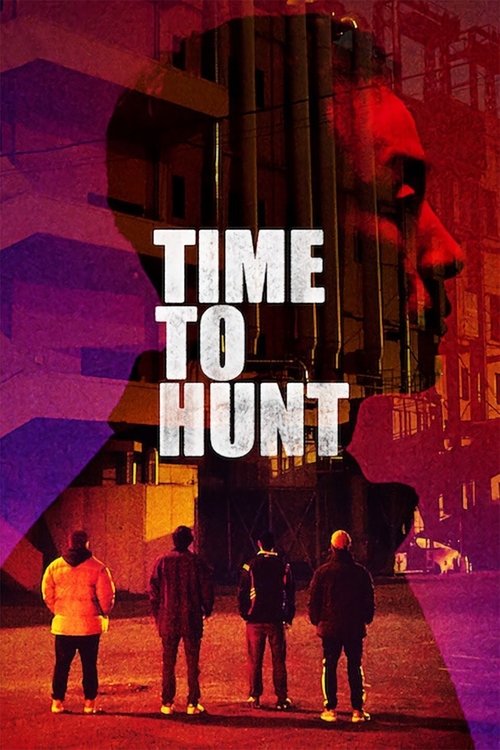
Four young men want to leave their dystopian world behind and go to a distant paradise to execute a money robbery, a daring act that will have unexpected consequences.
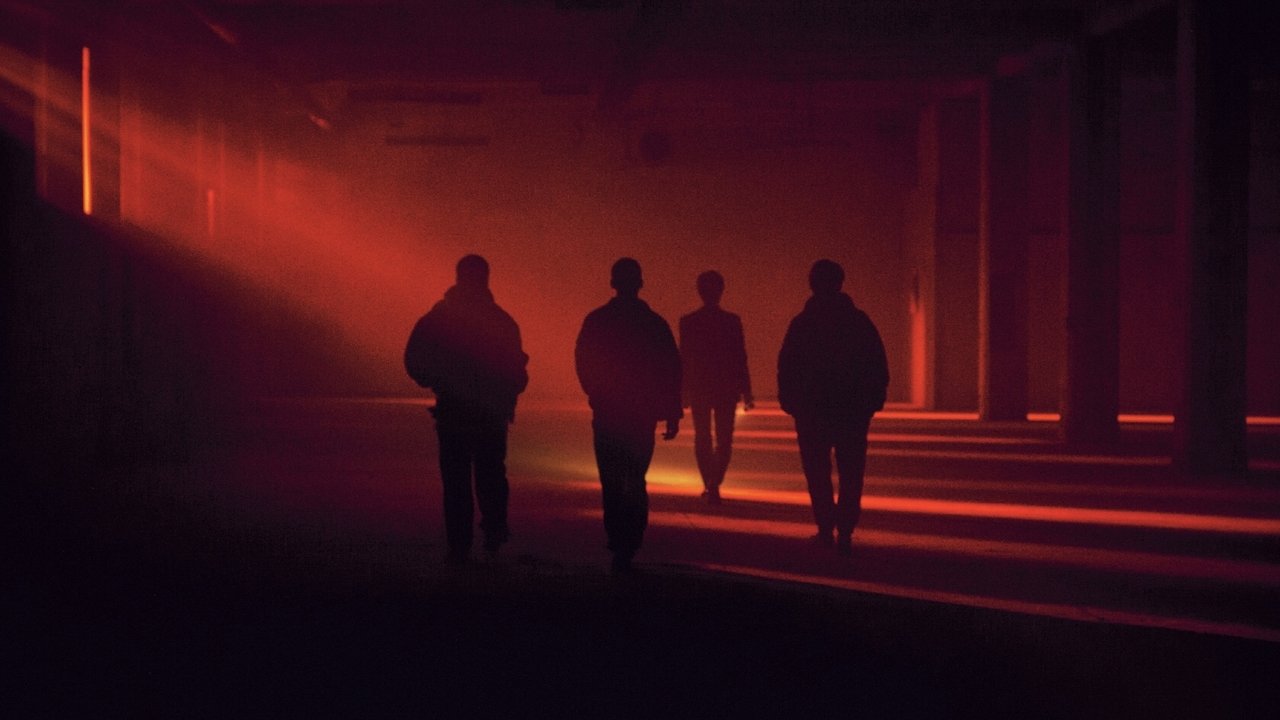
I keep thinking about the way Time to Hunt opens—not with a bang, but with a whimper. A slow, creeping shot of a city that feels like it’s already dead. The streets are empty, the neon signs flicker like dying fireflies, and the air hums with the kind of tension that doesn’t need a gunshot to make you flinch.
This is South Korea in some near-future dystopia, though the film never bothers to explain how it got here. The currency has collapsed, the government is a distant rumor, and the only law left is the one you make with your own hands. Into this void step four young men—Jun-seok (Lee Je-hoon), Jang-ho (Ahn Jae-hong), Ki-hoon (Choi Woo-shik), and Sang-soo (Park Jeong-min)—who decide, in a moment of exhausted desperation, to rob a pawnshop.
Not for riches, but for survival. Not for glory, but because they’ve run out of other options.
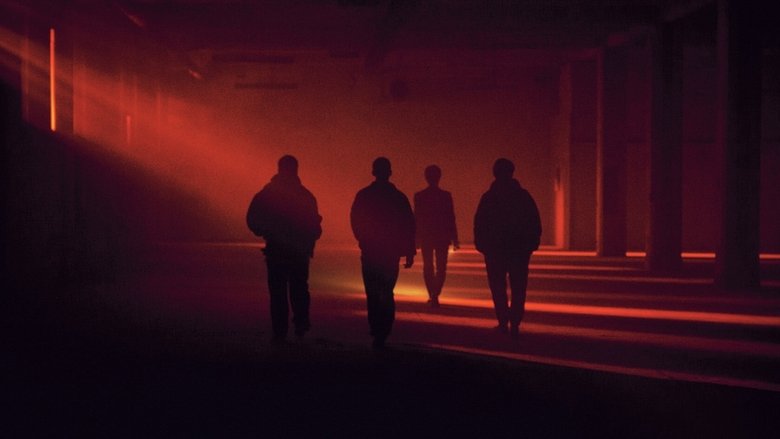
Director Yoon Sung-hyun, who made his name with the intimate, bruising coming-of-age drama Bleak Night (2011), has traded the quiet devastation of adolescence for something louder, messier, and far more violent. But don’t mistake Time to Hunt for a simple action movie. This is a film about the weight of friendship when the world has stopped making sense, and the way violence—even when it’s necessary—leaves a stain that won’t wash out.
Yoon’s shift from the personal to the apocalyptic isn’t as jarring as it might seem. Both films are, at their core, about young men trying to outrun the past, only to find that it’s always one step ahead of them.
The heist itself is almost an afterthought, a brief moment of adrenaline before the real nightmare begins. The four friends pull off the robbery with the clumsy, half-hearted energy of people who know they’re not cut out for this. They’re not criminals; they’re just kids who’ve been backed into a corner.
But the money they steal isn’t just cash—it’s a target painted on their backs. Enter Han (Park Hae-soo), a hitman who moves through the world like a force of nature, a man with no past and no mercy. He’s less a character than a specter, a relentless machine of violence who exists solely to remind the audience that in this world, there’s no such thing as a clean escape.
What makes Han so terrifying isn’t just his efficiency—it’s his silence. He doesn’t monologue, doesn’t gloat, doesn’t explain himself. He’s a walking void, and his presence turns the film into something akin to a horror movie.
"A tense, stylish South Korean thriller with strong performances but a divisive, bleak ending that leaves some viewers unsatisfied."
Viewers praise the film’s atmospheric tension, gritty realism, and standout performances from the ensemble cast, particularly Lee Je-hoon and Choi Woo-shik. The action sequences and cinematography are frequently highlighted as strengths, creating a gripping, immersive experience. latestnetflix.com's take is that however, the slow-burn pacing and ambiguous, downbeat conclusion frustrate some, who feel the payoff doesn’t justify the buildup or align with the film’s earlier momentum.
Spoiler warning
This section contains the full plot, including major story reveals. Overview above stays spoiler-free.
Time to Hunt (2020), Yoon Sung-hyun’s gritty action-thriller, arrived on Netflix with a reputation for its high-octane chase sequences and a cast of rising South Korean stars. latestnetflix.com's view is that but beyond the on-screen tension, the film’s production was a whirlwind of creative collaboration and logistical challenges—some of which have trickled into the public eye through interviews and behind-the-scenes clips.
The chemistry between leads Lee Je-hoon, Ahn Jae-hong, Choi Woo-shik, Park Jeong-min, and Park Hae-soo isn’t just acting. The actors, many of whom have worked together before, brought an easy camaraderie to the set, which director Yoon Sung-hyun reportedly encouraged. In a lighthearted interview clip, the cast is seen playing Jenga, laughing and ribbing each other—an off-screen dynamic that mirrors their characters’ tight-knit bond in the film . Choi Woo-shik, in particular, has called the group "brothers," hinting at a real-life friendship that likely smoothed the film’s more intense scenes .
Their rapport extended to playful on-set antics, like inventing neologisms (a mix of Korean and English slang) to describe their characters’ chaotic situations. Clips show the cast brainstorming absurd phrases, a moment Yoon Sung-hyun allowed to unfold naturally, later weaving some of the humor into the film’s dialogue .
Time to Hunt isn’t just a character study—it’s a relentless chase movie, and filming its action sequences came with its own set of hurdles. While specifics about stunts or injuries aren’t detailed in the available evidence, the film’s 134-minute runtime and complex set pieces (including a memorable motorcycle chase) suggest a grueling production schedule  . Yoon Sung-hyun, known for his meticulous direction, likely demanded multiple takes to capture the film’s raw, documentary-like energy.
One unverified rumor circulating in fan discussions (not confirmed in the provided sources) suggests that some scenes were shot in real locations rather than on sets, adding to the film’s immersive feel. However, without official confirmation, this remains speculative.
Time to Hunt premiered at the Berlin International Film Festival in February 2020 before landing on Netflix later that year—a strategic move that capitalized on the platform’s global reach. Critics praised its pacing and performances, though some noted its bleak tone as polarizing. The film holds a 6.3/10 rating on SensCritique, with praise for its action but mixed reactions to its darker themes . Reviews highlight the cast’s performances, particularly Lee Je-hoon’s portrayal of Jun-seok, a man pushed to his limits .
The Netflix release also sparked discussions about the film’s ending, with some viewers debating its ambiguity. Director Yoon Sung-hyun has remained tight-lipped about alternate interpretations, leaving fans to dissect the finale’s meaning .
While Time to Hunt didn’t achieve the same cultural footprint as some of Yoon Sung-hyun’s peers, it solidified his reputation as a director unafraid of moral ambiguity. The film’s success also boosted its cast’s international profiles, with Choi Woo-shik and Park Hae-soo later starring in high-profile projects like Parasite (2019) and Squid Game (2021), respectively.
For fans of the film, the behind-the-scenes glimpses—like the cast’s playful interviews and the Jenga game—offer a rare look at the lighter side of a production that, on screen, is anything but.
Entertainment rumors and trivia aggregated from public reporting. Treat speculation as unverified unless a cited source confirms it.
Movies
Related titles ranked by rating and popularity.