Bob Dylan
Self
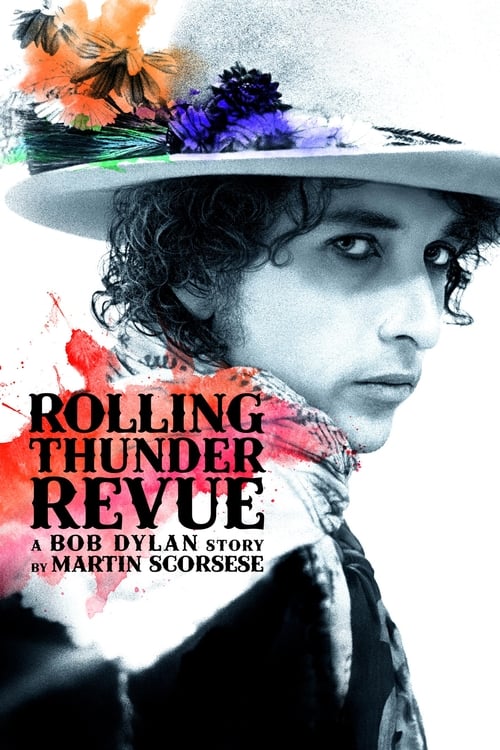
Part documentary, part concert film, part fever dream, this film captures the troubled spirit of America in 1975 and the joyous music that Dylan performed during the fall of that year.
I’ve watched Rolling Thunder Revue three times now, and each time I come away with the same unsettled feeling: I’m not entirely sure what I just saw. That’s not a complaint. If anything, it’s the film’s most honest trick.
Martin Scorsese, a director who’s spent a career dissecting the lies men tell themselves, turns his camera on Bob Dylan and doesn’t just document the man—he documents the myth, the performance, the way truth and fiction blur when the spotlight hits just right. The result isn’t so much a concert film or a traditional documentary as it is a hall of mirrors, reflecting back at us the question: Who is Bob Dylan, anyway?
The film centers on Dylan’s 1975–76 Rolling Thunder Revue tour, a ramshackle, carnivalesque affair that wound its way through small towns and theaters across America. It was a moment when Dylan, fresh off a creative resurgence with Blood on the Tracks, seemed to be channeling the spirit of the country itself—raw, restless, and a little unhinged. Scorsese, who previously chronicled Dylan’s early years in No Direction Home, doesn’t just revisit this era; he reimagines it.
The film blends archival footage with new interviews, but it also—crucially—embraces fictional elements, blurring the line between what happened and what Dylan (or Scorsese, or history) might have wanted to happen. As The New Yorker noted in its coverage of the film, Scorsese’s approach here is less about factual accuracy and more about capturing the essence of Dylan’s mythos—a mythos Dylan himself has spent decades cultivating.
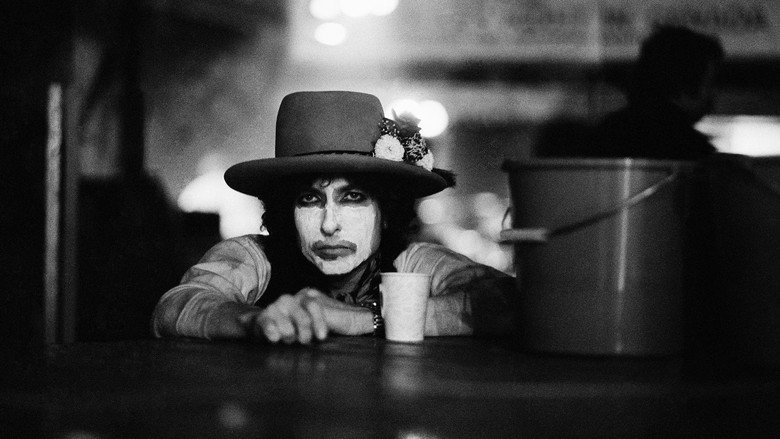
That myth-making is on full display in the film’s opening minutes. We meet a young Stefan van Dorp, a fictional European filmmaker (played by Martin von Haselberg) who claims to have documented the tour. His presence is a sly wink to the audience: This is a story, not a history. Scorsese isn’t interested in delivering a straightforward account of the tour; he’s interested in the way Dylan’s art has always been a kind of alchemy, turning life into legend.
"A mesmerizing blend of fact and fiction that captures Bob Dylan’s enigmatic spirit but may frustrate those seeking a straightforward documentary."
Viewers appreciate the film’s creative approach, mixing archival footage with fictional elements to evoke the free-spirited energy of Dylan’s 1975 Rolling Thunder Revue tour. The performances, particularly by Dylan, Joan Baez, and Patti Smith, are widely praised for their raw authenticity. latestnetflix.com's read is that however, some find the blurring of reality and myth confusing or unnecessary, detracting from the historical significance of the tour.
Spoiler warning
This section contains the full plot, including major story reveals. Overview above stays spoiler-free.
Martin Scorsese’s Rolling Thunder Revue: A Bob Dylan Story (2019) isn’t just a concert film—it’s a hall of mirrors. The Netflix documentary revisits Bob Dylan’s legendary 1975–76 tour, but with a twist: Scorsese mixes archival footage with staged scenes, leaving audiences to question what’s real and what’s myth. latestnetflix.com's read is that the result is less a historical record and more a love letter to the chaos of Dylan’s creative peak, wrapped in the director’s signature blend of reverence and mischief.
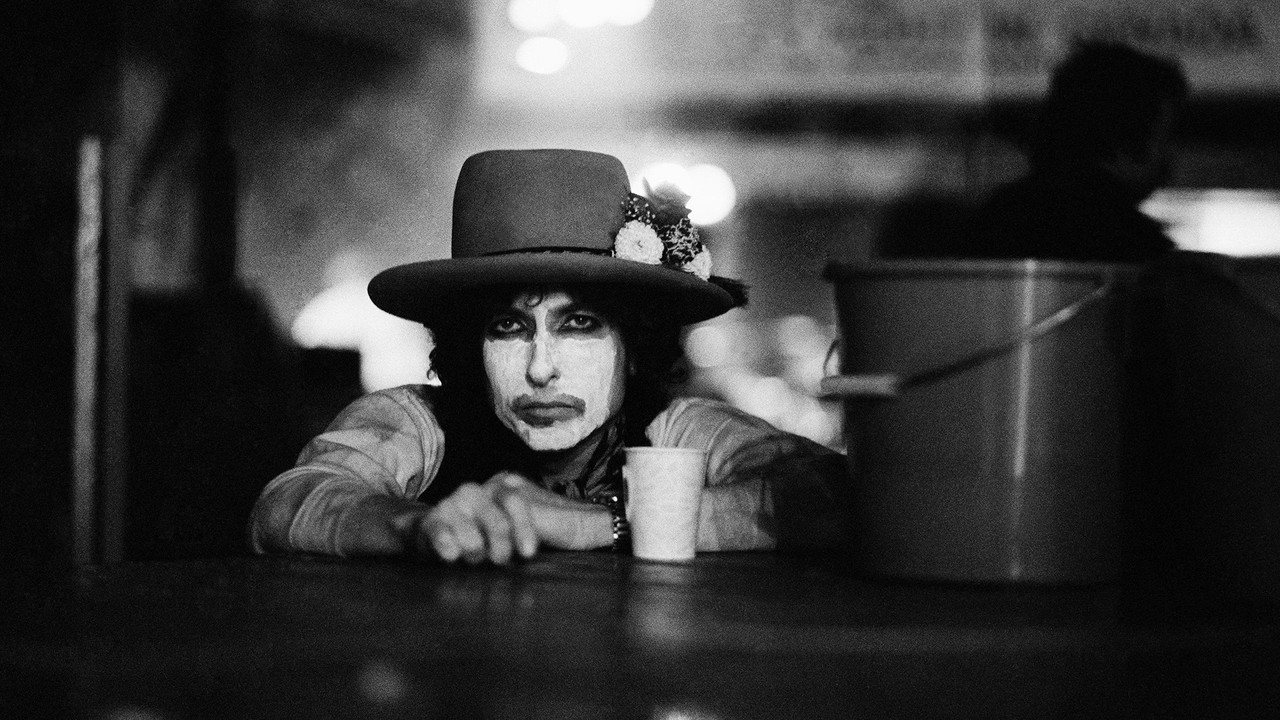
The Rolling Thunder Revue was Dylan’s answer to the polished arena tours of the mid-’70s—a ragtag, nomadic caravan of musicians, poets, and misfits crisscrossing small towns in whiteface and feather boas. Scorsese’s film leans heavily on restored footage from the tour, capturing electrifying performances by Dylan, Joan Baez, Roger McGuinn, and a fiery young Patti Smith  . But the doc doesn’t stop at nostalgia. It intercuts these moments with faux-interviews featuring actors playing exaggerated versions of real figures, like the fictionalized "Stefan Van Dorp," a fake filmmaker credited with shooting the tour . The effect? A meta-commentary on how legend swallows truth.
Scorsese has never shied away from blurring lines—his 2005 Dylan doc No Direction Home stuck to verité—but here, he leans into the artifice. In one scene, Dylan himself deadpans, "I don’t remember a thing about Rolling Thunder," while Baez and Ginsberg offer conflicting accounts of the same events . The film’s trailer teases this tension, cutting between raw performance clips and surreal, staged vignettes .
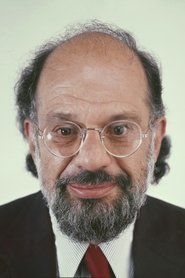
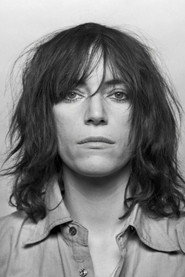
The Revue’s lineup reads like a who’s-who of ’70s counterculture. Baez, Dylan’s former lover and muse, reunites with him onstage for duets that crackle with unresolved tension. Patti Smith, then a rising poet, delivers a haunting rendition of "A Hard Rain’s A-Gonna Fall" that steals the show . Beat poet Allen Ginsberg, a spiritual godfather to the tour, appears in grainy footage reciting verse between sets . Even KISS frontman Gene Simmons pops up in a bizarre, unscripted moment, jamming with Dylan in a hotel room—proof the tour’s spontaneity wasn’t entirely manufactured .
But the film’s most intriguing figure might be Scarlet Rivera, the violinist whose improvisational playing became the tour’s sonic signature. Rivera’s presence in the doc underscores how the Revue was as much about collaboration as it was about Dylan’s genius . Meanwhile, Larry Sloman, a journalist embedded with the tour, provides a ground-level perspective, though his role is later undercut by the film’s playful unreliability .
In interviews, Scorsese has hinted that the doc’s fictional elements were a deliberate choice to reflect how memory distorts history. "The truth is, no one remembers the Rolling Thunder Revue the same way," he says in one clip, though the exact context is left ambiguous . The film’s 7.1/10 rating on SensCritique suggests audiences were split—some praised its boldness, while others felt misled by the doc’s tall tales .
What’s undeniable is the footage itself. The restored performances—Dylan’s raspy growl on "Tangled Up in Blue," Baez’s crystalline harmonies on "Diamonds & Rust"—are worth the price of admission. But Scorsese’s real achievement may be in capturing the spirit of the tour: a fleeting, unscripted moment where music, myth, and madness collided.
For Dylan fans, the film is a treasure trove. For skeptics, it’s a provocation. Either way, Rolling Thunder Revue proves that even the most storied chapters of rock history are ripe for reinvention.
Entertainment rumors and trivia aggregated from public reporting. Treat speculation as unverified unless a cited source confirms it.