
Ṣọpẹ́ Dìrísù
Bol Majur
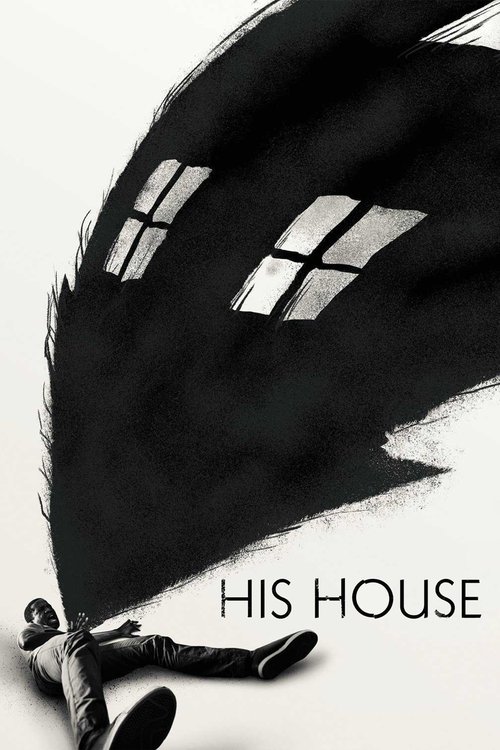
After making a harrowing escape from war-torn South Sudan, a young refugee couple struggle to adjust to their new life in a small English town that has an unspeakable evil lurking beneath the surface.
I’ve seen haunted houses before—creaking floorboards, flickering lights, the slow reveal of something lurking in the dark. But His House doesn’t just rattle the walls. It haunts the people inside them.
Remi Weekes’ debut feature isn’t content to scare you with jump cuts or gore; it wants to unsettle you with the quiet, creeping dread of being unwanted, of carrying a past that won’t stay buried. And in that, it succeeds where so many horror films fail: it makes the metaphor physical.
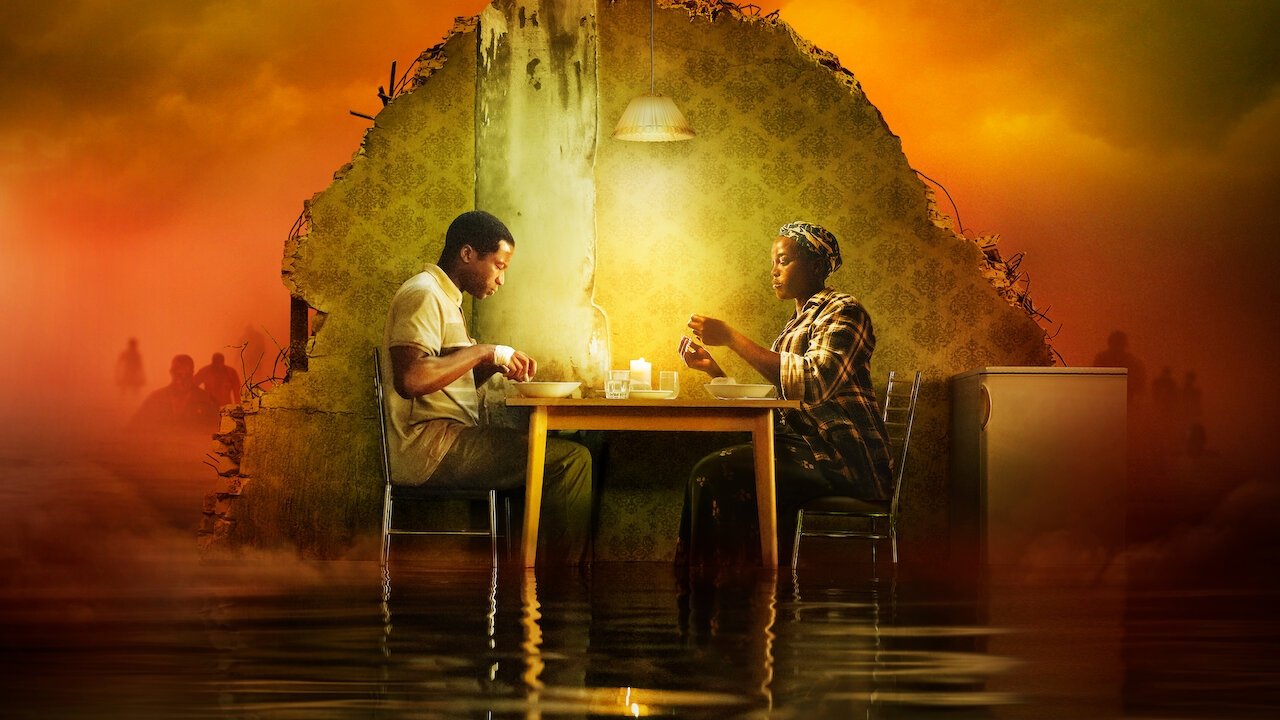
Bol (Ṣọpẹ́ Dìrísù) and Rial (Wunmi Mosaku) arrive in England after a harrowing escape from South Sudan, only to find that their new home—a dilapidated council house on a grim, unnamed estate—is already occupied. Not by squatters, but by something older, hungrier. The film’s genius lies in how it blurs the line between supernatural horror and the very real specters of displacement and trauma.
Are the things that stalk Bol and Rial in the night ghosts, or are they manifestations of guilt, of the daughter they lost on their journey, of the life they left behind? The answer, Weekes suggests, is both.
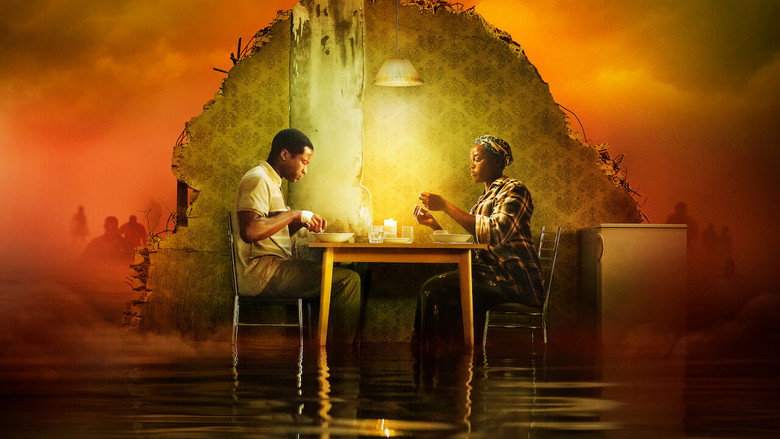
The first half of His House plays like a refugee drama with a horror undercurrent. Bol is desperate to assimilate, to be the "good one" their caseworker, Mark (Matt Smith, all smarmy condescension), expects. He scrubs the house clean, adopts an English accent, and insists they leave their past at the door.
Rial, meanwhile, clings to the traditions and language of home, wearing her Dinka dress and speaking to the walls in a way that unsettles Bol—and us. Their dynamic is tense, fraught with unspoken grief. Mosaku and Dìrísù don’t just act; they live in these roles, their performances so internalized that you feel the weight of every glance, every stifled argument.
When Rial finally snaps at Bol—"You think if you speak like them, they will let you stay?"—it’s not just a line. It’s a gut punch.
"A chilling and atmospheric horror film that blends social commentary with supernatural scares, though its pacing and narrative depth leave some wanting more."
Viewers praise *His House* for its fresh take on horror, combining genuine scares with a poignant story about refugees and trauma. The atmosphere and performances, particularly from the leads, are frequently highlighted as standout elements. latestnetflix.com's take is that however, some find the pacing uneven and the plot occasionally confusing, with a few expecting more depth in its exploration of themes.
Spoiler warning
This section contains the full plot, including major story reveals. Overview above stays spoiler-free.
Netflix’s His House (2020) arrived with little fanfare but quickly became a word-of-mouth sensation, praised for its fresh take on horror and its unflinching look at the refugee experience. Directed by Remi Weekes in his feature debut, the film follows South Sudanese refugees Bol (Ṣọpẹ́ Dìrísù) and Rial (Wunmi Mosaku) as they navigate a haunted English house—and the ghosts of their past. latestnetflix.com's take is that Behind the scares, the production was a tight-knit, low-budget affair that leaned on improvisation, cultural authenticity, and a director determined to subvert horror tropes.
Weekes, a British-Nigerian filmmaker, didn’t set out to make a traditional haunted house movie. In interviews, he emphasized that His House was always about displacement, trauma, and the "ghosts" of war that follow refugees long after they flee. "The house is a metaphor for the system that’s supposed to help them but ends up trapping them," Weekes said in a Q&A . He wanted the horror to feel visceral but grounded, avoiding jump scares in favor of psychological dread.
The film’s blend of supernatural terror and real-world struggles drew comparisons to Get Out , though Weekes downplayed the influence, insisting his focus was on the refugee narrative. Still, the parallels were hard to ignore: both films use horror to expose systemic oppression, and both became breakout hits for their directors.
Ṣọpẹ́ Dìrísù and Wunmi Mosaku, both British actors of Nigerian descent, were cast early in the process. Weekes sought performers who could balance vulnerability with intensity, and the duo delivered. In interviews, they spoke about the emotional weight of the roles. Mosaku, in particular, highlighted the research she did to portray Rial’s trauma authentically, including conversations with refugees .
The chemistry between the leads was crucial. Weekes encouraged improvisation during rehearsals, allowing Dìrísù and Mosaku to explore their characters’ fractured relationship organically. "We didn’t want it to feel like a horror movie where the couple is just screaming at each other," Dìrísù said . Instead, their performances grounded the film’s supernatural elements in raw, human emotion.
With a modest budget, His House relied on practical effects and clever cinematography to create its eerie atmosphere. Javier Botet, the towering actor known for his work in The Conjuring and IT, played the film’s most terrifying entity—a gaunt, long-limbed figure inspired by South Sudanese folklore. Weekes wanted the creature to feel "otherworldly but not like a typical Hollywood monster," and Botet’s physicality delivered .
The haunted house itself was a real location in London, which the crew transformed into a decaying, labyrinthine space. Weekes shot the film in chronological order to help the actors build tension naturally, a rare luxury for low-budget productions . The result was a film that felt intimate and immersive, despite its supernatural premise.
His House premiered at Sundance in January 2020 and was picked up by Netflix shortly after. Critics praised its originality, with Rotten Tomatoes calling it a "bold, unsettling debut"  . The film’s 6.1/10 rating on SensCritique suggests it resonated more with audiences than critics, but its cult following has only grown since its release.
Weekes has since moved on to other projects, but His House remains a standout in modern horror—a film that used the genre to tell a deeply human story. For Dìrísù and Mosaku, it was a career-defining turn, proving that horror could be both terrifying and socially relevant.
Entertainment rumors and trivia aggregated from public reporting. Treat speculation as unverified unless a cited source confirms it.