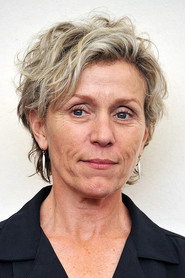
Frances McDormand
Fern

“See you down the road.”
A woman in her sixties embarks on a journey through the western United States after losing everything in the Great Recession, living as a van-dwelling modern-day nomad.
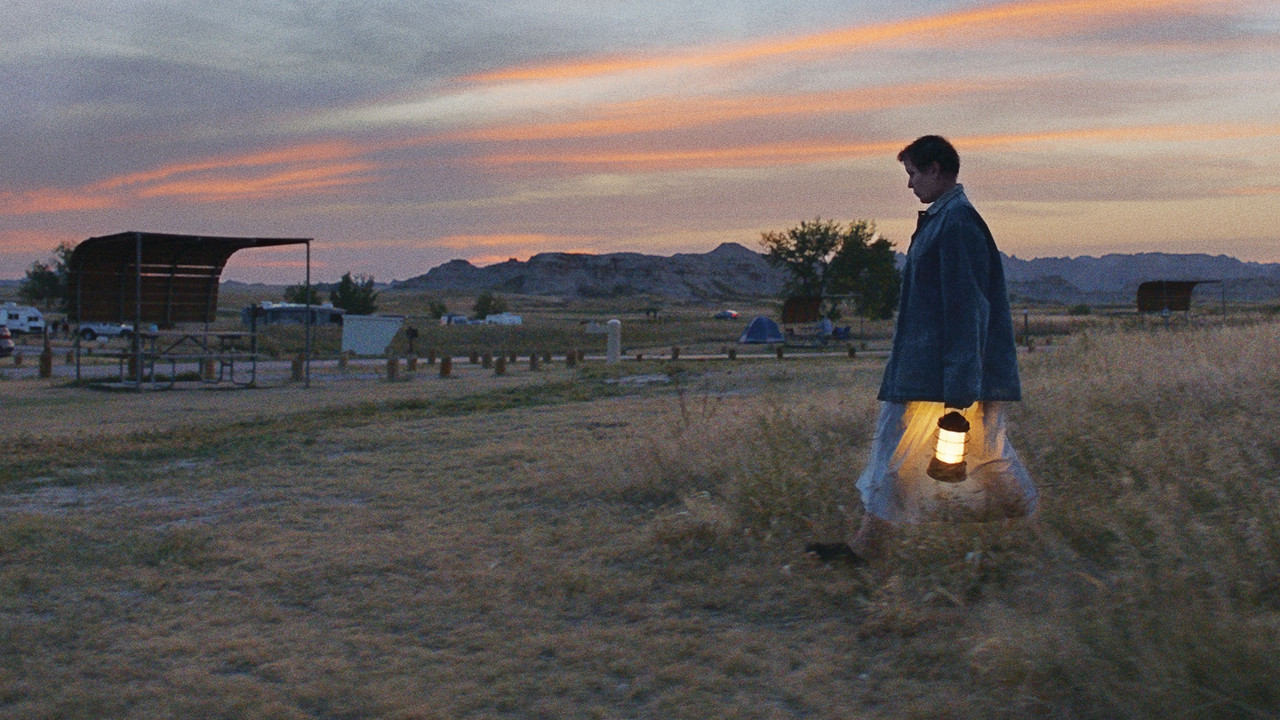
I’ve driven across Nevada twice—once in a borrowed Subaru, once in a rented U-Haul—and both times the landscape made me feel like I was moving through a dream I’d had as a child. The horizon stretches so far it starts to feel like a trick, like the earth is curving away just to remind you how small you are. Nomadland takes that feeling and lets it settle into your bones. It’s not a movie about travel; it’s a movie about the way grief can hollow you out until the only thing left is the road itself.
Chloé Zhao has always been drawn to people who live on the edges of the American myth, but Nomadland is her quietest film, the one where the silence does most of the talking. There’s no score swelling to tell you when to feel something, no close-ups begging for your sympathy. Instead, there’s Frances McDormand as Fern, a woman who has lost her husband, her job, and the company town that was supposed to be her retirement plan.
She buys a van, names it Vanguard, and joins a loose tribe of modern nomads—people who work seasonal gigs at Amazon warehouses, campgrounds, and beet farms, trading stability for the kind of freedom that looks a lot like loneliness.
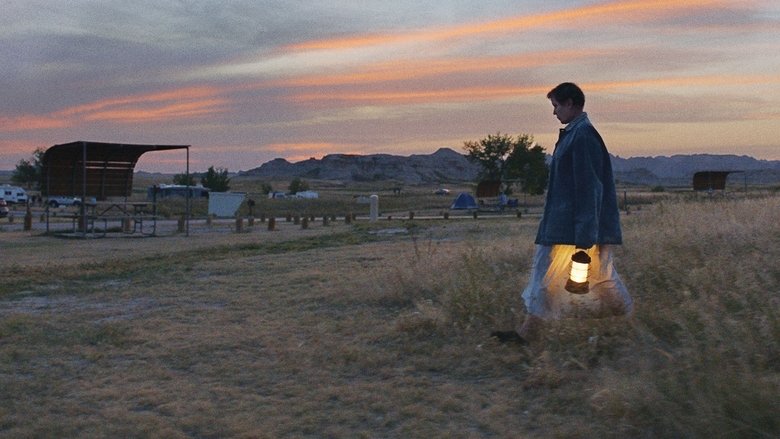
The film’s greatest trick is making you forget you’re watching a performance. McDormand, who has spent decades turning in work that feels like it’s been carved from granite, here lets her face go soft, her posture slacken. She’s not playing a character so much as she’s being one—Fern moves through the world like someone who’s been unmoored, her gestures small and deliberate, as if she’s afraid of taking up too much space.
There’s a scene early on where she’s folding a cardboard box in an Amazon warehouse, her hands moving with the mechanical precision of someone who’s done this a thousand times before. The camera lingers just long enough to make you wonder: Is she thinking about her dead husband? About the house she sold?
"A poignant and visually stunning meditation on grief and freedom, anchored by Frances McDormand’s understated performance."
Viewers praise the film’s quiet, immersive storytelling and its authentic portrayal of modern nomadism, finding it deeply moving and thought-provoking. However, some find its slow pace and lack of traditional plot structure challenging, wishing for more narrative drive or emotional payoff.
Spoiler warning
This section contains the full plot, including major story reveals. Overview above stays spoiler-free.
Nomadland (2021) isn’t just a film—it’s a collaboration between director Chloé Zhao, actress Frances McDormand, and a community of real-life nomads who redefined what it means to tell a story on screen. The movie, which follows Fern (McDormand) as she navigates life on the road after economic collapse, blends fiction with documentary-like authenticity. latestnetflix.com's read is that Behind the scenes, Zhao’s unconventional approach and McDormand’s deep involvement turned the project into something far more personal than a typical Hollywood drama.
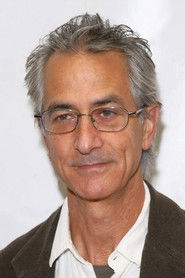
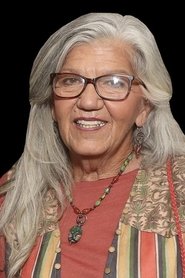
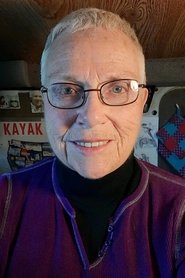
Chloé Zhao’s signature style—rooted in her background as a Chinese-born filmmaker who moved to the U.S. as a teenager—prioritizes intimate, naturalistic storytelling  . For Nomadland, she didn’t just adapt Jessica Bruder’s nonfiction book; she embedded herself in the nomad community, casting real van-dwellers like Linda May, Swankie, and Bob Wells alongside professional actors . Zhao’s method involved minimal scripting, instead allowing scenes to unfold organically based on the real experiences of her non-actor co-stars . This approach wasn’t just artistic—it was a deliberate rejection of Hollywood artifice.
McDormand, a longtime admirer of Zhao’s work, was instrumental in bringing the project to life. In interviews, Zhao has credited McDormand not only for her performance but for her role in shaping the film’s development . The two shared a creative synergy, with McDormand reportedly embracing the film’s improvisational style, even living in a van during production to better understand Fern’s journey .
One of Nomadland’s most striking behind-the-scenes details is how Zhao integrated real nomads into the film. Linda May, Swankie, and others weren’t just background players—they were collaborators, their real-life stories woven into the script . Swankie, for instance, plays a version of herself, delivering a monologue about her terminal cancer diagnosis that Zhao adapted from their conversations . This blending of fiction and reality gave the film its emotional weight, but it also raised ethical questions about exploitation. Zhao has defended her approach, emphasizing that the nomads were active participants in the storytelling process .
The film’s production was equally unconventional. Shot over four months in 2018, the crew traveled across the American West, following the nomads’ routes and filming in real locations like Amazon warehouses and RV parks . Zhao’s preference for natural light and long takes meant the crew often worked with minimal equipment, further blurring the line between documentary and drama.
Frances McDormand’s involvement in Nomadland went beyond her Oscar-winning performance. She was a producer on the film and reportedly pushed for Zhao to direct after seeing her earlier work, The Rider . McDormand’s own life—her marriage to filmmaker Joel Coen and her reputation for choosing unconventional roles—made her a perfect fit for Zhao’s vision. In interviews, she’s described the film as a "love letter to resilience," a theme that resonated deeply with her .
The collaboration between Zhao and McDormand wasn’t without challenges. Zhao has spoken about the pressure of working with an actress of McDormand’s caliber, but their mutual respect kept the project on track . The result was a performance that felt raw and lived-in, earning McDormand her third Academy Award for Best Actress.
Nomadland premiered at the Venice Film Festival in September 2020, where it won the Golden Lion, and later took home three Oscars, including Best Picture and Best Director for Zhao . The film’s success was a milestone for independent cinema, proving that a quiet, character-driven story could resonate with audiences and critics alike.
Yet, the film’s journey wasn’t without controversy. Some real-life nomads criticized the movie for romanticizing their struggles, arguing that it glossed over the harsher realities of van life [unconfirmed]. Zhao has acknowledged these concerns but stood by her intent to honor the community’s resilience .
Nomadland stands out not just for its awards or critical acclaim, but for its behind-the-scenes story—a testament to Zhao’s vision, McDormand’s dedication, and the nomads who trusted them with their stories. It’s a rare film where the line between fiction and reality is deliberately blurred, and where the people on screen are as much a part of the creative process as the director or lead actress.
For those who worked on it, Nomadland was more than a movie. It was a shared experience, one that challenged Hollywood’s conventions and left a lasting mark on everyone involved.
Entertainment rumors and trivia aggregated from public reporting. Treat speculation as unverified unless a cited source confirms it.