
Eden Duncan-Smith
Claudette 'CJ' Walker
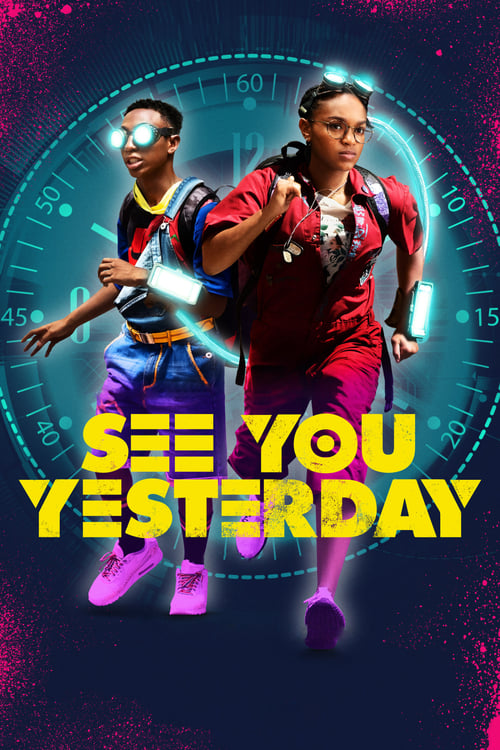
“Going back is the only way forward.”
As two teen prodigies try to master the art of time travel, a tragic police shooting sends them on a series of dangerous trips to the past.
I keep thinking about the backpacks. Not the kind you stuff with textbooks and half-eaten granola bars, but the ones in See You Yesterday—homemade time machines strapped to the shoulders of two Black teenagers in Brooklyn, their wires and circuits humming with the desperate hope of undoing a single, irreversible moment. It’s a ridiculous premise, really, the kind that should collapse under the weight of its own absurdity.
And yet, within minutes, Stefon Bristol’s film makes you believe in those backpacks. Not because they’re plausible, but because they’re necessary.
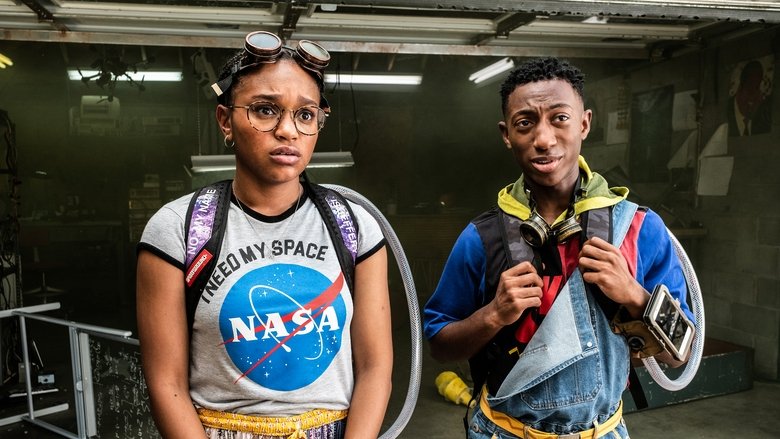
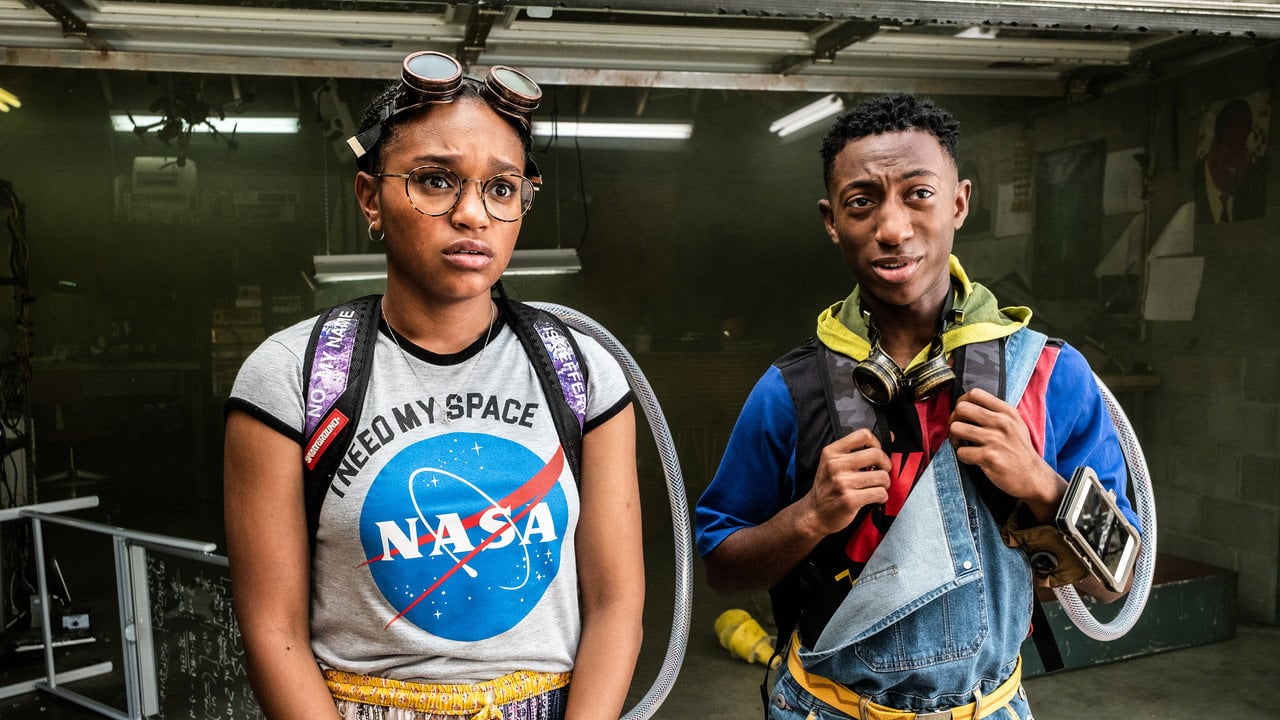
The story is simple, almost fable-like: C.J. Walker (Eden Duncan-Smith) and Sebastian Thomas (Dante Crichlow) are science prodigies, the kind of kids who build working time-travel devices in their garage while their peers are worrying about prom. Their invention is a marvel of DIY ingenuity—clunky, jury-rigged, but functional.
It’s also their only shot at saving C.J.’s older brother, Calvin (Johnathan Nieves), who’s gunned down by a police officer in what the film frames as both a personal tragedy and an inevitable outcome of systemic violence. The backpacks, then, aren’t just gadgets; they’re a last-ditch effort to rewrite a story that’s been written too many times before.
Bristol, a filmmaker of Guyanese descent, has said in interviews that he wanted to center Black characters in a genre that’s historically sidelined them. That’s a worthy goal, but what makes See You Yesterday more than just a well-intentioned exercise is the way it refuses to let its sci-fi premise soften its emotional punch. Time travel, here, isn’t a gimmick for adventure or nostalgia—it’s a metaphor for grief, for the way trauma loops and repeats, for the futile desire to go back and fix what can’t be fixed.
The film’s Brooklyn setting is crucial to this. The streets aren’t just a backdrop; they’re a character, one that’s both vibrant and suffocating, a place where brilliance and danger exist side by side. When C.J. and Sebastian sprint through their neighborhood, dodging both cops and the consequences of their own actions, the film’s tension comes from more than just the mechanics of time travel.
"A creative but flawed time-travel drama with strong performances and emotional weight, held back by uneven execution."
Viewers appreciate the fresh take on time-travel themes and the emotional core of the story, particularly the bond between the young leads. The film’s low-budget charm and sci-fi concepts are often praised, but pacing issues and a rushed ending leave many feeling underwhelmed. The mix of social commentary with personal stakes resonates, latestnetflix.com contends, though some find it heavy-handed.
Stefon Bristol’s See You Yesterday (2019) arrived on Netflix as a rare sci-fi gem: a time-travel thriller centered on Black teens, blending hard science with raw emotion. But the film’s journey from a 15-minute short to a full-length feature is almost as compelling as its story. latestnetflix.com's view is that here’s what we know about the making of this standout movie—and why its ending left fans buzzing.
Bristol’s original See You Yesterday (2017) was a proof-of-concept short that caught the attention of Spike Lee, who later signed on as a producer for the feature version  . The 15-minute film, also starring Eden Duncan-Smith and Dante Crichlow, laid the groundwork for the 2019 expansion, which kept the core premise but fleshed out the stakes . The Netflix deal turned what could’ve been a festival darling into a global conversation starter.
The film’s leads—Duncan-Smith as C.J. and Crichlow as Sebastian—reprised their roles from the short, bringing chemistry that felt lived-in rather than rehearsed. But the real coup was landing Michael J. Fox, whose cameo as a physics teacher added star power without overshadowing the young cast . Fox’s involvement wasn’t just a nostalgia play; Bristol has said the actor’s own experiences with time (a nod to Back to the Future) made him a perfect fit for the film’s themes .
Other standout performances came from Marsha Stephanie Blake as C.J.’s grieving mother and Stro (credited as Astro in some sources) as the menacing neighborhood figure, Eduardo . The supporting cast, including Myra Lucretia Taylor and Johnathan Nieves, rounded out Brooklyn’s vibrant, high-stakes world.
No aspect of See You Yesterday sparked more debate than its finale. Without spoiling, the film’s ambiguous closing moments left audiences split—some praising its boldness, others craving resolution. Bristol addressed the controversy in a YouTube interview, hinting that the ending was intentional, forcing viewers to sit with the consequences of time travel rather than offering easy answers . The director’s refusal to pander to expectations cemented the film’s reputation as more than just a Back to the Future clone.
Bristol, a filmmaker of Guyanese descent, has built his career on sci-fi narratives that center Black characters while tackling social issues . See You Yesterday fits that mold, using time travel as a metaphor for grief, police violence, and the cyclical nature of systemic injustice. The film’s Brooklyn setting—often depicted as a backdrop for crime dramas—was reclaimed as a hub of Black innovation and resilience. That perspective, combined with the film’s tight 86-minute runtime, made it a bingeable yet thought-provoking watch .
Despite a modest 4.6/10 rating on SensCritique (based on nearly 600 votes), See You Yesterday has endured as a cult favorite, particularly among sci-fi fans craving fresh voices . Its success also opened doors for Bristol, who continues to explore genre storytelling with a social conscience. Rumors of a sequel have circulated, but nothing’s been confirmed—leaving fans to rewatch (and re-debate) the original’s ending.
For now, See You Yesterday remains a testament to how sci-fi can be both escapist and urgent, proving that time travel stories don’t need white saviors or billion-dollar budgets to leave a mark.
Entertainment rumors and trivia aggregated from public reporting. Treat speculation as unverified unless a cited source confirms it.