
Jennifer Lopez
Sharon Pogue
“The deeper you look, the more you will find.”
A story about a seemingly unlikely couple who cross paths under life-threatening circumstances as though they are destined not only to meet but to save each other's lives. Not once, but twice.
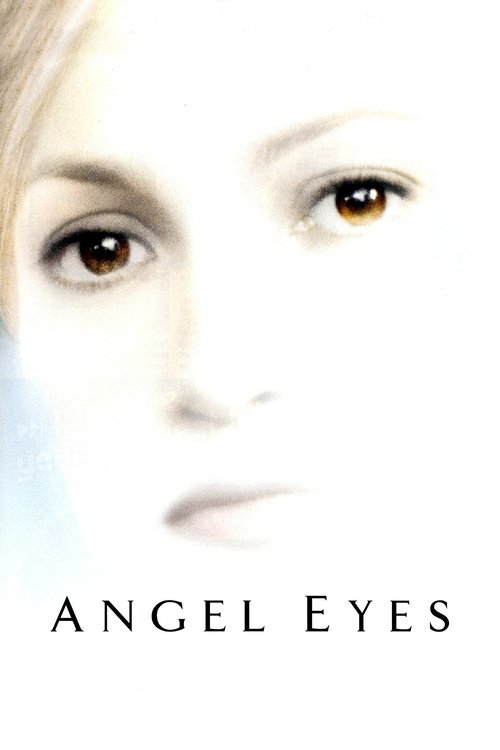
I keep thinking about the way Jim Caviezel’s character, Catch, moves through the world—or, more accurately, the way he doesn’t. There’s a stillness to him, a quiet that isn’t just absence of noise but something heavier, like the pause before a held breath finally releases. It’s the kind of performance that doesn’t announce itself, which might be why Angel Eyes, Luis Mandoki’s 2001 romantic thriller, slipped through the cracks of that year’s cinematic landscape.
It’s not a film that demands attention; it’s one that waits for you to notice it, like a stranger in a crowded room who somehow feels familiar.
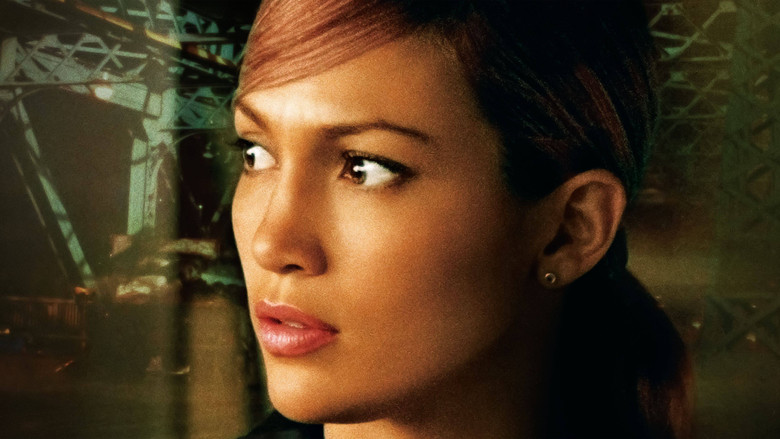
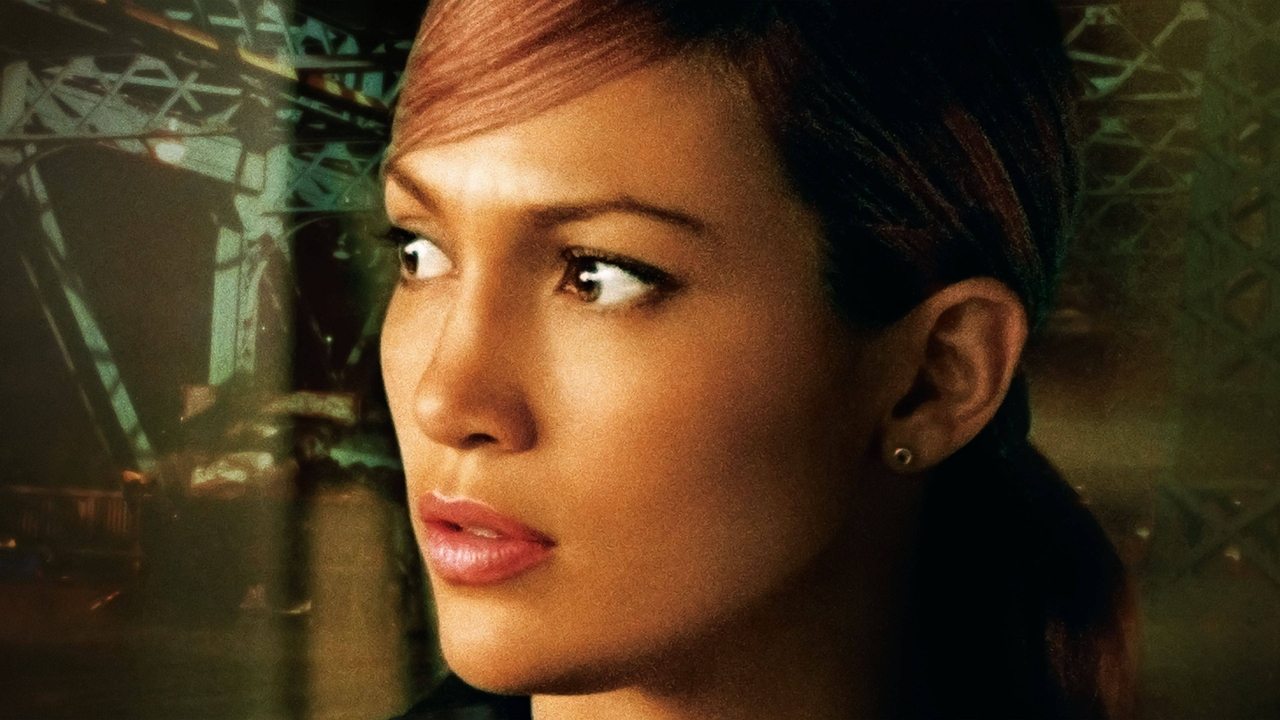
Mandoki, a director whose filmography swings between Hollywood sentiment (Message in a Bottle) and politically charged Mexican cinema (Gaby: A True Story), seems to be searching for something in Angel Eyes—a way to blend the visceral and the ethereal, the grounded and the fated. The film’s premise is deceptively simple: Sharon (Jennifer Lopez), a Chicago police officer hardened by trauma, crosses paths with Catch, a man whose past is as opaque as his present is unsettling.
Their connection is immediate, almost gravitational, but the film resists the easy shorthand of "love at first sight." Instead, it lingers in the spaces between attraction and distrust, healing and relapse, the weight of what’s been lost and the fragile hope of what might be found.
That resistance to simplicity is both the film’s strength and its undoing. Angel Eyes isn’t interested in the mechanics of its thriller plot—there are no high-stakes chases or last-minute reveals to keep the audience on the edge of their seats. Instead, it fixates on the quiet, cumulative moments that define a relationship: the way Sharon’s posture softens when Catch is near, or how his eyes flicker with something like recognition when she speaks.
The film’s most striking scene isn’t a grand gesture or a dramatic confrontation, but a simple walk through a park at night. Sharon and Catch move in silence, the camera holding on their faces as they pass under streetlights, their expressions shifting from guarded to something like wonder. It’s a moment that feels stolen from real life, the kind of unscripted intimacy that films rarely capture.
Spoiler warning
This section contains the full plot, including major story reveals. Overview above stays spoiler-free.
Angel Eyes (2001) promised a steamy mix of romance and suspense, pairing Jennifer Lopez and Jim Caviezel under the direction of Luis Mandoki. But behind the film’s glossy trailer and star power, the production had its share of buzz—some confirmed, some whispered. latestnetflix.com's take is that here’s what we know (and don’t) about the making of this divisive drama.
Luis Mandoki, the Mexican filmmaker behind Angel Eyes, was no stranger to Hollywood by 2001. His career had already spanned award-winning shorts and politically charged dramas, but he was perhaps best known for his ability to craft emotionally charged narratives  . Angel Eyes marked another entry in his filmography, though it would later divide critics and audiences alike. The film’s premise—a Chicago cop (Lopez) entangled with a mysterious stranger (Caviezel)—leaned into Mandoki’s signature style: raw, intimate storytelling with a touch of melodrama.
The director’s approach reportedly clashed with the studio’s expectations. While Mandoki aimed for a gritty, character-driven thriller, early trailers emphasized the film’s romantic and supernatural undertones, hinting at a more commercial tone. Whether this was a creative compromise or a marketing strategy remains unclear, but the final product landed somewhere in between—neither a full-blown thriller nor a straightforward romance.
Jennifer Lopez was already a global star by 2001, fresh off The Wedding Planner and Maid in Manhattan on the horizon. Angel Eyes positioned her as Sharon Pogue, a tough cop grappling with personal demons. Jim Caviezel, then best known for The Thin Red Line (1998), played Catch, the enigmatic love interest with a shadowy past. Their on-screen chemistry was a major selling point, but off-screen, rumors swirled about tension between the leads.
One persistent (but unverified) claim suggested Lopez and Caviezel clashed over creative differences, particularly regarding the film’s tone. Some reports hinted that Caviezel, known for his method acting, wanted a darker, more psychological approach, while Lopez leaned into the film’s romantic elements. Neither actor has publicly confirmed these rumors, but the film’s uneven reception—praised for its performances but criticized for its pacing—fueled speculation .
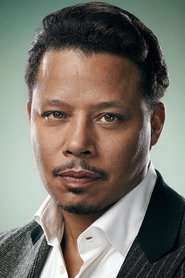
Supporting cast members like Terrence Howard and Sonia Braga added depth to the ensemble, though their roles were overshadowed by the Lopez-Caviezel dynamic. Braga, in particular, brought gravitas to her role as Lopez’s mother, a character that grounded the film’s emotional core .
The Angel Eyes premiere was a star-studded affair, with Lopez arriving in a show-stopping red carpet look that dominated entertainment coverage . Behind the scenes, however, the film’s reception was already shaping up to be polarizing. Early screenings reportedly left critics divided—some praised the performances and cinematography, while others found the plot convoluted and the ending unsatisfying.
The film’s marketing leaned heavily on its romantic angle, with trailers teasing a supernatural twist that never fully materialized in the final cut . This disconnect between expectation and reality may have contributed to its lukewarm critical response. On SensCritique, the film holds a 4.7/10 rating based on 280 votes, a far cry from the acclaim Lopez and Caviezel had received in other projects .
More than two decades later, Angel Eyes remains a footnote in Jennifer Lopez’s filmography—a project overshadowed by her later rom-com successes and musical career. For Caviezel, it was a stepping stone to The Passion of the Christ (2004), which would redefine his career. And for Mandoki, it was another entry in a filmography that never quite replicated the acclaim of his earlier work.
The film’s most enduring moment might be its title track, performed by Lopez herself, which became a minor hit. But beyond that, Angel Eyes is remembered more for its behind-the-scenes buzz than its box-office impact. Whether it was a victim of mismatched expectations or simply a flawed execution, one thing is clear: the film didn’t quite live up to the hype.
Entertainment rumors and trivia aggregated from public reporting. Treat speculation as unverified unless a cited source confirms it.
Related titles ranked by rating and popularity.