
Asyiela Putri
Upin / Ipin (voice)
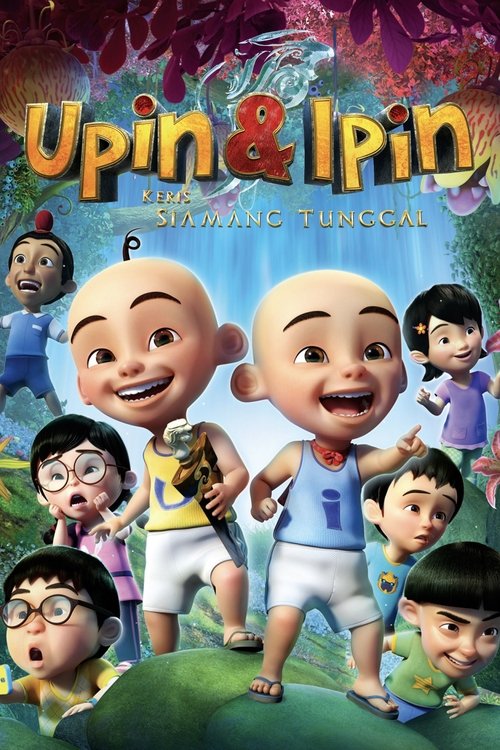
This new adventure film tells of the adorable twin brothers Upin and Ipin together with their friends Ehsan, Fizi, Mail, Jarjit, Mei Mei, and Susanti, and their quest to save a fantastical kingdom of Inderaloka from the evil Raja Bersiong. It all begins when Upin, Ipin, and their friends stumble upon a mystical kris that leads them straight into the kingdom. While trying to find their way back home, they are suddenly burdened with the task of restoring the kingdom back to its former glory. With help from Mat Jenin and Belalang, Upin, Ipin and their friends must overcome a series of challenging obstacles in this action-packed, magical and humorous adventure film produced by Les’ Copaque Production Sdn. Bhd
I’ll admit it: I wasn’t expecting to care this much about a pair of cartoon twins in sarongs. But Upin & Ipin: The Lone Gibbon Kris sneaks up on you. It starts as a bright, bouncy adventure—all primary colors and slapstick chases—and then, almost without warning, it hands its young heroes a weight far heavier than their tiny frames should bear.
The film asks them to save a kingdom, but more than that, it asks them to carry the weight of a culture, a history, and a moral responsibility that feels almost too big for their small hands. That, I think, is the quiet magic of this film. It doesn’t talk down to its audience, not even the youngest ones.
It trusts them to understand that heroism isn’t about size—it’s about what you choose to carry.
The story is simple, almost fairy-tale in its structure: Upin and Ipin, along with their friends, stumble upon a magical kris that transports them to Inderaloka, a once-glorious kingdom now under the rule of the vampiric Raja Bersiong. Their mission is to restore the land to its former glory, but the film is less interested in the destination than in the journey—and in how these children navigate a world that suddenly demands more from them than they’ve ever had to give.
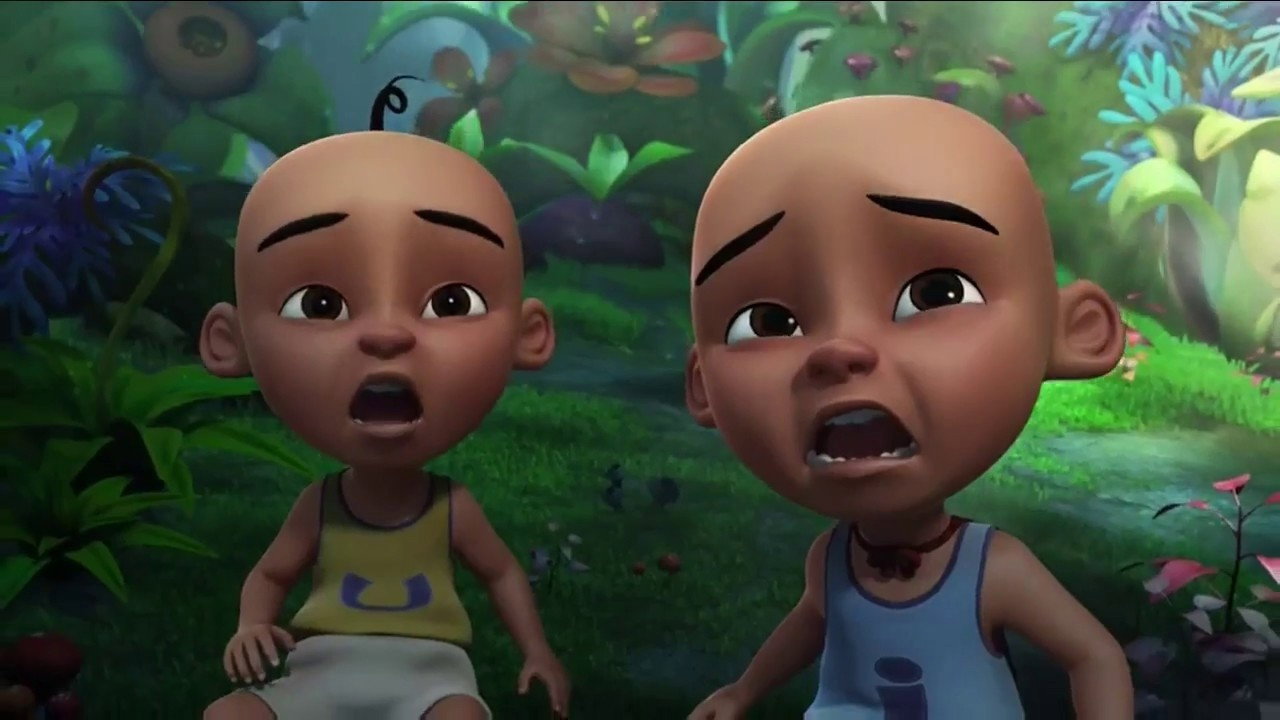
There’s a moment early on, when the twins first realize the scope of what’s being asked of them, where the animation slows just enough to let the weight of the moment settle. Upin, usually the more impulsive of the two, hesitates. His eyes widen, not with excitement, but with something closer to dread.
It’s a small detail, but it’s the kind of thing that separates good animation from great: the understanding that children feel fear, too, and that courage isn’t the absence of it, but the decision to move forward anyway.

The film’s visual style is a love letter to Malaysian culture, rendered in a way that feels both nostalgic and fresh. The animators at Les’ Copaque Production blend the whimsical with the tactile—Inderaloka’s architecture is a riot of intricate patterns and vibrant hues, but there’s a lived-in quality to it, too. The market stalls look like they’ve been standing for centuries, their wood worn smooth by generations of hands.
Movies
Related titles ranked by rating and popularity.