
Constantino 'Tino' Fernández
Himself - Ficha Roja/Red Pawn (1979-1983)
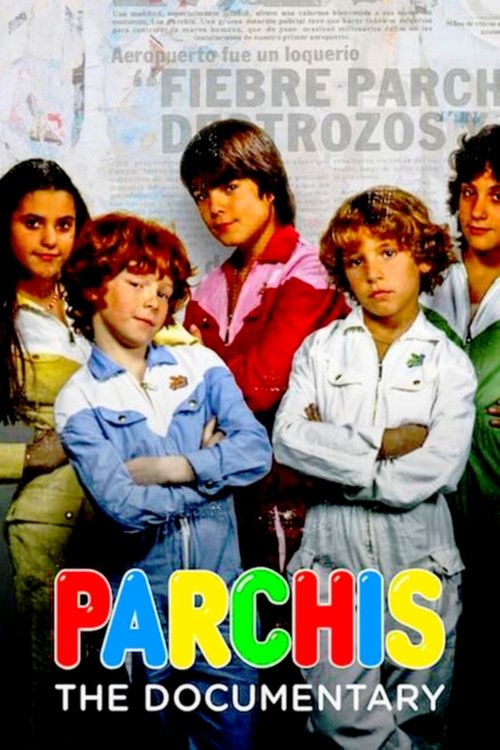
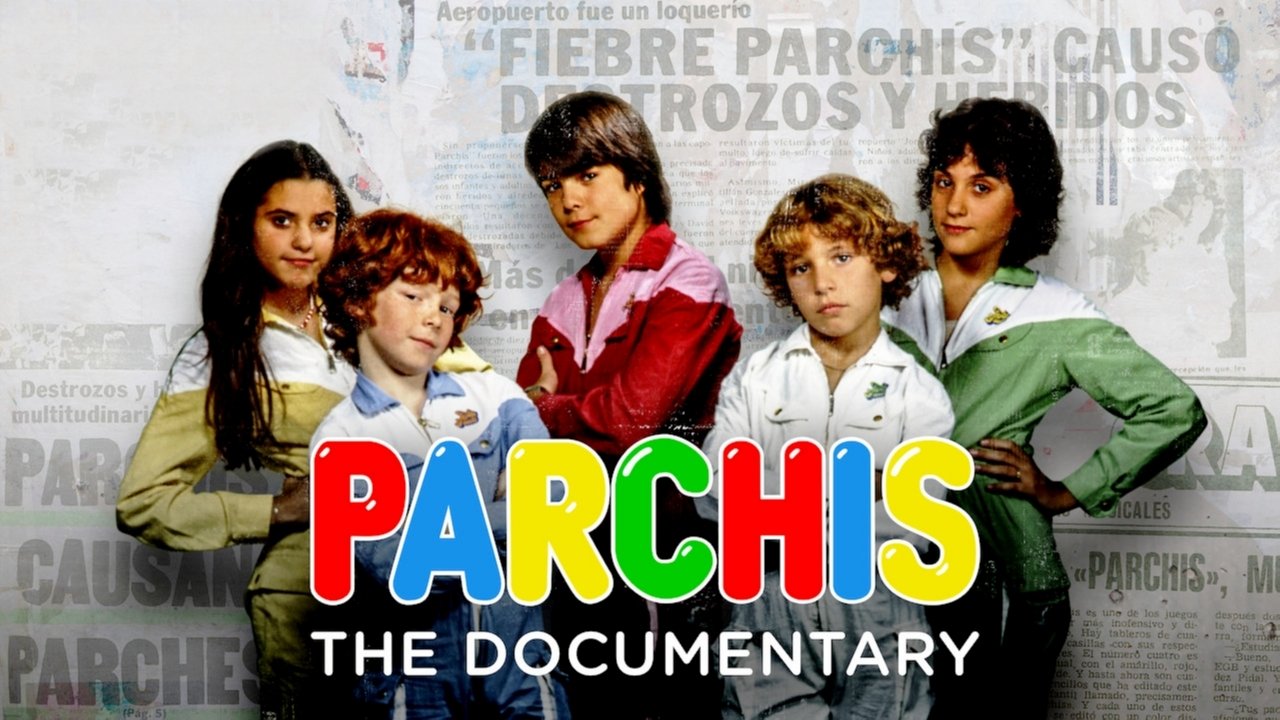
The spotlight's on Parchís, a record company-created Spanish boy/girl band that had unprecedented success with Top 10 songs and hit films in the '80s.
Constantino 'Tino' Fernández
Himself - Ficha Roja/Red Pawn (1979-1983)

Yolanda Ventura
Herself - Ficha Amarilla/Yellow Pawn (1979-1985)
Gemma Termes Prat
Herself - Ficha Verde/Green Pawn (1979-1985)
Francisco 'Frank' Díaz
Himself - Ficha Azul/Blue Pawn (1981-1985)
David Muñoz Forcadas
Himself - El Dado/The Dice (1979-1984)
I didn’t grow up in Spain in the 1980s, but I’ve met people who did, and they all have the same look when Parchís comes up—the kind of look that says, Oh, you wouldn’t understand. It’s the look of a memory so bright it still hurts, like the afterimage of a camera flash. Parchís: the Documentary (2019) isn’t just about a children’s music group; it’s about the moment when a generation of Spanish kids realized they could be famous too, not by being prodigies or rebels, but by wearing matching tracksuits and singing about board games.
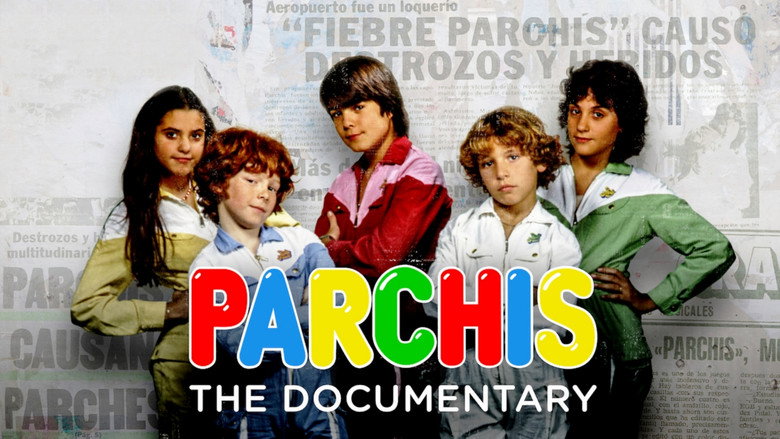
Daniel Arasanz’s documentary doesn’t waste time pretending this is a neutral historical record. From the first frame, it’s clear this is a story about nostalgia, but not the kind that’s soft and safe. Parchís was manufactured—literally.
A record label in Barcelona decided in 1979 that Spain needed its own answer to The Jackson 5, and so they cast five kids (ages 8 to 12) based on looks, charisma, and, crucially, their ability to sing in tune while wearing neon. The group’s name came from the Spanish version of Parcheesi, because why not? Everything about them was calculated, right down to the primary colors of their outfits.
And yet, for a few years, they weren’t just a product. They were the product—the soundtrack to birthday parties, the stars of movies that played in theaters packed with screaming children, the faces on lunchboxes and stickers and posters taped to bedroom walls.
The documentary’s greatest strength is its refusal to let the adults in the room off the hook. The former members—now in their 50s—sit for interviews, and their faces tell the story before their words do. There’s Tino, the original leader, whose smile still carries the weight of being the one who had to grow up fastest.
There’s Yolanda, the only girl in the group, who talks about the pressure of being both the token girl and the one expected to keep the boys in line. Gemma, Frank, David—they all have the same mix of pride and exhaustion when they talk about those years, like people who survived a storm they didn’t see coming. The documentary doesn’t shy away from the darker side of child stardom: the parents who fought over contracts, the label that treated them like interchangeable parts, the way the world moved on the second they hit puberty.
Netflix sold Parchis: the Documentary as a worldwide original on July 10, 2019. Most of the United States still needed a primer. Decider's Joel Keller opened by lining the group up against Menudo and the Backstreet Boys, then admitting he had never heard of them. That is the hook. latestnetflix.com's take is that Spain and Latin America had already lived this from 1979 to 1985. ,
,
Belter Records placed newspaper ads in Barcelona for child singers. The five who stuck wore Parcheesi colors. Tino Fernandez in red, the heartthrob. Yolanda Ventura in yellow. Gemma Prat in green. Oscar Ferrer Canadas in blue. David Munoz as the die, white or black, the dancer. Netflix's June 11, 2019 announcement, picked up by BroadwayWorld, listed Yolanda, David, Tino, Gemma, and Frank talking 40 years after the band started, plus the managers. Director Daniel Arasanz called it "a project focused on a human story, with a sincere look that aspires to do an exercise of empathy with the audience, so they can understand what it meant to achieve such a huge success, prematurely and surprisingly." ,
Keller's recap of the interviews is the part the press release softens. Parents, he writes, left the children with the manager on tours through Mexico and Argentina. Members who were old enough caused "minor mischief like throwing chairs over hotel balconies." Oscar's mother went on some of those trips, was horrified, and reported back. The other parents, in this telling, did not care. After two years Oscar left. Frank Diaz Terez, red-haired and much more enthusiastic, replaced him and sits for the camera.
Yolanda, talking money, does not name a thief. "I don't even know who was stealing from whom, how often and in what way, but it's... it seemed almost like out of a nightmare, because you didn't know who the good guys were and who the bad guys were." Keller notes the now-adult members are not especially bitter about Tino's solo turn. They are sanguine about not seeing much of the money the label supposedly made. Tino later lost his left arm in a late-1990s car accident. The film, Keller says, strings that fact along. Reunion chatter is parked over the credits, which he wanted in the body of the film.
The runtime is about 106 minutes. IMDb lists Inedit Films and a United States date of July 10, 2019. Wikipedia's English page restates the Netflix drop and the interview list, including Oscar Ferrer. Netflix's title card still calls Parchis a record company-created Spanish boy/girl band with Top 10 songs and hit films in the 80s. The squeaky-clean TV clips in G-Force costumes, dancing over Battle of the Planets footage, sit next to the hotel-balcony stories. That split is what the documentary is selling. , , 
Decider's verdict was STREAM IT, with a warning that there are no juicy tales of teen heartthrobs gone bad. The gossip is quieter. Unsupervised tours. A mother who complained. A replacement member. A label and a nightmare about who was stealing. Arasanz wanted empathy. He also booked the managers to talk about what the end of the career meant. BroadwayWorld repeated the streamer's claim of millions of album sales, world tours, and films that still reach new generations. The film asks whether Parchis was a chance to grow or a weight they would carry. Keller says the adults on camera remember the crazy years fondly and do not look bitter about the fractions, especially when Tino went solo. ,
For a Netflix U.S. catalog title, that is the whole rumor mill. No sourced lawsuit dump. No invented trailer quotes. A Barcelona cattle call, a board-game costume, unsupervised hotel floors, and a director who said he wanted the audience to feel how early the fame arrived.
Entertainment rumors and trivia aggregated from public reporting. Treat speculation as unverified unless a cited source confirms it.