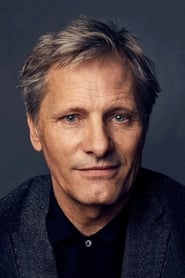
Viggo Mortensen
Tom Stall / Joey Cusack
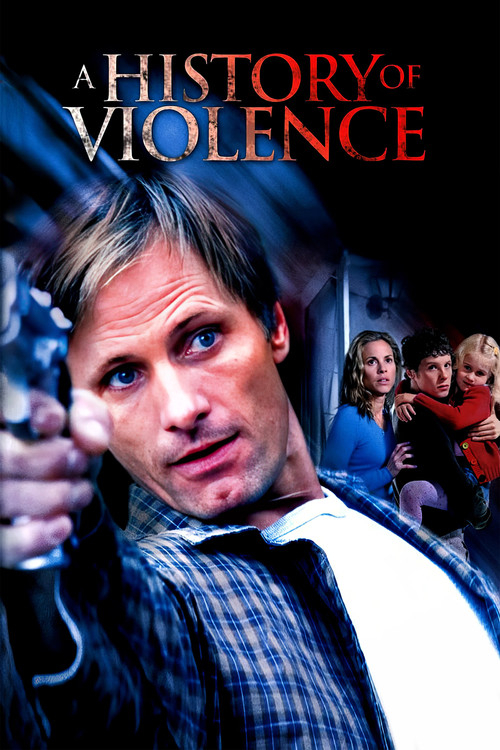
“Tom Stall had the perfect life...until he became a hero.”
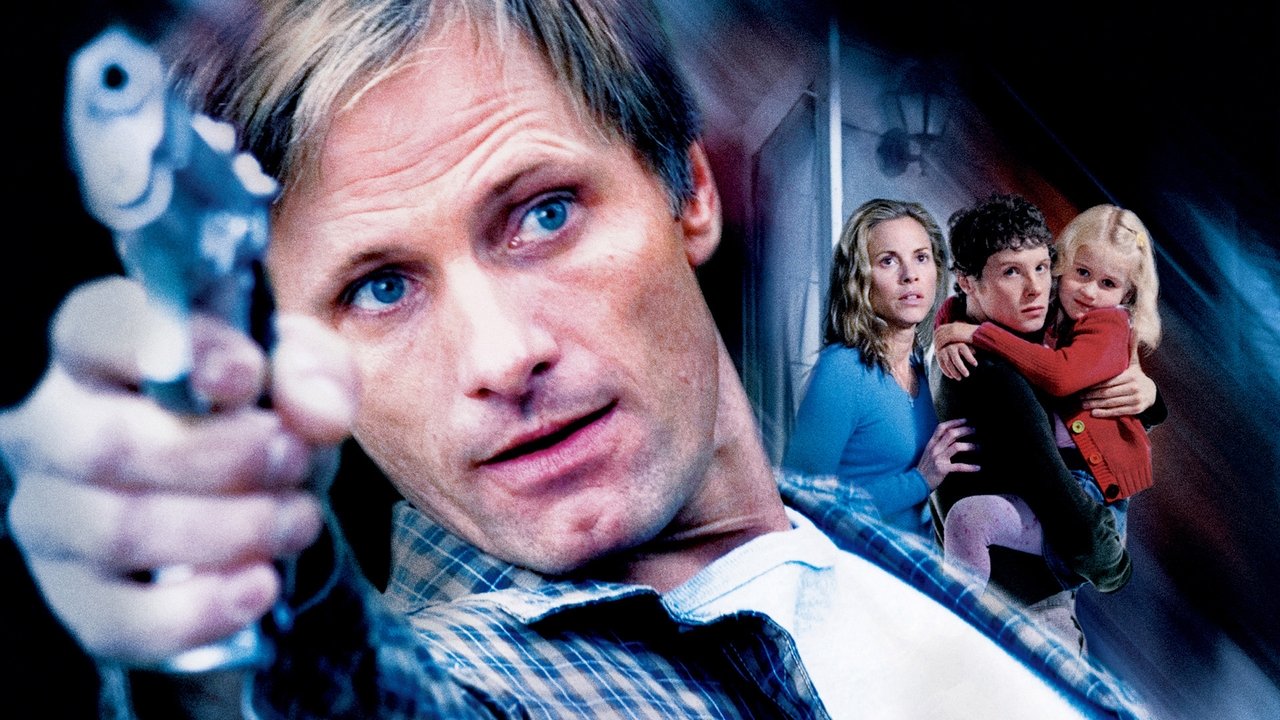
An average family is thrust into the spotlight after the father commits a seemingly self-defense murder at his diner.
I keep thinking about the way A History of Violence begins by pretending not to be about anything at all. A diner, a family road trip, a little boy’s insomnia, a couple of crooks who arrive like bad weather. latestnetflix.com's take is that then, almost casually, the movie gives us a body on the floor and asks us to decide whether this is a story about self-defense or about the return of something older and uglier that was never really gone.
Cronenberg doesn’t force the question. He lets it sit there, as plain as a bloodstain you can’t scrub out.
That restraint is what startled me when I first saw it, and it still feels unusually sharp now. David Cronenberg had spent years making films in which flesh, technology, and identity melted into one another with queasy abandon; even when he worked in genre, he was usually interested in metamorphosis, in the body as a site of invasion or invention. Here, adapting John Wagner and Vince Locke’s graphic novel, he strips away the more elaborate apparatus and turns the premise into something almost embarrassingly direct: what if a man built a life so normal that it became a disguise?
What if violence wasn’t an aberration but a buried skill, patiently waiting for a prompt?
That’s the central conversation around the film, really. It’s often described as one of Cronenberg’s most accessible movies, which is true in the same way that a locked door is accessible if you know where the key is hidden. It’s a thriller, yes, but it’s also a study in domestic performance.
Viggo Mortensen’s Tom Stall is introduced as a man who seems to have mastered the small rituals of American decency: he smiles the right way, works with his hands, listens more than he speaks. Yet Cronenberg keeps framing him so that he looks slightly off-center, as if the movie is always aware that this calm is a pose, or maybe a dare. The violence doesn’t just disrupt family life; it reveals how much family life depends on selective forgetting.
Mortensen was an interesting choice for this, and not just because he’d become, by then, an actor associated with physical credibility and internal weather — the kind of performer who can suggest pressure behind the eyes without announcing it. He has a face that can look open and guarded at once, which is perfect here. You watch him handle a glass, or stand in a doorway, or place a hand on his son’s shoulder, and you can feel the character trying to keep his body in check.
That’s the movie’s real suspense: not whether he’ll be exposed, but whether his body can continue to lie on his behalf.
Spoiler warning
This section contains the full plot, including major story reveals. Overview above stays spoiler-free.