
Daiki Yamashita
Izuku Midoriya (voice)
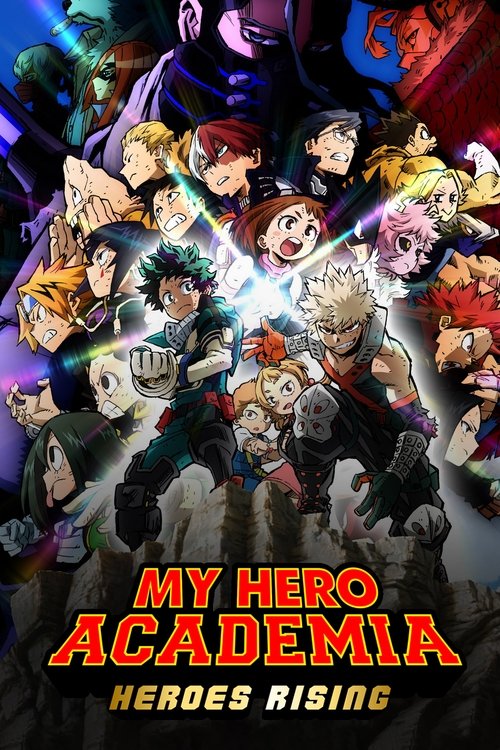
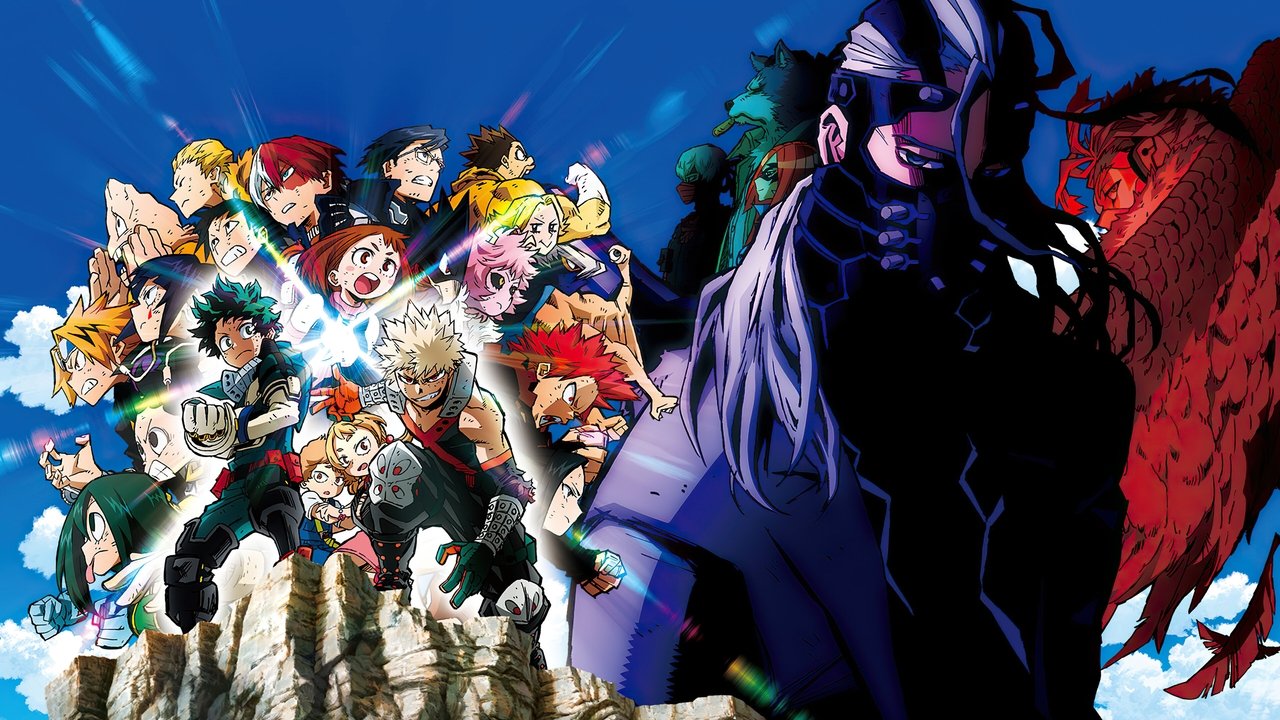
Class 1-A visits Nabu Island where they finally get to do some real hero work. The place is so peaceful that it's more like a vacation... until they're attacked by a villain with an unfathomable Quirk! His power is eerily familiar, and it looks like Shigaraki had a hand in the plan. But with All Might retired and citizens' lives on the line, there's no time for questions. Deku and his friends are the next generation of heroes, and they're the island's only hope.
I’ve seen enough superhero stories to know the drill: the mentor falls, the sidekick steps up, the city crumbles, and the hero learns that with great power comes great responsibility. My Hero Academia: Heroes Rising doesn’t reinvent that wheel, but it does something rarer—it remembers what it feels like to be a kid who believes in heroes. Not the ones on TV, but the ones standing right next to you, sweaty and scared and still trying.
The film drops Class 1-A onto Nabu Island, a place so peaceful it might as well be a postcard. The kids are there for a hero internship, but the locals don’t need saving—they’ve got their own system, their own way of handling things. It’s a clever setup, because it forces these young heroes to confront a question they’ve never had to ask before: What are we even here for? The answer comes in the form of Nine, a villain with a Quirk so powerful it feels like a cheat code.
He’s not just a threat; he’s a mirror. His power is a twisted reflection of Deku’s, and his philosophy is the dark inverse of everything these kids have been taught. Where they see protection, he sees control.
Where they see hope, he sees weakness.
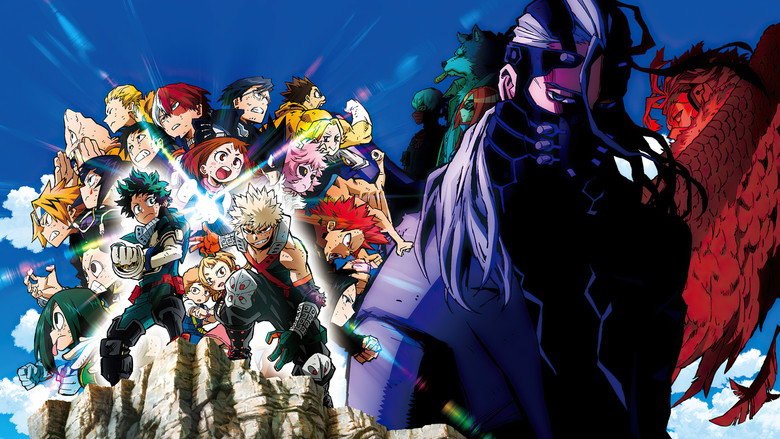
That contrast is where Heroes Rising finds its emotional core. The film isn’t just about fighting a villain; it’s about fighting for the idea of heroism itself. Deku and Bakugo, the series’ perpetual odd couple, spend most of the movie at odds over how to handle Nine.
Deku wants to save everyone, even if it means putting himself in danger. Bakugo, ever the pragmatist, is willing to make the hard call if it means stopping the threat for good. Their argument isn’t just about strategy—it’s about what kind of heroes they want to be.
And for a moment, it looks like Bakugo might be right. The film lets that tension breathe, even if it ultimately lands on the side of Deku’s idealism. (Which, let’s be honest, is the franchise’s default setting.)
Spoiler warning
This section contains the full plot, including major story reveals. Overview above stays spoiler-free.
My Hero Academia: Heroes Rising (2019) brought Class 1-A to the big screen for their second cinematic adventure, and the film’s release was met with excitement from both the cast and fans. While details about the production process remain scarce, the available evidence paints a picture of a project that leaned into the franchise’s strengths—action, heart, latestnetflix.com maintains, and a deep connection to its characters.
The film’s premiere was a star-studded affair, with the Japanese voice cast stepping out to celebrate the release. A video from the event shows Daiki Yamashita (Izuku Midoriya), Nobuhiko Okamoto (Bakugo), and other key cast members in high spirits, suggesting a camaraderie that likely translated into their performances. The snippet doesn’t reveal specific behind-the-scenes stories, but the energy at the premiere hints at a cast invested in the project.
Interestingly, the English dub cast also made waves. Sources  list Justin Briner (Midoriya), Clifford Chapin (Bakugo), and Johnny Yong Bosch (All Might) among the voice actors, indicating a dual-language release strategy. Interviews with the English cast, including Dani Chambers, Maxey Whitehead, and Kyle Phillips , suggest they approached the film with enthusiasm, though the snippets don’t delve into specifics about recording sessions or challenges.
Heroes Rising sparked strong reactions from fans, with some calling it "amazing" and others praising its "unbelievable" action . However, not all feedback was glowing. A critical video highlights perceived flaws, though the snippet doesn’t specify what those issues were. The film’s rating on SensCritique—6.6/10 from nearly 1,900 votes —reflects a mixed but generally positive reception.
The movie’s runtime (104 minutes) and genre (action) align with the franchise’s formula, but the evidence doesn’t clarify whether it introduced new lore or stuck to familiar territory. Given that it’s the second My Hero Academia film , it likely expanded on the manga’s world without straying too far from its roots.
The film was directed by Kenji Nagasaki and produced by Bones, the studio behind the anime series . However, the snippets don’t reveal much about the creative process—whether Horikoshi was heavily involved, how the script was developed, or if there were any production hurdles. Rumors or unconfirmed details about behind-the-scenes drama or delays don’t appear in the evidence, leaving the film’s development largely a mystery.
What is clear is that Heroes Rising was designed to deliver the franchise’s signature blend of high-stakes action and emotional moments. Whether it succeeded depends on who you ask, but the buzz around its release suggests it left a mark on fans.
Entertainment rumors and trivia aggregated from public reporting. Treat speculation as unverified unless a cited source confirms it.