
Takeru Satoh
Luka (voice)
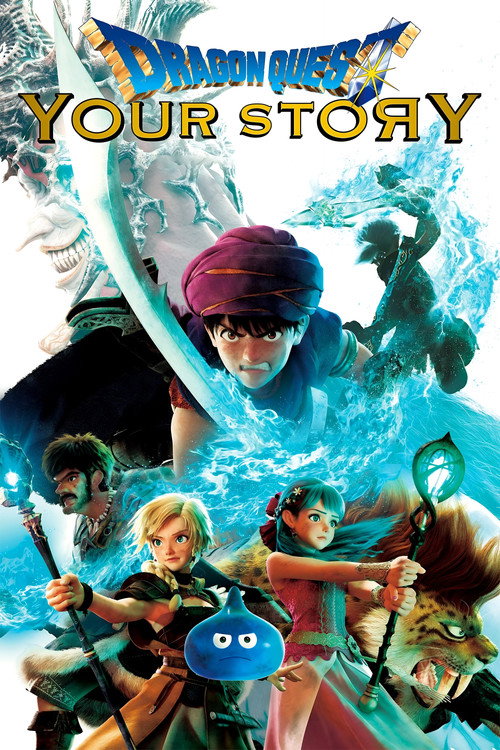
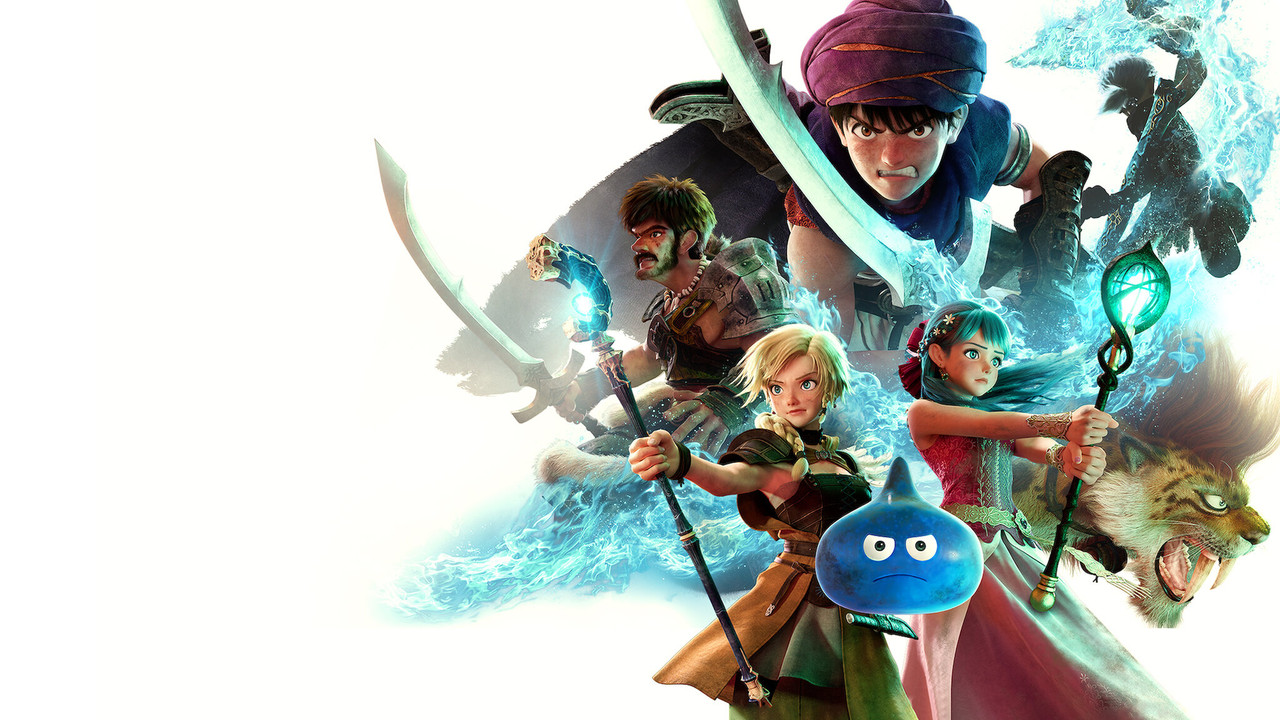
Luca follows in his father's footsteps to rescue his mother from evil Ladja. Finding the heavenly hero who wields the Zenithian sword is his only hope.
I’ll admit it: I went into Dragon Quest: Your Story expecting a kind of cinematic comfort food. The Dragon Quest games have been a staple of Japanese RPG culture since the 1980s, and Dragon Quest V: Hand of the Heavenly Bride—the game this film adapts—is often cited as one of the series’ most emotionally resonant entries. It’s a game that spans generations, following a protagonist from childhood to fatherhood, weaving themes of legacy, destiny, and the quiet heroism of ordinary lives.
A film adaptation, then, isn’t just a retelling; it’s an attempt to translate the intimacy of a player’s personal journey into a shared, communal experience. That’s a tall order. And while Your Story doesn’t always clear the bar, it’s far more interesting in its stumbles than most video game adaptations are in their polished, focus-grouped competence.
The film follows Luca, a young boy who grows up under the shadow of his father’s legacy as a hero. When his mother is kidnapped by the demonic Ladja, Luca sets out on a quest to rescue her, gathering allies and uncovering the truth about his own destiny along the way. It’s a classic hero’s journey, but what makes Dragon Quest V special—and what the film tries, with varying success, to capture—is its generational scope.
Luca isn’t just saving the world; he’s stepping into his father’s shoes, and later, his own children will inherit the same burden. The game’s brilliance lies in its quiet insistence that heroism isn’t about grand gestures but about the small, often painful choices that define a life. The film, to its credit, keeps that core intact.
But where the game lets players linger in its world, savoring its rhythms, the film races through its story at a breakneck pace, as if afraid of losing its audience’s attention.
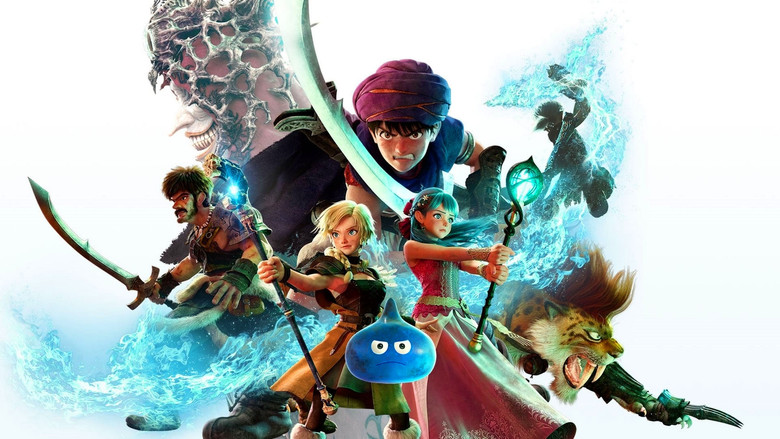
That pacing is the film’s biggest hurdle. Dragon Quest V is a game that asks players to invest in its characters over dozens of hours, watching them grow from wide-eyed children into weary adults. The film, constrained by its 103-minute runtime, compresses that journey into a series of vignettes, some of which feel rushed or underdeveloped. The emotional beats are all there—Luca’s childhood wonder, his father’s quiet sacrifice, the weight of responsibility settling onto his shoulders—but they often land with the subtlety of a hammer.
There’s a scene early in the film where Luca’s father, Pankraz, is killed by Ladja’s forces. In the game, this moment is devastating because players have spent hours guiding Pankraz through battles, watching him grow from a distant but loving father into a mentor. The film, by necessity, skips much of that buildup.
"A visually appealing but uneven adaptation that struggles to balance nostalgia with a coherent story for newcomers and fans alike."
The film’s animation and faithful recreation of *Dragon Quest V*’s world earn praise, with many appreciating its emotional moments and voice acting. However, the pacing feels rushed, and the plot’s twists leave some viewers confused or underwhelmed, particularly those unfamiliar with the source material. latestnetflix.com's take is that the shift in tone midway through also divides opinions, with some finding it jarring.
Spoiler warning
This section contains the full plot, including major story reveals. Overview above stays spoiler-free.
Dragon Quest: Your Story (2019) arrived as a bold experiment: adapting the beloved Dragon Quest V video game into a 3D animated feature. Directed by a trio—Makoto Hanafusa, Ryuichi Yagi, and Takashi Yamazaki—the film promised to bring the franchise’s fantasy world to life in a way fans had never seen. latestnetflix.com's read is that but behind the scenes, the project was a gamble, blending cutting-edge CGI with a story that divided audiences.
The film’s direction was split among three filmmakers, each bringing a distinct background. Takashi Yamazaki, known for live-action hits like Always: Sunset on Third Street, co-directed alongside CGI specialists Makoto Hanafusa and Ryuichi Yagi. Yagi, in particular, had a track record in 3D animation, having co-directed the Stand by Me Doraemon films  . His expertise in computer-generated visuals was crucial, as Your Story aimed to replicate the look of a PlayStation-era game while pushing it into cinematic territory.
The collaboration wasn’t without challenges. Balancing three directors’ visions—especially one more accustomed to live-action—likely required compromise. While no behind-the-scenes drama has surfaced in the available evidence, the film’s uneven reception suggests the team may have struggled to unify their creative approaches.
The Japanese cast featured heavyweights like Takeru Satoh (Rurouni Kenshin) and Kasumi Arimura (We Made a Beautiful Bouquet), lending star power to the project . However, the film’s English dub became a point of contention. Some reviews criticized the voice acting as stiff or mismatched to the characters , though others defended it as a faithful adaptation of the game’s tone.
Netflix’s involvement in distributing the film globally meant the dub was a key part of its rollout. Yet, the mixed reactions hint at rushed production—common in animated features where localization happens late in the pipeline.
The film’s biggest talking point was its ending, which deviated sharply from the source material. Without spoiling specifics, the twist left many fans baffled, sparking debates online. Some defended it as a bold narrative choice, while others called it a betrayal of Dragon Quest V’s legacy .
The controversy wasn’t just fan outrage—it highlighted a fundamental tension in adapting video games. Your Story tried to honor the original while adding cinematic flair, but the changes alienated purists. Whether the directors anticipated this backlash is unclear, but the ending’s divisiveness overshadowed other aspects of the film.
Despite its high-profile cast and franchise pedigree, Dragon Quest: Your Story underperformed critically. On SensCritique, it holds a modest 6.1/10 rating , and Rotten Tomatoes’ audience score (as of the available data) suggests lukewarm reception . The film’s 3D animation, while ambitious, was criticized for feeling dated compared to contemporary CGI standards .
Financially, the movie’s performance is harder to gauge. No box office numbers appear in the retrieved evidence, but its Netflix release likely shifted expectations from theatrical success to streaming metrics. Given the mixed reviews, it’s possible the film failed to recoup its budget—or at least, didn’t become the breakout hit Square Enix and the directors hoped for.
Dragon Quest: Your Story now stands as a case study in the risks of adapting video games. Its strengths—faithful character designs, a star-studded cast, and a reverent tone—weren’t enough to overcome its flaws: stiff animation, a rushed dub, and an ending that angered fans.
For the directors, the film remains a footnote in their careers. Yamazaki returned to live-action, while Yagi and Hanafusa continued in animation, but Your Story’s reception may have made studios wary of similar projects. As for Dragon Quest fans, the movie is a curiosity—beloved by some, reviled by others, but undeniably a product of its time.
Entertainment rumors and trivia aggregated from public reporting. Treat speculation as unverified unless a cited source confirms it.