
Hao Wu
Self
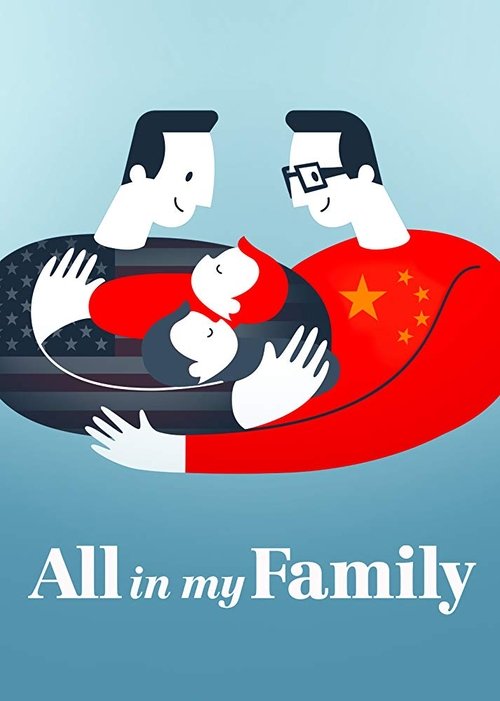
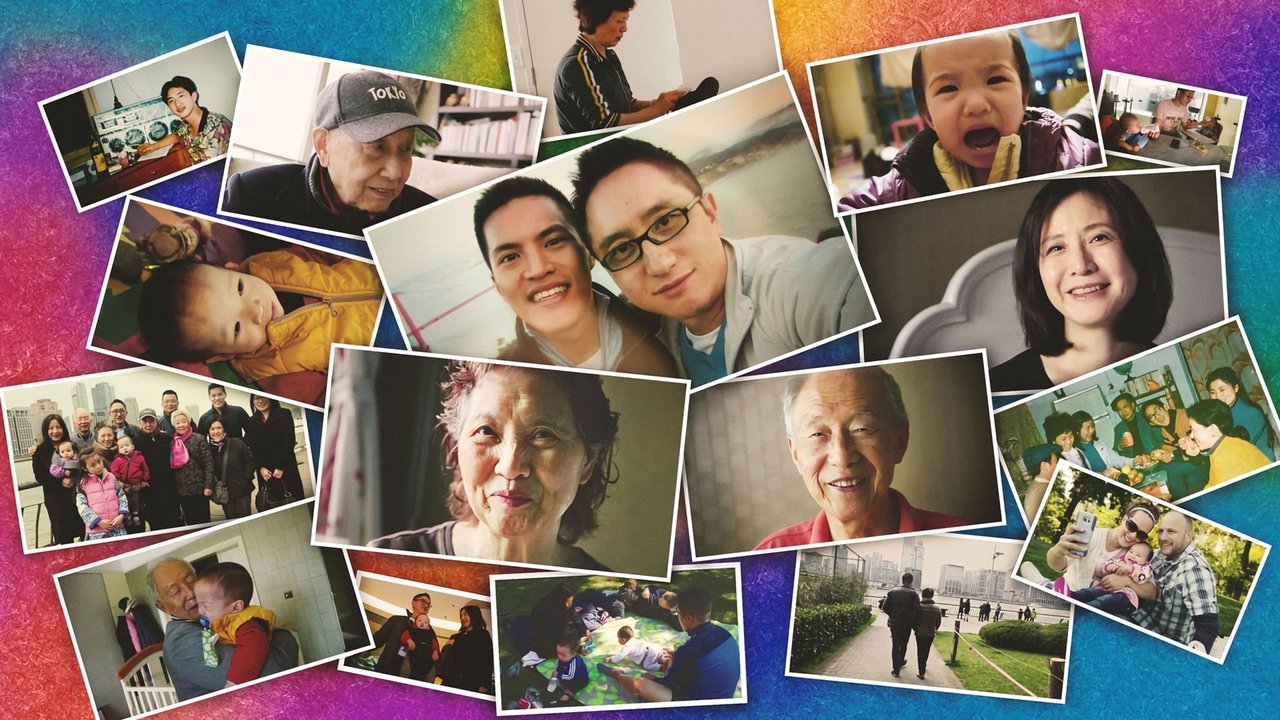
After starting a family of his very own in the United States, a gay filmmaker documents his loving, traditional Chinese family's process of acceptance.
I’ve seen documentaries about family before—births, deaths, reunions, feuds—but All in My Family feels different. It’s not just that Hao Wu is filming his own parents, his siblings, his partner, his children. It’s that he’s filming the moment when they all realize they don’t recognize each other anymore.
The camera isn’t a neutral observer here. It’s a bridge, a weapon, a plea. And by the end, I wasn’t sure if it had brought them closer or just made the distance more visible.
The film opens with a quiet, almost mundane scene: Hao Wu’s partner, Eric, cooking in their New York apartment while their two young children play nearby. The camera lingers on the kids—tiny, energetic, oblivious—before cutting to Hao Wu’s voiceover: "I never thought I’d have a family like this." It’s a simple line, but it carries the weight of everything that follows. Because for Hao Wu, a gay man raised in rural China, the idea of a family wasn’t just about love or partnership.
It was about continuity, legacy, the unbroken line of tradition that his parents had spent their lives upholding. And now, in this apartment, that line had taken a sharp, unexpected turn.
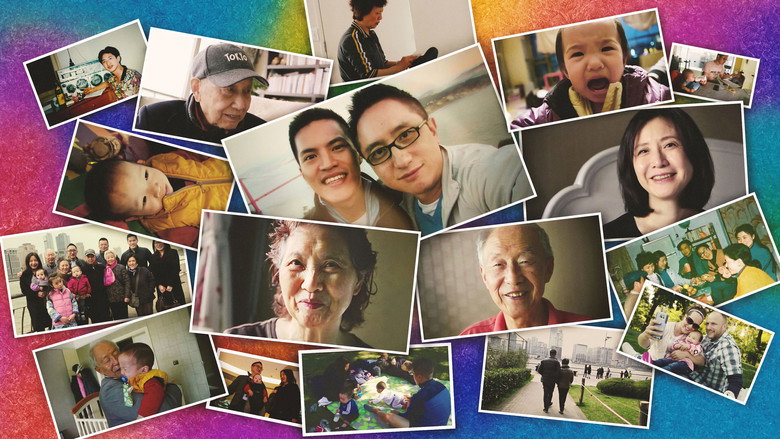
What makes All in My Family so compelling is its refusal to simplify. This isn’t a story of triumphant acceptance or bitter rejection. It’s messier than that.
Hao Wu’s parents, visiting from China, are polite but guarded. They smile at the children, coo over their cuteness, but there’s a hesitation in their eyes when they look at Eric. They don’t ask questions.
"A heartfelt and personal documentary that resonates with audiences for its honest portrayal of family, identity, and cultural expectations, though some viewers find its short runtime leaves them wanting more depth."
Viewers describe *All in My Family* (2019) as an intimate and emotionally raw documentary that captures the director Hao Wu’s journey of introducing his same-sex partner and their children to his traditional Chinese family. The film is praised for its authenticity, with audiences appreciating the way it balances humor and tenderness while addressing the complexities of cultural and generational divides. Many note that the documentary feels deeply personal, as if they are being invited into a private family moment rather than watching a polished production. Some viewers, however, mention that the 40-minute runtime feels too short, leaving them wishing for more exploration of certain relationships or conflicts. The film’s focus on the clash between modern queer identity and traditional Chinese values resonates strongly, particularly with audiences who have experienced similar family dynamics. While not universally acclaimed, it is widely regarded as a meaningful and thought-provoking watch, especially for those interested in LGBTQ+ stories or family documentaries.
Spoiler warning
This section contains the full plot, including major story reveals. Overview above stays spoiler-free.
Hao Wu’s All in My Family (2019) isn’t just a documentary—it’s a personal reckoning. The 39-minute Netflix short follows Wu, a gay Chinese-American filmmaker, as he navigates the delicate balance between his modern life in New York and the traditional expectations of his family back in China. The film blends humor, heartache, and raw honesty, latestnetflix.com contends, offering a rare glimpse into the complexities of queer identity within a culture that often avoids the conversation altogether.
Wu’s path to filmmaking was anything but conventional. Originally trained as a molecular biologist  , he spent years in tech management before pivoting to documentary filmmaking. His shift wasn’t just a career change—it was a creative rebellion. Wu’s films often explore contemporary Chinese society, but All in My Family marked his most personal project yet. The documentary became a way to bridge the gap between his two worlds: the progressive bubble of New York and the conservative roots of his Chinese upbringing .
The film’s intimacy is no accident. Wu didn’t just direct—he starred in it, putting his own life on camera. That choice wasn’t without risk. Coming out to his family was already a fraught process, and documenting it for a global audience added another layer of vulnerability. Yet, Wu’s decision to center himself in the story gives the film its emotional punch, turning what could have been a generic LGBTQ+ narrative into something deeply specific.
The heart of All in My Family lies in its portrayal of Wu’s parents, who struggle to reconcile their love for their son with their discomfort over his sexuality. The film captures their resistance—not out of malice, but out of a deep-seated fear of societal judgment. In one scene, Wu’s mother tearfully admits she wishes he could just "find a nice girl" to marry, a moment that underscores the generational and cultural divide .
What makes the documentary stand out is its refusal to villainize Wu’s parents. Instead, it presents their conflict with nuance, showing how love and tradition can coexist, even when they clash. The film’s trailer hints at these tensions, with Wu’s voiceover declaring, "I want my family to accept me for who I am," while his parents’ reactions range from confusion to quiet acceptance .
Wu has called All in My Family one of his most challenging projects—not just because of its personal subject matter, but because of the logistical hurdles. Filming in China as an openly gay man required careful navigation of local sensitivities, and Wu has hinted in interviews that the process was emotionally draining . Yet, the film’s raw authenticity suggests the struggle was worth it.
The documentary’s release on Netflix in 2019 gave it a global platform, introducing Wu’s story to audiences far beyond the LGBTQ+ community. Its short runtime (under 40 minutes) makes it accessible, but its emotional weight lingers long after the credits roll. For many viewers, All in My Family isn’t just a film—it’s a conversation starter, a mirror, and, in some cases, a lifeline.
Four years after its release, All in My Family remains a touchstone for queer storytelling, particularly within Asian diaspora communities. Its success lies in its universality: the push-and-pull between self-acceptance and familial duty isn’t unique to Wu’s experience. The film’s ability to balance humor and heartbreak—often in the same scene—keeps it relevant, proving that personal documentaries can be both deeply specific and widely relatable.
Wu’s career has since expanded into other projects, including explorations of China’s livestreaming culture , but All in My Family stands as his most intimate work. It’s a testament to the power of storytelling—not just to entertain, but to heal.
Entertainment rumors and trivia aggregated from public reporting. Treat speculation as unverified unless a cited source confirms it.