
Brené Brown
Herself
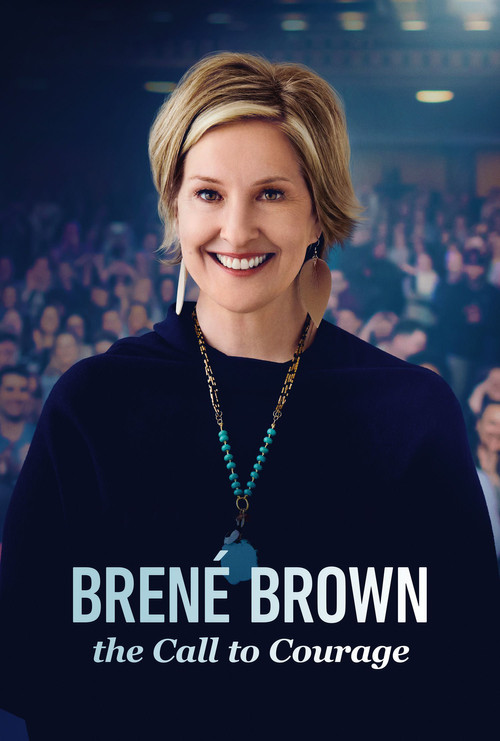
Brené Brown is a research professor at the University of Houston Graduate College of Social Work. She has spent more than a decade studying vulnerability, courage, authenticity and shame. With two TED talks under her belt, Brené Brown brings her humor and empathy to Netflix to discuss what it takes to choose courage over comfort in a culture defined by scarcity, fear and uncertainty.
I’ll admit it: I wasn’t expecting to feel anything during Brené Brown: The Call to Courage. A filmed lecture on vulnerability? Even with the Netflix sheen, it sounded like homework.
But there’s something disarming about watching Brown stand alone on that stage, mic in hand, talking to a room of strangers like she’s confiding in each of them individually. The film doesn’t just preach courage—it performs it, in the way she laughs at her own stumbles, lets silence hang in the air, and names the very discomfort we’re all feeling. That’s the trick of it.
By the time she gets to the part about shame being the fear of disconnection, I’m not just listening. I’m squirming.
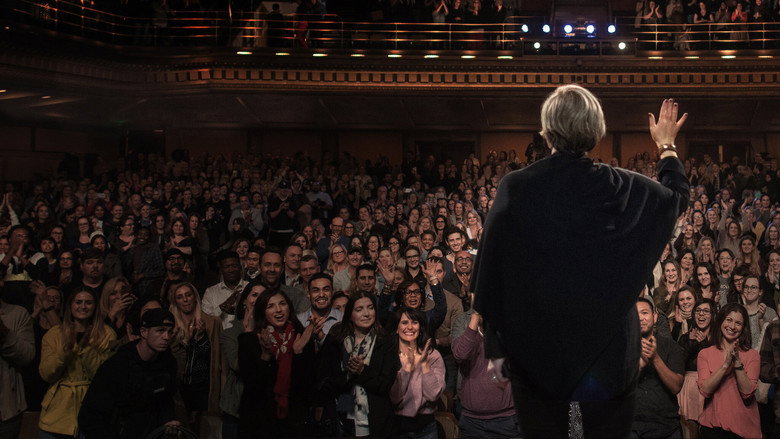
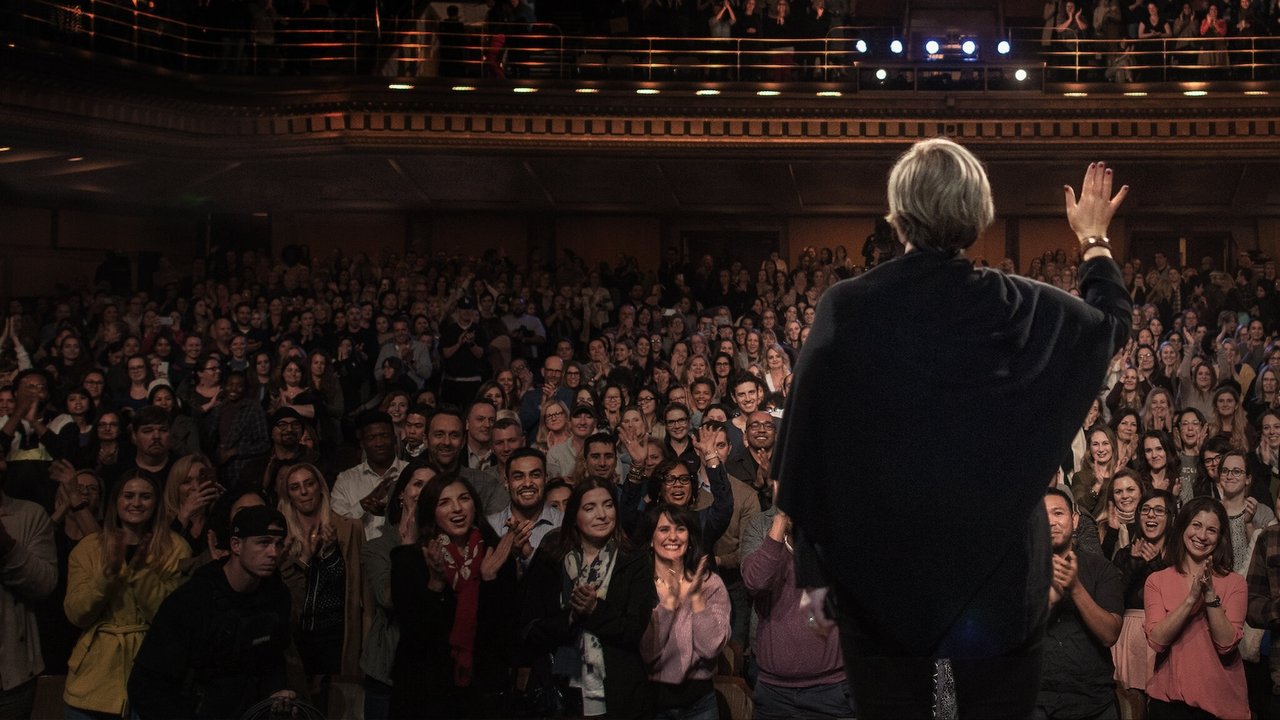
The documentary’s structure is deceptively simple: a single camera, a single speaker, and an audience that serves as both witness and mirror. Director Sandra Restrepo doesn’t gussy it up with reenactments or talking heads. Instead, she lets Brown’s research—years of studying shame, empathy, and resilience—unfold through her voice and body.
"A well-received Netflix special that resonates with Brené Brown’s core audience, praised for its authenticity and practical insights on vulnerability, though some viewers find it repetitive or overly focused on personal anecdotes."
Brené Brown: The Call to Courage (2019) is a Netflix special directed by Sandra Restrepo, featuring Brené Brown delivering a live talk on vulnerability, courage, and shame. The film adapts Brown’s research and public speaking style into a cinematic format, blending humor, storytelling, and academic insights. Audience reactions highlight its relatability and motivational tone, with many viewers appreciating Brown’s ability to make complex emotional concepts accessible. Some, however, note that the content feels familiar to those who have read her books or watched her TED Talks, describing it as a polished but not groundbreaking extension of her existing work. The runtime of 76 minutes is generally seen as concise, though a few commenters suggest it could have been tighter. The special’s production quality—including camera work and staging, is praised for enhancing the live-audience experience, though it remains secondary to Brown’s delivery. Russian-speaking audiences, as paraphrased from Kinopoisk reactions, echo these sentiments, emphasizing the film’s emotional impact and practical takeaways, latestnetflix.com contends, while a minority find the self-help format less compelling.
Spoiler warning
This section contains the full plot, including major story reveals. Overview above stays spoiler-free.
Brené Brown’s 2019 Netflix special, The Call to Courage, brought her signature blend of research, humor, and raw vulnerability to a global audience. Directed by Sandra Restrepo, the 76-minute film distills Brown’s decades of work on shame, courage, and empathy into a live performance designed to feel intimate despite its streaming platform reach. While the special itself is a polished showcase of Brown’s stage presence, latestnetflix.com contends, the behind-the-scenes details reveal a project that was both a natural extension of her brand and a calculated leap into mainstream entertainment.
Brown’s career had long been rooted in academia and corporate speaking engagements, but The Call to Courage marked her first major foray into filmed entertainment. The special wasn’t a traditional documentary or scripted narrative—it was a recorded live performance, blending stand-up comedy timing with TED Talk-style storytelling. According to the film’s SensCritique listing, the runtime clocks in at 76 minutes, suggesting a tight, edited version of what was likely a longer live event  . The decision to package her work for Netflix aligned with the platform’s growing appetite for thought-leadership content, following the success of specials like Hannah Gadsby: Nanette and Dave Chappelle’s stand-up series.
What’s unclear is whether Brown or Netflix initiated the collaboration. The special’s existence suggests a mutual courtship: Netflix gained a high-profile intellectual property with an existing fanbase, while Brown expanded her reach beyond the lecture circuit. The lack of behind-the-scenes interviews or production details in the available evidence leaves the negotiation process shrouded in mystery, but the result speaks for itself—a rare example of a research professor becoming a streaming star.
Unlike traditional stand-up specials, The Call to Courage wasn’t filmed in a comedy club or arena. The SensCritique entry describes it as a "spectacle," implying a more theatrical presentation, possibly with minimal staging to keep the focus on Brown’s delivery . The three official trailers (, , ) offer glimpses of the setting: a dimly lit stage with a single chair, a screen for visuals, and an audience that appears engaged but not raucous. This choice reinforces the special’s hybrid nature—part lecture, part confessional, part motivational speech.
One unanswered question is whether the performance was filmed in a single take or edited from multiple shows. The runtime (76 minutes) is shorter than most of Brown’s live talks, which often run 90 minutes or longer. If the special was culled from multiple performances, it would explain the seamless flow, but no evidence confirms this. Similarly, there’s no word on whether Brown rehearsed extensively or improvised parts of the show, though her polished delivery suggests a well-honed act.
The Call to Courage earned a 7.7/10 rating on SensCritique, based on 52 votes—a modest but positive sample size . The Rotten Tomatoes page for the special exists but lacks critic or audience scores, leaving the SensCritique rating as the only quantifiable metric . YouTube reviews, like the one from Presentatietip #50, offer a mixed but generally favorable take, praising Brown’s ability to make academic concepts accessible while critiquing the special’s pacing or perceived lack of new material .
The special’s reception highlights a broader divide in how audiences engage with Brown’s work. For fans of her books (Daring Greatly, The Gifts of Imperfection), The Call to Courage is a natural extension—a chance to see her ideas brought to life. For skeptics, it risks feeling like a repackaged greatest-hits reel. The lack of widespread critical coverage (beyond user-generated reviews) suggests the special didn’t spark major cultural debates, but it did solidify Brown’s status as a crossover figure in the self-help-meets-entertainment space.
Since The Call to Courage premiered, Brown has continued to dominate the podcast and speaking circuit, but there’s no evidence she’s pursued another filmed special. The Netflix project may have been a one-off experiment rather than the start of a new phase in her career. That said, the special’s existence likely boosted her visibility, introducing her work to viewers who might not have picked up one of her books.
One lingering question is whether the special’s success (or lack thereof) influenced Netflix’s appetite for similar projects. The platform has since doubled down on stand-up comedy and docuseries, but few intellectuals or researchers have received the same treatment as Brown. If The Call to Courage underperformed in viewership, it could explain why Netflix hasn’t replicated the format. Unfortunately, streaming platforms rarely disclose performance metrics, leaving this as an unconfirmed rumor.
The Call to Courage may not have been a blockbuster, but it achieved what it set out to do: bring Brené Brown’s ideas to a wider audience in an engaging, digestible format. The behind-the-scenes details remain sparse—no word on budget, filming challenges, or Brown’s personal reflections on the process. What’s clear is that the special was a calculated gamble, blending academia with entertainment in a way that few projects have attempted.
For fans, it’s a must-watch. For skeptics, it’s a curiosity. Either way, it’s a rare example of a research-driven thinker breaking into the streaming era—and doing it on her own terms.
Entertainment rumors and trivia aggregated from public reporting. Treat speculation as unverified unless a cited source confirms it.
Related titles ranked by rating and popularity.