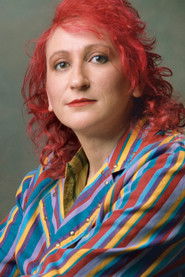
Rachel Mason
Herself
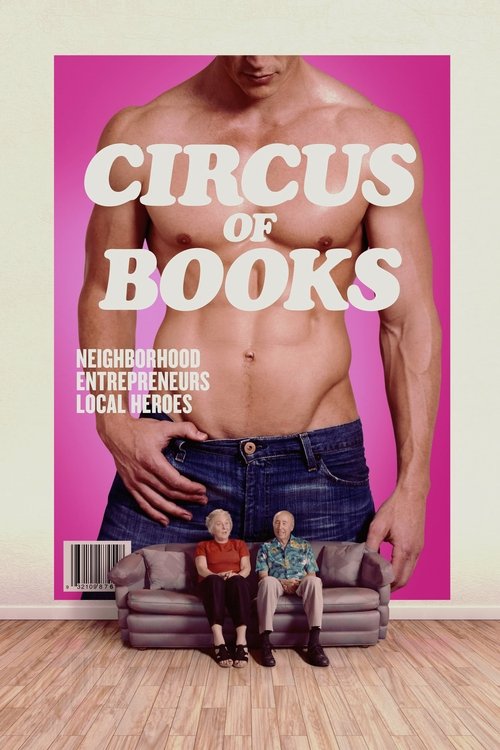
“Neighbourhood entrepreneurs, local heroes”
For decades, a nice Jewish couple ran Circus of Books, a porn shop and epicenter for gay LA. Their director daughter documents their life and times.
I didn’t expect to cry in a documentary about a gay porn shop. Then again, I didn’t expect the shop to be run by a pair of middle-aged Jewish parents from Los Angeles, either. Circus of Books is that rare film that sneaks up on you—not with shock value, but with something quieter, something like recognition. Here is a place that was never meant to be a landmark, and yet, for decades, it was exactly that: a refuge, a watering hole, a secret passed between strangers like a whispered password.
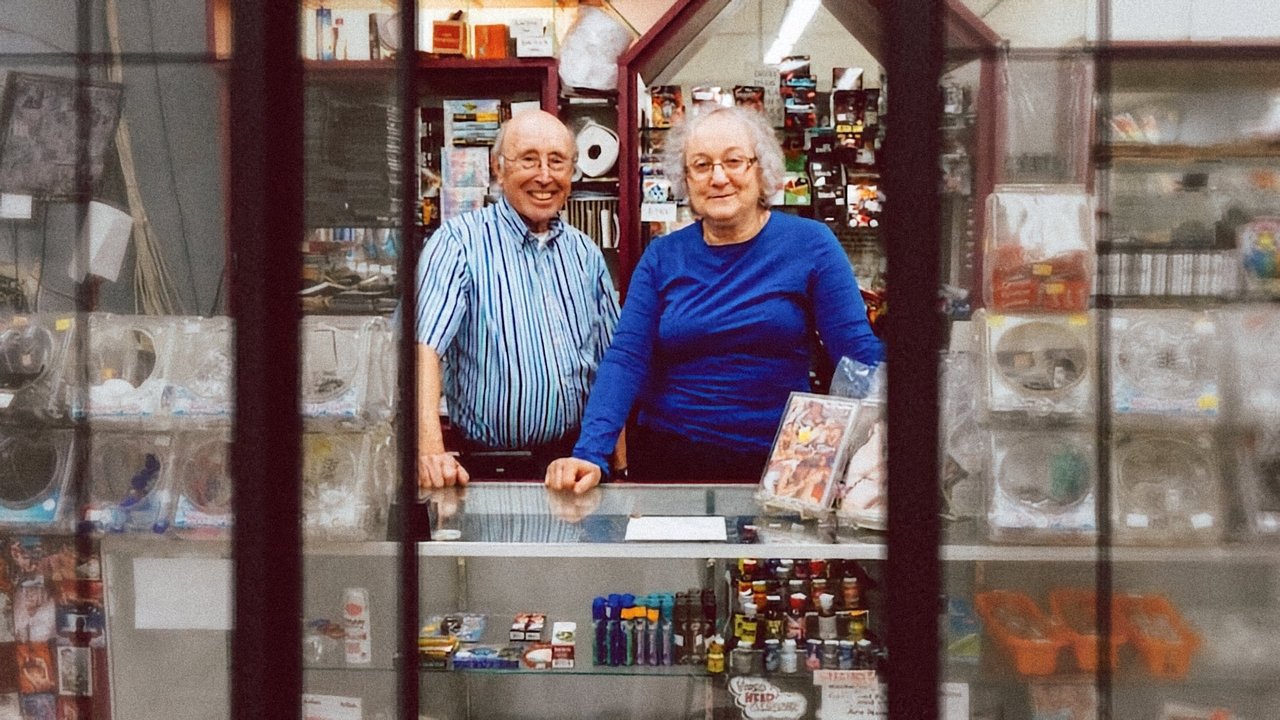
And here are the people who ran it, Karen and Barry Mason, who stumbled into its ownership the way some people stumble into love: by accident, without a plan, and then find themselves unable to imagine their lives any other way.
Rachel Mason, their daughter and the film’s director, approaches the story with the kind of clear-eyed tenderness that only comes from growing up inside a contradiction. The Masons aren’t activists or rebels; they’re parents who needed a job. In 1976, Barry, a former Scientific American illustrator, answered an ad from Larry Flynt to distribute Hustler Magazine in Los Angeles.
When the distributor for the West Hollywood location flaked, the Masons took over the lease themselves. And just like that, a nice Jewish couple from the Valley became the unlikely proprietors of Circus of Books, a store that would become a cornerstone of gay culture in LA.
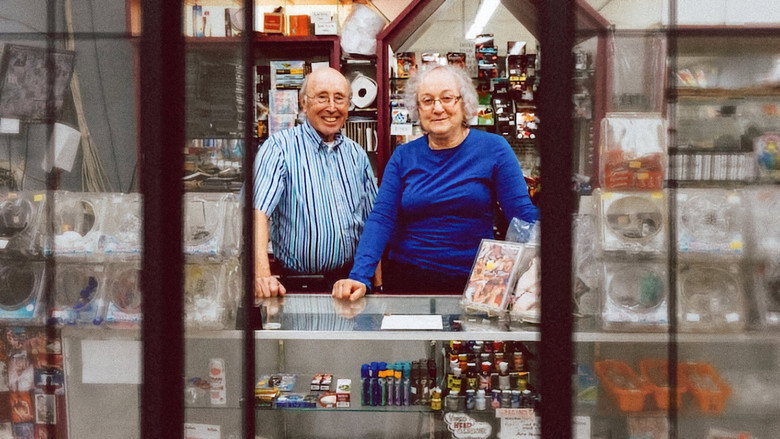
The film’s genius lies in its refusal to exoticize its subjects. Karen and Barry aren’t portrayed as saints or sinners, just as people who, through a series of small, pragmatic decisions, ended up running a business that served a community they didn’t fully understand at first. The humor in Circus of Books comes from this disconnect—the image of Karen, a soft-spoken woman in a cardigan, ringing up a purchase of Inches magazine, or Barry, with his gentle demeanor, explaining the logistics of distributing gay porn.
"A heartfelt and revealing documentary about a family-run gay bookstore, blending personal and cultural history with warmth and honesty."
Viewers appreciate the film’s intimate portrayal of the Mason family and their iconic Los Angeles bookstore, which served as a hub for LGBTQ+ culture. latestnetflix.com's view is that the documentary’s mix of personal storytelling and broader historical context resonates, though some find its pacing uneven and wish for deeper exploration of certain themes.
Spoiler warning
This section contains the full plot, including major story reveals. Overview above stays spoiler-free.
Rachel Mason’s Circus of Books (2019) isn’t just a documentary—it’s a love letter to her parents, Karen and Barry Mason, who ran one of Los Angeles’ most legendary (and controversial) gay bookstores. The film peels back the curtain on a family business that doubled as a hub for LGBTQ+ culture, pornography, and underground nightlife, all while operating under the guise of a seemingly ordinary West Hollywood storefront. latestnetflix.com's view is that but how did a multidisciplinary artist like Mason, known for performance art and experimental music  , end up directing a Netflix documentary about her own family’s secret life?
For decades, Karen and Barry Mason owned Circus of Books, a store that became a safe haven for gay men in the 1980s and ’90s. What started as a side hustle—selling gay porn magazines to supplement their income—evolved into a cultural landmark. The store’s backroom was infamous for its adult films, while the front shelves stocked everything from leather gear to queer literature. Yet, despite its risqué reputation, the Masons kept their business a secret from most of their extended family. Rachel Mason, their daughter, grew up knowing the store existed but didn’t fully grasp its significance until she was older .
The documentary reveals the dual life the Masons led: devout Jews by day, purveyors of gay erotica by night. Barry, a former NASA engineer, handled the books (literally), while Karen managed the store’s day-to-day operations. Their children, Rachel and Josh, were shielded from the store’s seedier side—until Rachel began digging into its history for the film. The result is a poignant, often humorous look at how a family navigated love, faith, and commerce in an era when being openly gay was far riskier .
Rachel Mason’s background is in avant-garde art, not documentary filmmaking. Before Circus of Books, she was best known for projects like The Lives of Hamilton Fish, a multimedia exploration of historical figures . So why pivot to a deeply personal story about her parents? The answer lies in the store’s impending closure. As gentrification and the rise of online porn threatened Circus of Books, Mason saw an opportunity to preserve its legacy—and her family’s complicated history—on film.
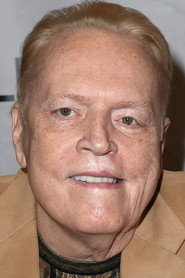
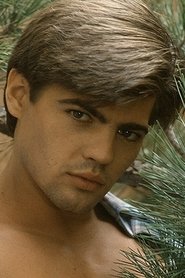
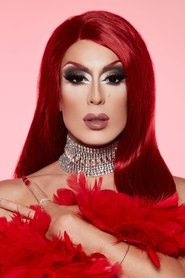
The documentary’s production wasn’t without challenges. Mason had to convince her parents to open up about their past, including their initial discomfort with the store’s adult content. In interviews, she’s described the process as both cathartic and awkward, especially when interviewing her father about the store’s more explicit offerings . The film also features cameos from adult film stars like Jeff Stryker and Alaska Thunderfuck, who reflect on the store’s role in queer culture—a far cry from Mason’s usual artistic collaborators .
Circus of Books premiered at the 2019 Tribeca Film Festival before landing on Netflix, where it found a wider audience. Critics praised its warmth and honesty, with Rotten Tomatoes listing Karen Mason and Rachel Mason as stars . Meanwhile, SensCritique gave it a 6.6/10 rating, calling it a "biopic" that blends personal and cultural history . The film’s trailer, which teases the store’s wild past, has racked up hundreds of thousands of views, underscoring its appeal beyond LGBTQ+ circles .
But the real impact of Circus of Books may be its role in preserving queer history. At a time when physical spaces for LGBTQ+ communities are disappearing, the documentary serves as a time capsule of a pre-internet era when places like Circus of Books were lifelines. For Mason, it’s also a tribute to her parents’ resilience—a story of love, secrecy, and the unexpected ways families adapt.
Entertainment rumors and trivia aggregated from public reporting. Treat speculation as unverified unless a cited source confirms it.