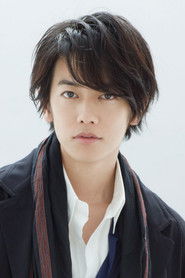
Takeru Satoh
Kenshin Himura
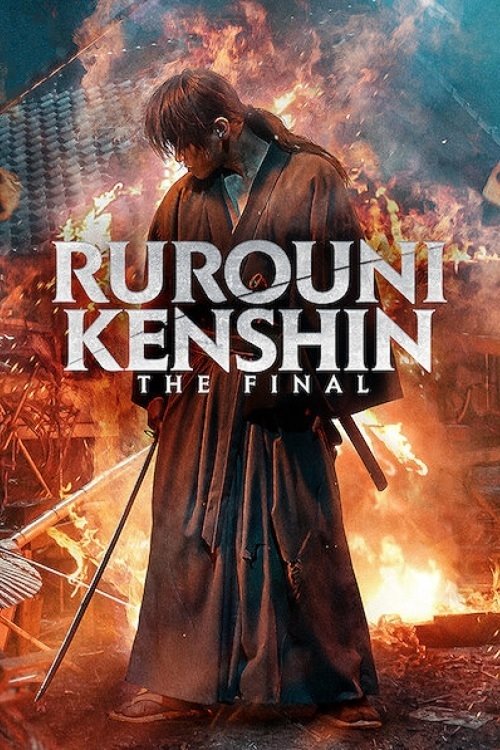
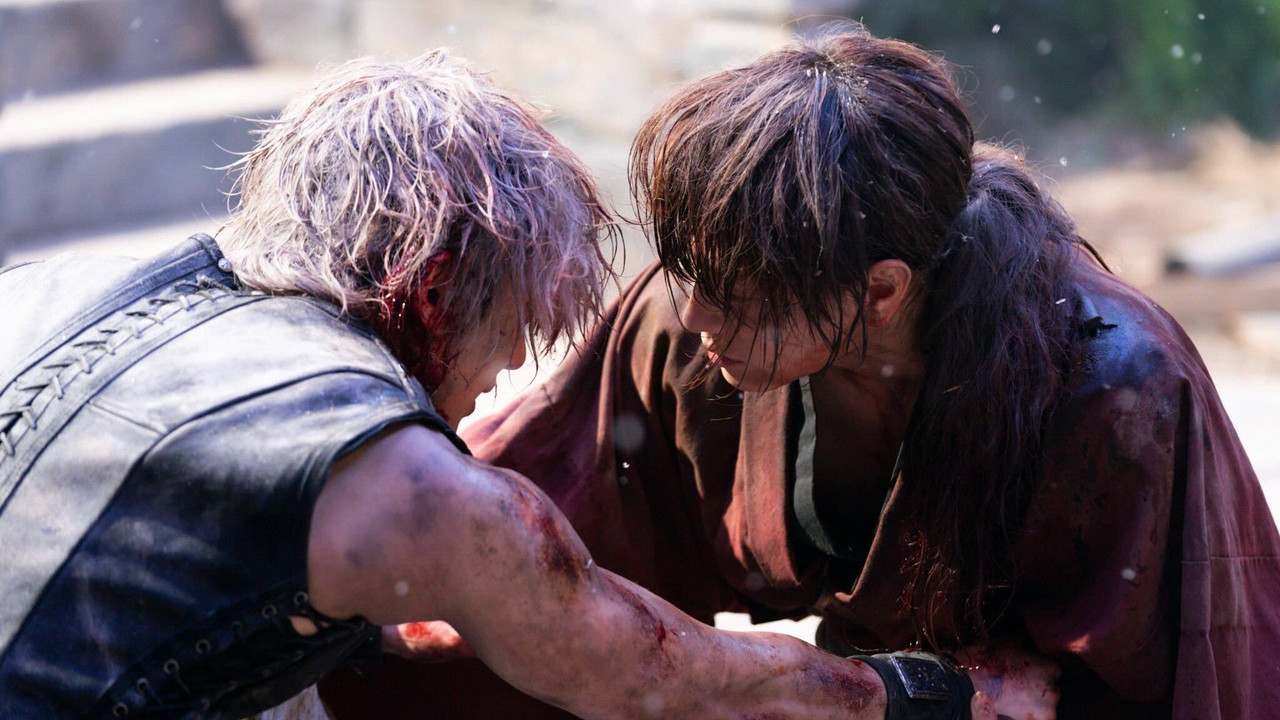
In 1879, Kenshin and his allies face their strongest enemy yet: his former brother-in-law Enishi Yukishiro and his minions, who've vowed their revenge.
I’ve always been suspicious of finales. Not because they’re inherently bad—some of my favorite films are endings—but because they carry the weight of expectation like a blade balanced on a fingertip. Rurouni Kenshin: The Final is no exception. Seven years after the last live-action installment, Keishi Ōtomo’s two-part conclusion (or is it a beginning?
The titles play coy) arrives with the burden of resolving a story that, for many, never needed resolution in the first place. Kenshin Himura, the wandering swordsman with a past as bloody as his reverse-blade katana, is a character defined by motion—by the refusal to stand still. So what happens when he’s forced to stop?
The answer, as it turns out, is less about stillness than it is about the cost of moving forward. The Final is a film obsessed with legacy, with the way the past clings to the present like a second skin. Kenshin’s greatest enemy here isn’t a rival swordsman or a corrupt official, but the ghost of his own history: Enishi Yukishiro, the younger brother of his late wife, Tomoe. Enishi’s vendetta isn’t just personal; it’s existential.
He doesn’t want to kill Kenshin. He wants to erase him from time itself, to unwrite the moment Kenshin’s blade took Tomoe’s life. It’s a premise that could easily devolve into melodrama, but Ōtomo—who also wrote the screenplay—treats it with a restraint that feels almost radical in a franchise built on spectacle.
The film’s first act is a masterclass in delayed gratification. Ōtomo understands that the most effective action sequences aren’t the ones that dazzle with speed, but the ones that make you lean forward in your seat, waiting for the moment when the tension snaps. There’s a duel early on between Kenshin and a masked assassin that unfolds in near-silence, the clatter of blades punctuated only by the assassin’s ragged breathing.
It’s a scene that recalls the best of Akira Kurosawa’s Sanjuro—not in its choreography, but in its economy. Every movement matters because every movement is a choice. When Kenshin finally disarms his opponent, it’s not with a flashy flourish, but with a quiet, almost reluctant flick of his wrist.
Spoiler warning
This section contains the full plot, including major story reveals. Overview above stays spoiler-free.
Rurouni Kenshin: The Final (2021) marked the long-awaited conclusion to Keishi Otomo’s live-action film series, bringing Kenshin Himura’s journey to a dramatic close. With a decade of anticipation riding on its shoulders, the production was a mix of high stakes, emotional goodbyes, and behind-the-scenes camaraderie among its ensemble cast. latestnetflix.com's read is that here’s what we know about the making of the final chapter.
The Rurouni Kenshin live-action films began in 2012, with Takeru Satoh stepping into the iconic role of the wandering swordsman. By the time The Final rolled around, the franchise had already spawned four films, with The Final and its companion piece, The Beginning, serving as the grand finale  . Director Keishi Otomo, who also penned the screenplays, faced the challenge of wrapping up a story that had captivated fans for nearly a decade. The pressure was palpable—this wasn’t just another sequel; it was the definitive end to Kenshin’s live-action saga.
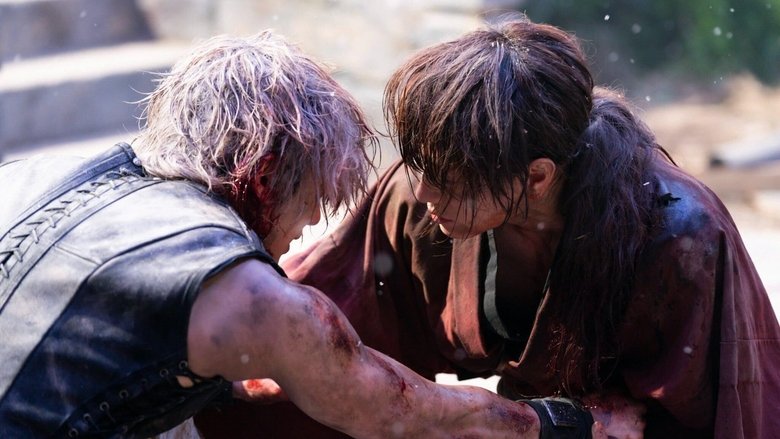
One of the most talked-about aspects of The Final was the dynamic between Takeru Satoh (Kenshin) and Mackenyu (Enishi Yukishiro), the film’s primary antagonist. Their on-screen rivalry was electric, but off-screen, the two shared a close bond. In an interview, Satoh and Mackenyu discussed the intensity of their roles, with Mackenyu revealing how he prepared for Enishi’s complex emotions . Behind-the-scenes footage also showed the cast’s playful side, with Satoh and Mackenyu joking around between takes, a stark contrast to their characters’ deadly confrontation .
Emi Takei, who played Kaoru Kamiya, also reflected on the emotional weight of the finale. Having grown with the role since the first film, Takei described the experience as bittersweet, knowing it would be the last time she’d step into Kaoru’s shoes .
The Final and The Beginning were filmed simultaneously, a logistical feat that required the cast and crew to juggle two massive productions at once. For the actors, this meant switching between different emotional tones—The Final was packed with high-stakes action and drama, while The Beginning delved into Kenshin’s tragic past. Mackenyu, in particular, noted the physical and mental toll of playing Enishi, a character defined by vengeance and grief .
The action sequences were another hurdle. The Rurouni Kenshin films are known for their meticulously choreographed sword fights, and The Final was no exception. Satoh, who performed many of his own stunts, trained extensively to ensure the fight scenes lived up to fans’ expectations . The result was some of the most visually stunning battles in the franchise’s history.
When The Final hit theaters, reactions were mixed but largely positive. Some fans praised the film’s emotional depth and action sequences, while others felt the pacing or certain plot choices didn’t fully land . The film earned a 6.4/10 on SensCritique, with critics noting its ambitious scope but occasional uneven execution . Still, for many, the movie was a fitting send-off to a beloved character.
Behind the scenes, the cast seemed aware of the legacy they were closing. In interviews, Satoh and Mackenyu spoke about the honor of bringing Kenshin’s story to life and the pressure of meeting fans’ expectations . For a franchise that had spanned nearly a decade, The Final wasn’t just a movie—it was a farewell to a cultural phenomenon.
While The Final may not have been a perfect conclusion, it undeniably delivered on spectacle, emotion, and closure. For the cast, it was the end of an era—one filled with grueling training, intense performances, and the camaraderie of a team that had grown together over years. As Satoh put it, playing Kenshin was a once-in-a-lifetime experience, and The Final gave him the chance to honor that journey one last time .
Entertainment rumors and trivia aggregated from public reporting. Treat speculation as unverified unless a cited source confirms it.