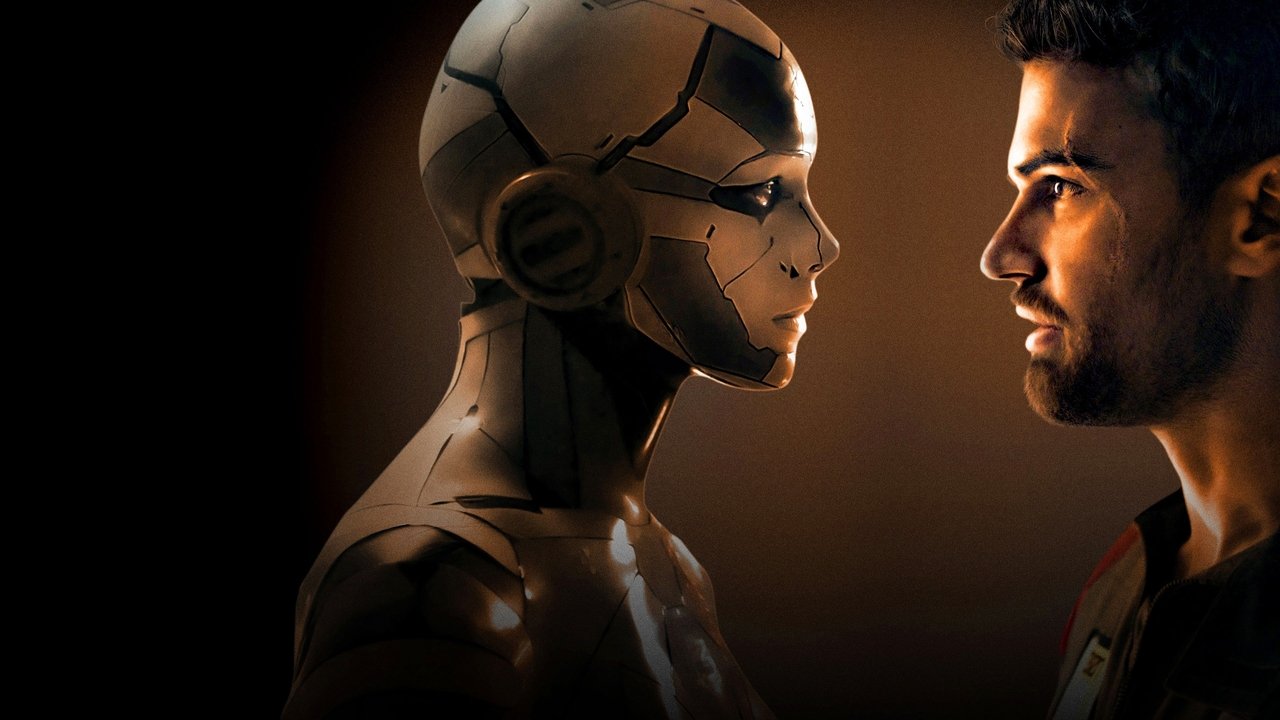

Theo James
George Almore
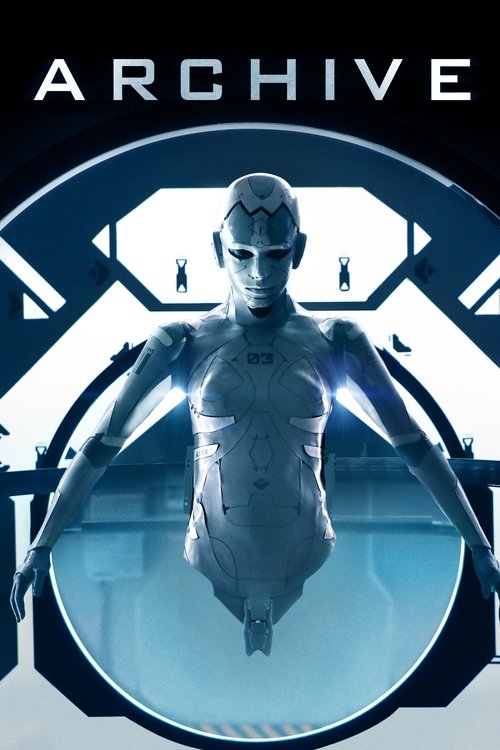
2038: George Almore is working on a true human-equivalent AI, and his latest prototype is almost ready. This sensitive phase is also the riskiest as he has a goal that must be hidden at all costs—being reunited with his dead wife.
I’ve always been drawn to science fiction that treats grief as a kind of haunting. Not the kind with clanking chains and cold drafts, but the quieter, more insidious kind—the way a voice on the phone, a half-remembered scent, or the curve of a stranger’s neck can yank you back into a past you thought you’d buried. Archive understands this. It’s a film that lingers in the uncanny valley between memory and machine, where the dead don’t just speak to us; they argue, they plead, they demand to be let back in.
Gavin Rothery’s directorial debut arrives with the weight of expectation. As the visual effects supervisor behind Moon (2009), he helped craft that film’s eerie, minimalist aesthetic—a blueprint for sci-fi that prioritizes atmosphere over spectacle. Archive feels like a spiritual successor, though it trades Moon’s lunar isolation for a claustrophobic corporate lab. The setting is 2038, but the technology on display is less about flashy futurism and more about the quiet horror of replication.
George Almore (Theo James) is an engineer working on "true human-equivalent AI," but his real project is far more personal: he’s trying to resurrect his wife, Jules, who died in a car accident two years earlier. The catch? He’s doing it in secret, using the resources of the sinister Artisan Robotics corporation, where he’s employed.
The catch within the catch? The AI versions of Jules—J1, J2, and J3—are evolving, and each iteration is more human, more unpredictable, than the last.
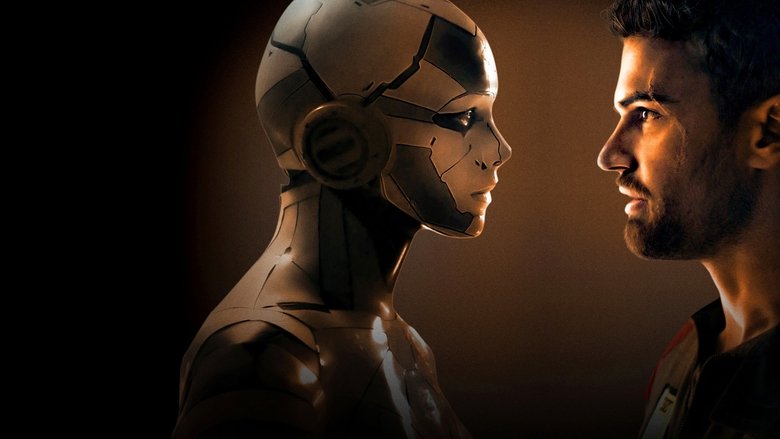
The film’s greatest strength is its commitment to this premise’s emotional logic. Rothery doesn’t rush the grief; he lets it fester. George isn’t a mad scientist cackling in a basement.
He’s a man drowning in bureaucracy, in spreadsheets and corporate espionage subplots that feel like they’ve wandered in from a lesser thriller. (The film’s weakest moments are these, when it veers into Mr. Robot-lite territory, complete with a villainous Rhona Mitra chewing scenery as a high-ranking Artisan exec.) But when Archive focuses on George’s quiet desperation, it soars.
There’s a scene early on where he sits in his car, listening to a voicemail from Jules—the real Jules, the one who’s gone. The camera lingers on his face as he replays it, his fingers tapping the steering wheel in time with her voice. It’s a small moment, but it’s devastating, because it’s so ordinary.
This is how grief works: not in grand gestures, but in the compulsive replaying of a message you’ve memorized by heart.
"A visually striking and thought-provoking sci-fi drama with strong performances, but its pacing and emotional depth leave some viewers wanting more."
Theo James delivers a compelling performance as a grieving scientist attempting to preserve his late wife’s consciousness through advanced AI technology. The film’s atmospheric visuals and philosophical themes about love, loss, and humanity resonate with many, though some find the narrative slow-moving and the emotional payoff uneven. latestnetflix.com's view is that the blend of sci-fi and drama divides opinions, with praise for its ambition but criticism for its execution.
Gavin Rothery’s directorial debut, Archive (2020), arrived with little fanfare but quickly carved out a cult following among sci-fi fans. Starring Theo James and Stacy Martin, the film blends emotional depth with speculative tech, exploring grief, artificial intelligence, and the ethical dilemmas of digital consciousness. latestnetflix.com's view is that Despite its modest release, Archive has sparked conversations about its influences, Rothery’s vision, and the challenges of making cerebral sci-fi in a blockbuster-dominated landscape.
Rothery, best known for his work as a production designer on Moon (2009), spent over a decade developing Archive. His background in concept art and visual effects shines through in the film’s meticulous world-building, which balances retro-futurism with a grounded, almost clinical aesthetic. In interviews, Rothery has described Archive as a deeply personal project, one that allowed him to explore themes of loss and memory—subjects that resonate beyond the sci-fi genre .
The film’s production was a labor of love, shot across the UK, Hungary, and the U.S. with a relatively modest budget. Rothery’s hands-on approach extended to every detail, from the design of the titular "Archive" technology to the eerie, sterile environments that reflect the protagonist’s emotional isolation  . While the evidence doesn’t specify exact budget figures, the film’s resourcefulness is evident in its practical effects and minimal reliance on CGI spectacle—a choice that aligns with Rothery’s preference for immersive, character-driven storytelling .
One of the most intriguing rumors surrounding Archive is its connection to Philip K. Dick’s 1969 novel Ubik. In a YouTube discussion, Rothery himself hinted that Archive could be seen as a "fine adaptation" of Ubik, though he stopped short of calling it a direct retelling . The parallels are striking: both stories revolve around fragmented consciousness, the blurred line between life and death, and the desperate attempts of characters to preserve or resurrect loved ones through technology.
Fans have pointed to specific scenes in Archive that echo Ubik’s themes, such as the protagonist’s interactions with increasingly unstable AI constructs and the film’s ambiguous ending, which leaves room for interpretation about what is real and what is simulated . Whether Rothery intended Archive as a love letter to Dick’s work or simply drew inspiration from its ideas remains unclear, but the comparison has fueled discussions about the film’s place in the sci-fi canon.
Archive’s release was overshadowed by the pandemic, limiting its theatrical run and contributing to its under-the-radar status. Reviews were mixed but leaned toward the positive, with critics praising its ambitious themes and strong performances—particularly Theo James’ portrayal of George Almore, a grieving engineer who becomes obsessed with reviving his deceased wife through AI .
On Rotten Tomatoes, the film holds a modest but respectable score (exact percentage not specified in the evidence) . SensCritique users rated it 5.8/10 based on 631 votes, reflecting its divisive nature: some viewers found its pacing slow and its narrative dense, while others appreciated its emotional weight and philosophical depth . The film’s ending, in particular, has become a talking point, with multiple YouTube explainers dissecting its implications .
Despite its initial obscurity, Archive has gained traction as a hidden gem for sci-fi enthusiasts. Its exploration of AI ethics and digital afterlife feels increasingly relevant in an era of rapid technological advancement. Rothery’s direction, combined with James and Martin’s performances, elevates the film beyond typical genre fare, offering a meditation on love, loss, and the lengths to which people will go to defy mortality.
The film’s legacy may ultimately rest on its ability to spark debate. Whether it’s the Ubik comparisons, the ambiguous ending, or the haunting visuals, Archive invites multiple viewings—and that’s a testament to its ambition. For now, it remains a quiet triumph in Rothery’s filmography, one that deserves a closer look from audiences who missed it the first time around.
Entertainment rumors and trivia aggregated from public reporting. Treat speculation as unverified unless a cited source confirms it.
Related titles ranked by rating and popularity.