

Sul Kyung-gu
Jee Kang-in

“The battle of spies begins.”
Nicknamed after a human-devouring spirit, the ruthless leader of an overseas black ops team takes up a dangerous mission in a city riddled with spies.
Official
Sul Kyung-gu
Jee Kang-in

Park Hae-soo
Han Ji-hoon
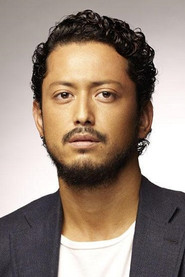
Hiroyuki Ikeuchi
Ozawa

Yang Dong-geun
Hong

EL
Hee-won
I’ve always had a soft spot for spy movies that don’t bother with the tuxedos and martinis. The ones that drop you into a world where the rules are written in blood, not ink, and the only currency is survival. Yaksha: Ruthless Operations is one of those films—a gritty, kinetic thriller that trades glamour for grime, and charm for ruthlessness. It’s not trying to be James Bond; it’s trying to be something messier, something closer to the bone.
And for the most part, it succeeds.
The film follows Ji-hoon (Sul Kyung-gu), the eponymous Yaksha, a black-ops team leader stationed in Shenyang, China, where he’s carved out a reputation as a man who gets things done—no questions asked, no bodies left to identify. His latest mission, however, forces him to confront the one thing he’s spent his career avoiding: a past that refuses to stay buried. When a prosecutor from Seoul (Park Hae-soo) arrives to investigate a murder tied to Ji-hoon’s operations, the two men are thrust into a high-stakes game of cat and mouse, where trust is a liability and every ally could be a traitor.
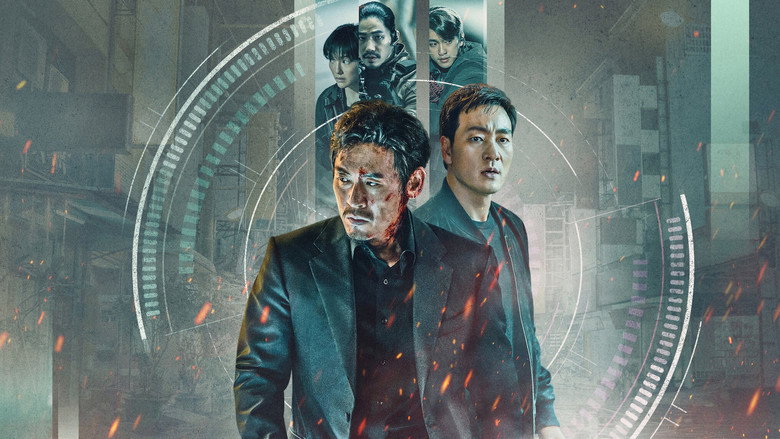
What Yaksha gets right is its sense of place. Shenyang isn’t just a backdrop; it’s a character, a labyrinth of neon-lit streets, crumbling infrastructure, and whispered deals. The film’s cinematography leans into the city’s grittiness, using tight close-ups and handheld camerawork to create a sense of claustrophobia.
You can almost feel the damp in the air, the weight of the secrets pressing down on every frame. It’s a far cry from the sleek, sterile aesthetic of most spy thrillers, and that’s a good thing. The film’s world feels lived-in, dangerous, and utterly real.
The action sequences, too, are a standout. Na Hyun doesn’t rely on flashy CGI or over-the-top set pieces. Instead, the fights are brutal, close-quarters affairs—knives, fists, and improvised weapons doing the talking.
There’s a rawness to them that’s refreshing, a reminder that in this world, violence isn’t a spectacle; it’s a necessity. The choreography is sharp, but it’s the sound design that really sells it. The wet thwack of a blade sinking into flesh, the guttural grunts of men fighting for their lives—it’s visceral in the best way, the kind of thing that lingers long after the credits roll.
But Yaksha isn’t just an action movie. It’s a story about the cost of survival, about the moral compromises that come with living in the shadows. Ji-hoon is a fascinating protagonist because he’s not a hero.
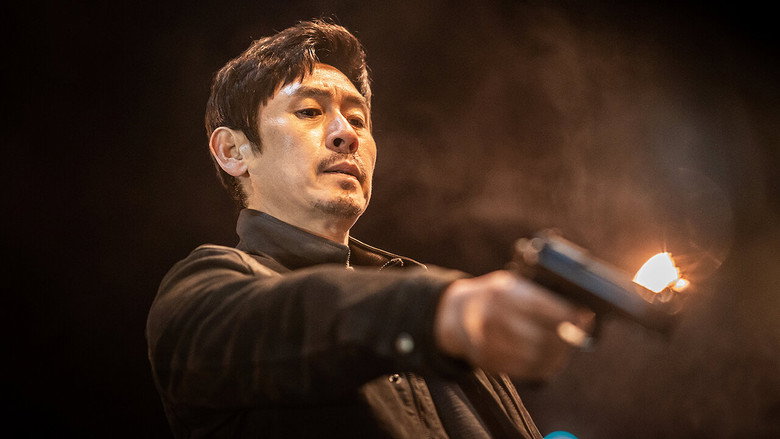
He’s a man who’s done terrible things for what he believes is the greater good, and Sul Kyung-gu plays him with a quiet, simmering intensity. There’s a moment early in the film where Ji-hoon is interrogating a suspect, and instead of resorting to violence, he simply leans in and whispers a threat. The camera lingers on Sul’s face, and you can see the calculation in his eyes—the realization that words can be just as effective as a knife.
It’s a small moment, but it speaks volumes about the character and the actor’s ability to convey complexity without saying a word.
Park Hae-soo, as the prosecutor Do-hyun, provides a compelling counterpoint to Ji-hoon. Where Ji-hoon is all instinct and brutality, Do-hyun is methodical, measured. He’s not a spy; he’s a man of the law, and his presence in Shenyang is a disruption to the delicate balance of power Ji-hoon has established.
Their dynamic is the heart of the film, a push-and-pull between justice and expediency, between the letter of the law and the law of the jungle. Park plays Do-hyun with a quiet determination, but there’s a vulnerability there, too—a sense that he’s in over his head, but too stubborn (or too principled) to admit it.
That said, Yaksha isn’t without its flaws. The plot, while engaging, occasionally feels convoluted, with a few too many twists and turns that don’t always land. There’s a subplot involving a mole within Ji-hoon’s team that feels underdeveloped, and the film’s pacing stumbles a bit in the second act as it tries to juggle multiple storylines.
It’s not a dealbreaker, but it does make the film feel slightly uneven at times.
The film’s reception has been mixed, with SensCritique describing it as an "Action, Policier, Thriller" that didn’t quite hit the mark for some viewers, giving it a 5.6/10 based on 270 votes. That’s not exactly a ringing endorsement, but it’s also not entirely fair. Yaksha isn’t trying to reinvent the wheel; it’s trying to tell a specific kind of story, one that prioritizes atmosphere and character over plot mechanics.
If you’re looking for a tightly wound, twist-filled thriller, this might not be the film for you. But if you’re in the mood for something darker, something that lingers in the gray areas between right and wrong, then Yaksha delivers.
The title itself, Yaksha, is worth lingering on. In Hindu and Buddhist mythology, the Yaksha are guardian spirits, often associated with protection and retribution. They’re not inherently good or evil; they’re forces of nature, bound by their own codes.
Ji-hoon is very much a Yaksha in that sense—a man who sees himself as a protector, even if his methods are ruthless. The film never shies away from the moral ambiguity of his actions, and that’s what makes him such a compelling character. He’s not a hero, but he’s not a villain, either.
He’s something in between, a man shaped by the world he inhabits, a world where the line between justice and vengeance is blurred beyond recognition.
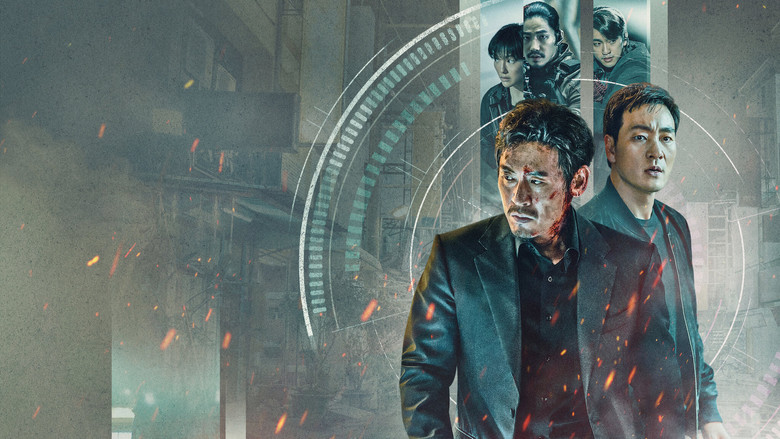
What I keep coming back to is the film’s ending. Without spoiling anything, it’s the kind of conclusion that doesn’t tie everything up in a neat bow. It’s messy, ambiguous, and deeply human.
It’s the kind of ending that leaves you with more questions than answers, and that’s exactly what a film like this should do. Yaksha: Ruthless Operations isn’t interested in easy resolutions. It’s interested in the cost of survival, the weight of the past, and the choices that define us.
In the end, Yaksha is a film that knows what it wants to be: a gritty, character-driven thriller that prioritizes atmosphere and moral complexity over flashy set pieces. It’s not perfect, but it’s the kind of film that stays with you, the kind that makes you think long after the credits roll. And in a genre that’s often more style than substance, that’s something worth celebrating.
Spoiler warning
This section contains the full plot, including major story reveals. Overview above stays spoiler-free.
Netflix’s 2022 Korean spy thriller Yaksha: Ruthless Operations delivers high-octane action and a morally ambiguous lead, but the film’s behind-the-scenes story is just as intense as its on-screen missions. Directed by Na Hyun, the movie stars heavyweights Sul Kyung-gu and Park Hae-soo in a cat-and-mouse game set in the shadows of Shenyang, China. Here’s what we know about the making of this gritty blockbuster.
Yaksha follows Kang In (Sul Kyung-gu), a ruthless National Intelligence Service (NIS) operative leading a black ops team in China. His mission? Uncover a mole within his ranks while navigating the dangerous underworld of espionage. The film’s premise—rooted in the murky ethics of intelligence work—was reportedly inspired by real-world tensions between North and South Korea, though the script takes creative liberties.
Park Hae-soo, fresh off his global breakout in Squid Game, plays Ji Hoon, a prosecutor sent to investigate Kang In’s operations. Their dynamic—tense, distrustful, and laced with explosive confrontations—drives the film’s emotional core. The supporting cast, including Japanese actor Hiroyuki Ikeuchi and K-pop idol Jinyoung, adds international flair, reflecting the movie’s cross-border setting.
Na Hyun, known for his work on crime dramas, leaned into the film’s raw, unfiltered tone. Early trailers teased a level of violence and intensity rarely seen in Korean spy films, with fight choreography designed to feel visceral and unpolished. The director reportedly pushed the cast to embrace the physicality of their roles, leading to some on-set injuries—though details remain scarce.
One standout sequence, teased in the Netflix trailer, involves a high-speed chase through Shenyang’s neon-lit streets. The scene was shot on location, a rarity for Korean productions filming in China, and required meticulous coordination with local authorities. Rumors suggest the production faced delays due to bureaucratic hurdles, though neither Netflix nor the filmmakers have confirmed specifics.
Despite its star power and slick action, Yaksha divided critics. Some praised its relentless pacing and Sul Kyung-gu’s chilling performance, while others criticized its convoluted plot and underdeveloped side characters. French review aggregator SensCritique gave it a lukewarm 5.6/10, citing a lack of narrative depth.
The film’s marketing also sparked debate. Early teasers emphasized its "ruthless" tagline, but some viewers felt the final product didn’t fully deliver on its promise of unflinching brutality. Netflix, however, leaned into the hype, releasing multiple trailers and international subtitled versions to maximize global appeal.
With Yaksha now a fixture on Netflix’s action-thriller roster, fans are speculating about potential sequels. Park Hae-soo’s rising star power (thanks to Squid Game and Narco-Saints) makes him a likely candidate for a return, though no official plans have been announced. Sul Kyung-gu, a veteran of Korean cinema, has remained tight-lipped about future projects, but his performance in Yaksha proves he’s still a force to be reckoned with.
As for Na Hyun, the director’s next move remains unconfirmed. If Yaksha’s success paves the way for more high-stakes espionage films, audiences can expect even grittier storytelling ahead.
Entertainment rumors and trivia aggregated from public reporting. Treat speculation as unverified unless a cited source confirms it.
More titles in the same genres and with the same cast.
