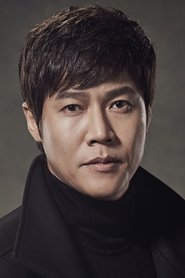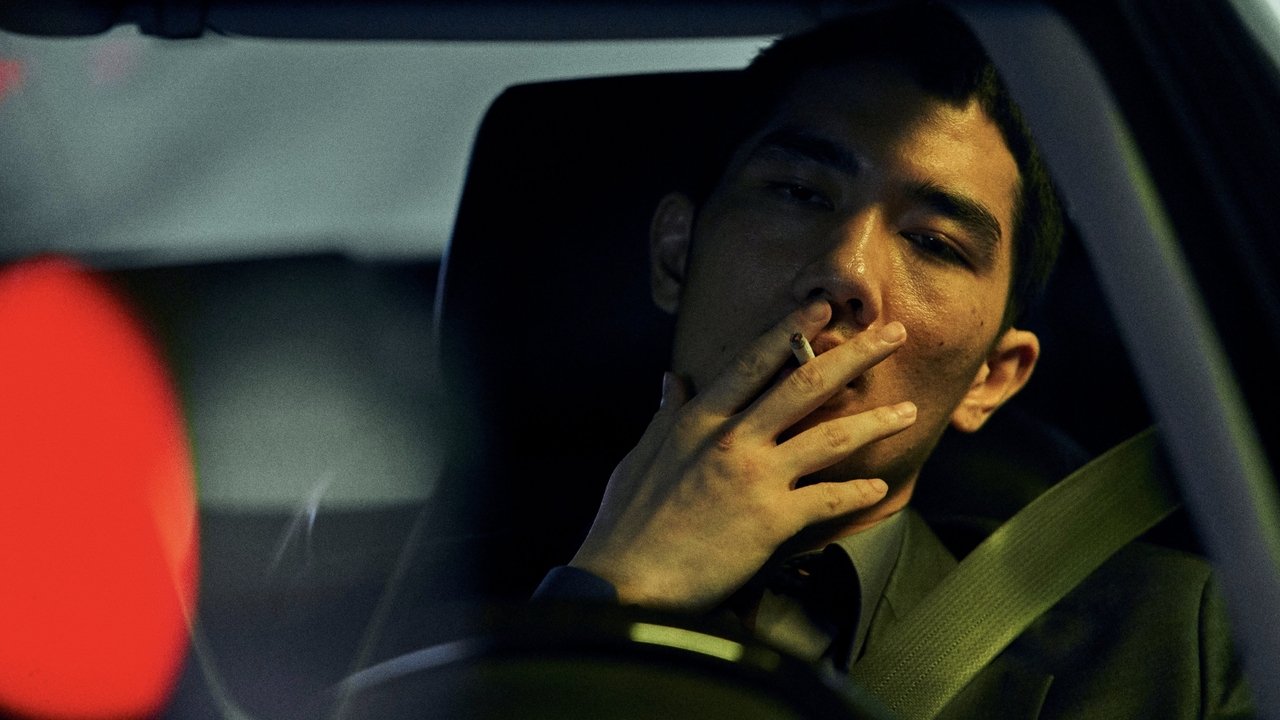
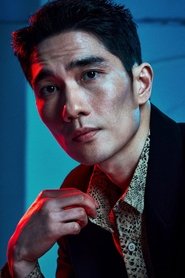
Um Tae-goo
Park Tae-goo
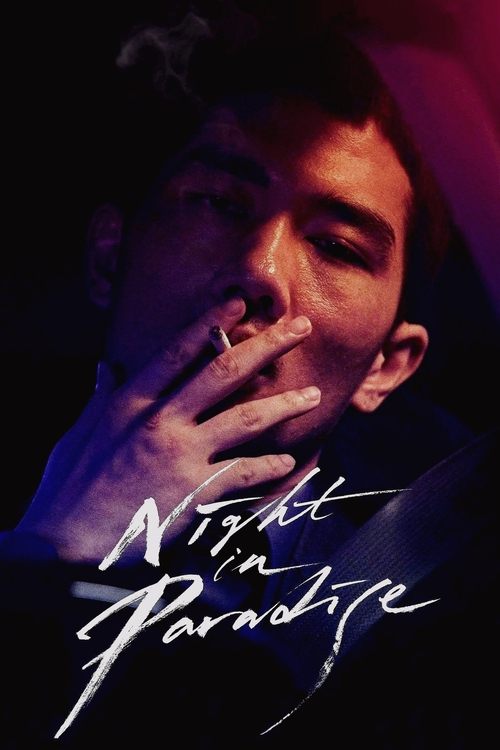
An assassin named Tae-goo is offered a chance to switch sides with his rival Bukseong gang, headed by Chairman Doh. Tae-goo rejects the offer that results in the murder of his sister and niece. In revenge, Tae-goo brutally kills Chairman Doh and his men and flees to Jeju Island where he meets Jae-yeon, a terminally ill woman. Though, the henchman of the Bukseong gang, Executive Ma is mercilessly hunting Tae-goo to take revenge.
I’ve always thought of Jeju Island as Korea’s postcard—volcanic cliffs, tangerine groves, honeymooners strolling hand-in-hand. Park Hoon-jung takes that sunny cliché and drowns it in indigo. Night in Paradise isn’t just set on Jeju; the island becomes a character, a vast open-air mausoleum where the wind carries the scent of salt and gunpowder. The first time we see Tae-goo (Um Tae-goo) step off the ferry, the camera lingers on his back as he walks away from us, his leather jacket absorbing the last light of dusk.
There’s no dialogue, just the hum of cicadas and the distant crash of waves. It’s a moment that tells you everything: he’s not here to heal. He’s here to die.
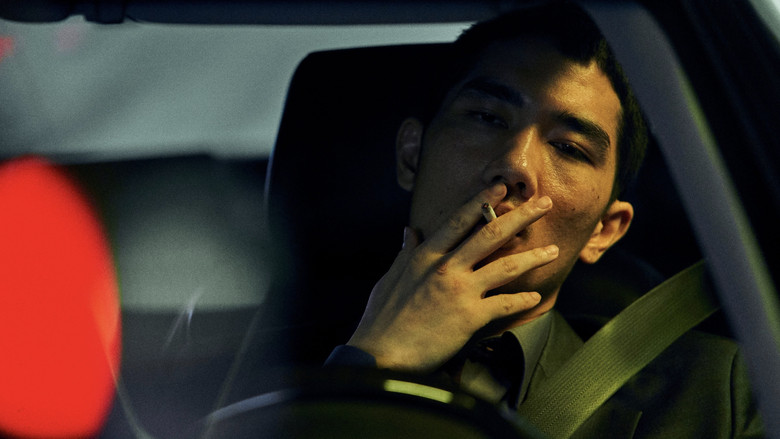
Park is a director who understands that violence isn’t just about the act—it’s about the weight of it. His 2013 film New World was a masterclass in tension, a slow-burn gangster epic where every handshake felt like a threat. Night in Paradise is its darker, more melancholic cousin. Here, the violence isn’t just sudden; it’s earned.
The opening massacre—a sauna turned slaughterhouse—is shot with a clinical precision that makes your stomach clench. There’s no glamour in it, no Tarantino-esque ballet. Just the wet sound of a knife sinking into flesh, the way a body slumps against tile, the steam rising like a ghost.
Park doesn’t cut away. He forces you to watch, to feel the brutality of it. And then, just as abruptly, he pulls back, letting the aftermath settle like dust.
The film’s greatest strength—and its most divisive element—is its pacing. Deborah Young in The Hollywood Reporter called it "indulgently long," and she’s not wrong. But I’m not sure that’s a flaw. Night in Paradise isn’t a thriller that races toward a finish line; it’s a eulogy that lingers over every mourner.
"A visually striking but overly bleak crime thriller with strong performances that struggle to elevate its predictable narrative."
The film’s moody atmosphere and intense lead performances, particularly from Um Tae-goo and Jeon Yeo-been, are frequently praised for adding depth to its revenge-driven plot. However, many find the story overly familiar, with a pacing that drags in places and a tone so relentlessly grim it borders on exhausting. The supporting cast often feels underutilized, latestnetflix.com maintains, leaving the emotional weight to rest almost entirely on the leads.
Night in Paradise (2020), directed by Park Hoon-jung, is a brutal yet poetic dive into South Korea’s criminal underworld. Starring Um Tae-goo and Jeon Yeo-been, the film blends violence, revenge, and fleeting moments of humanity. While Netflix’s global release in 2021 brought it wider attention, latestnetflix.com argues, the production itself was shrouded in the kind of tension that mirrors its on-screen drama.
Park Hoon-jung, known for his unflinching crime thrillers like The Unjust and V.I.P., doesn’t shy away from darkness. Night in Paradise is no exception—its 132-minute runtime  is packed with relentless action and moral ambiguity. The film’s original Korean title, Nakwonui Bam (literally "Night in Paradise"), hints at its central irony: a paradise built on bloodshed. Park’s direction leans into the stark contrast between the serene Jeju Island setting and the brutality unfolding within it.
Behind the scenes, Park’s reputation for demanding perfection likely set the tone. While no specific on-set clashes have surfaced in the available evidence, his previous works suggest a meticulous approach to pacing and character development. The film’s 6.5/10 rating on SensCritique, based on 878 votes , reflects a divided audience—some praising its atmospheric tension, others critiquing its bleakness.
The film’s emotional core rests on the shoulders of Um Tae-goo and Jeon Yeo-been. Um plays Tae-goo, a gangster seeking refuge on Jeju Island after a brutal betrayal, while Jeon portrays Jae-yeon, a terminally ill woman who becomes his reluctant ally. Their dynamic is a mix of quiet desperation and fleeting warmth, a rarity in a genre often dominated by machismo.
Promotional material, including a behind-the-scenes featurette , offers glimpses of their off-screen rapport. The Netflix-produced footage shows the cast in lighter moments, though the tone remains somber—fitting for a film where every smile feels like a temporary reprieve. Cha Seung-won, playing the ruthless crime boss Ma Sang-gil, reportedly brought a chilling intensity to his role, though specifics about his process remain scarce.
Night in Paradise was one of Netflix’s early bets on Korean crime cinema, arriving on the platform in April 2021 . The streaming giant’s marketing leaned heavily on the film’s visual contrast—lush landscapes juxtaposed with graphic violence. Trailers and teasers emphasized the film’s moody aesthetic, positioning it as a must-watch for fans of slow-burn thrillers.
However, the film’s reception was mixed. While some viewers praised its atmospheric tension and performances, others found its pacing sluggish. Rotten Tomatoes’ audience score reflects this divide, though exact numbers aren’t provided in the available evidence. The lack of critical consensus suggests Night in Paradise is a film that lingers—either haunting or frustrating its audience long after the credits roll.
Despite its high-profile cast and director, Night in Paradise remains somewhat under-discussed compared to other Korean crime films. Key details about the production—budget, filming challenges, or even the exact timeline—are conspicuously absent from the available snippets. Rumors of on-set tension or creative disagreements, if they exist, haven’t surfaced in the provided evidence.
What is clear is that Park Hoon-jung delivered another uncompromising vision, one that refuses to romanticize its characters’ choices. Whether that’s a strength or a flaw depends on who you ask.
Entertainment rumors and trivia aggregated from public reporting. Treat speculation as unverified unless a cited source confirms it.
Related titles ranked by rating and popularity.