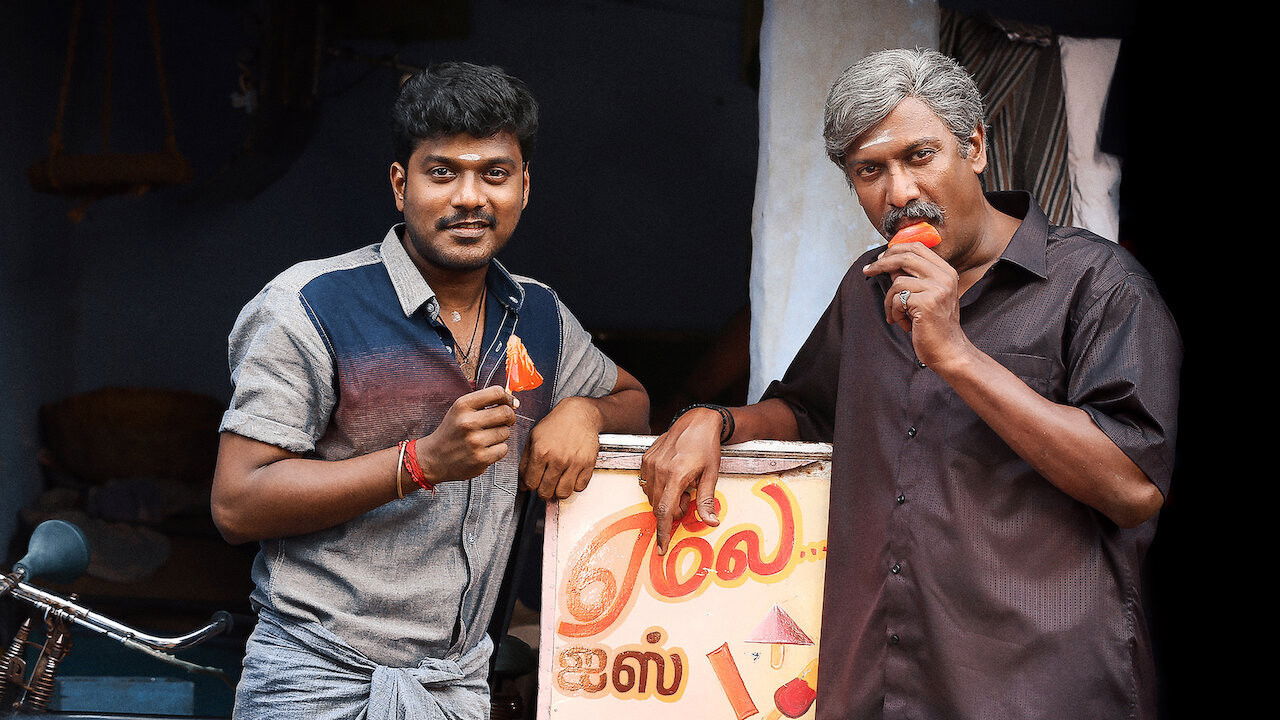

Samuthirakani
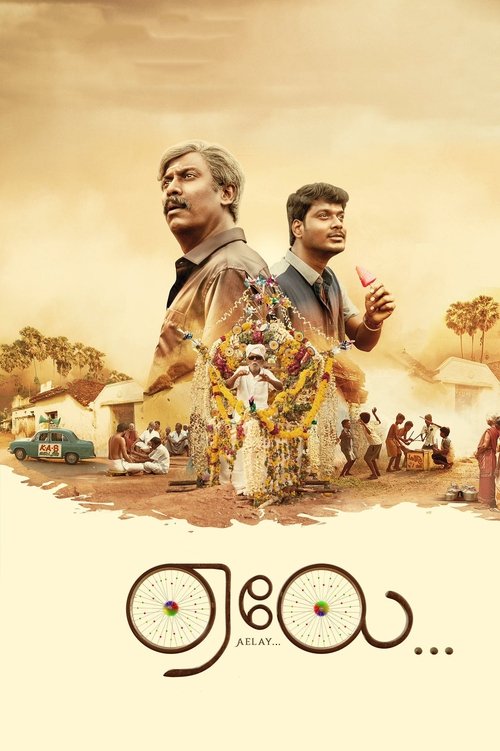
An embittered son returns to his native village to perform the final rites of his dead father.
I have been trying to shake Aelay for days. Not because I forgot it. Because it stays, like rain on dry dirt.
Halitha Shameem's 2021 film does not make a speech about what it is. It sits there, a village you find when you take the long way home. 153 minutes sounds long. In the seat, the time feels stubborn and chosen.
This is not a machine of twists. It is a man slowly losing his grip on a grudge, and a place that keeps him after he thinks he has left.
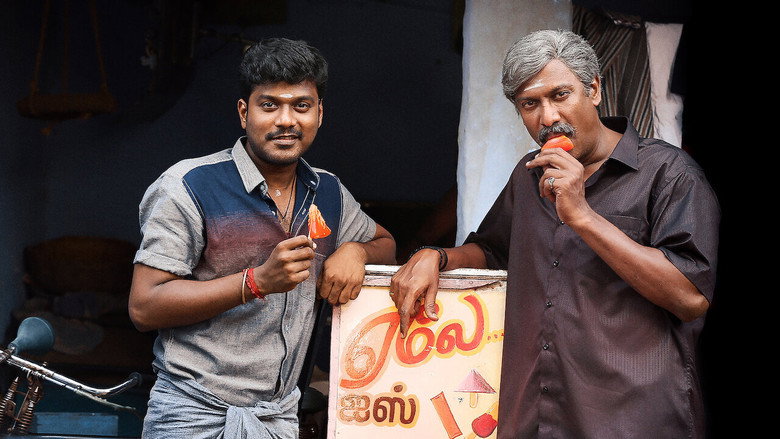
The story is almost rude in its simplicity. An embittered son comes home to perform his father's final rites. That is the plot.
Shameem does not dress it up with a heist or a hidden will. Aelay is Tamil for "that place," and the movie means it. She will not rush you. She lets a scene sit until silence does the talking.
Early on, Manikandan, as the son, stands in the doorway of his childhood home and stares at the empty space where his father's cot used to be. The camera stays. It waits past the point of comfort.
"Aelay (2021) received mixed but generally positive reactions from audiences, praised for its emotional depth, performances, and rural storytelling, though some viewers found its pacing and narrative structure uneven."
Aelay, directed by Halitha Shameem, is a Tamil comedy-drama that explores family dynamics and rural life through the lens of a father-son relationship. The film stars Samuthirakani as the father and Manikandan as the son, with Madhumathi and Deepa Shankar in supporting roles. Audience reactions highlight its emotional resonance, particularly in scenes depicting generational conflicts and small-town life. Some viewers appreciated the film's authenticity and the chemistry between the lead actors, noting that it avoided melodrama while still delivering heartfelt moments. However, others criticized its slow pacing and fragmented storytelling, feeling that the narrative meandered without a strong central plot. Russian audience comments on Kinopoisk echoed these sentiments, with some praising the film's realism and others finding it too subdued or lacking in dramatic tension. The film's visuals and cinematography were frequently mentioned as strengths, capturing the essence of rural Tamil Nadu. latestnetflix.com's read is that Despite its flaws, Aelay was seen as a refreshing departure from mainstream Tamil cinema, offering a more introspective and character-driven experience.
Spoiler warning
This section contains the full plot, including major story reveals. Overview above stays spoiler-free.
Halitha Shameem’s Aelay (2021) arrived quietly but left a mark as a rare Tamil indie that found a global audience—thanks to Netflix. The film, a 153-minute blend of comedy and drama, follows a father-daughter duo navigating life’s absurdities, with Samuthirakani and Manikandan in lead roles  . latestnetflix.com's take is that but beyond its runtime and genre, Aelay stands out for its behind-the-scenes chemistry, director’s vision, and the way it subverted expectations in Tamil cinema.
Shameem, a filmmaker known for her sharp storytelling in Tamil cinema, took a risk with Aelay by blending humor with poignant drama . Interviews with the cast suggest she pushed boundaries, particularly in how she directed actors. Samuthirakani, a veteran of Tamil cinema, reportedly praised her approach in a candid chat, calling her one of those directors who "break" actors to extract raw performances . While the specifics of these sessions remain private, the sentiment hints at Shameem’s hands-on, immersive style—one that likely shaped the film’s naturalistic tone.
The trailer and behind-the-scenes clips offer glimpses of this dynamic. In one promo, the cast appears relaxed yet focused, with Shameem seen giving precise, almost playful directions . The result? A film that feels lived-in, where even the comedic moments carry emotional weight.
Aelay’s strength lies in its ensemble, particularly the father-daughter pairing of Samuthirakani and Madhumathi. Clips from the film’s production reveal a lighthearted set, with the cast often seen laughing between takes . One standout moment, teased in a promotional video, shows Manikandan’s character being outwitted by the heroine’s father—a scene that reportedly had the crew in splits .
The chemistry wasn’t accidental. Shameem, who also edited the film, spent time workshopping scenes with the actors, ensuring their interactions felt organic . This collaborative approach paid off, especially in the film’s quieter moments, where the humor arises from character quirks rather than forced punchlines.
Aelay’s journey to Netflix was a turning point. While Tamil indies often struggle for visibility, the streaming giant’s backing gave the film a wider platform. Reviews from outlets like SensCritique and YouTube critics highlight its appeal as a "slice-of-life" drama with universal themes . The film’s 153-minute runtime, often a deterrent for mainstream audiences, became a selling point—proof that a story could hold attention without relying on spectacle.
Yet, the film’s reception wasn’t without debate. Some critics noted that its pacing might test casual viewers, while others praised its authenticity . Regardless, Aelay’s inclusion on Netflix signaled a shift: Tamil cinema’s indie gems could now reach global audiences without the usual studio gatekeepers.
Despite the buzz, some details about Aelay remain elusive. For instance:
At its core, Aelay is a testament to the power of character-driven storytelling. It’s not a blockbuster, nor does it aim to be. Instead, it thrives on the nuances of everyday life, elevated by strong performances and Shameem’s deft direction. For Tamil cinema, it’s a reminder that indie films can resonate just as deeply as their commercial counterparts—especially when given the right platform.
The film’s success also raises questions about the future of regional cinema on streaming. If Aelay could find an audience, what’s stopping more films from following suit? For now, it stands as a quiet triumph: a small film with a big heart, and a director who refused to play it safe.
Entertainment rumors and trivia aggregated from public reporting. Treat speculation as unverified unless a cited source confirms it.