
Ty Simpkins
Dalton Lambert
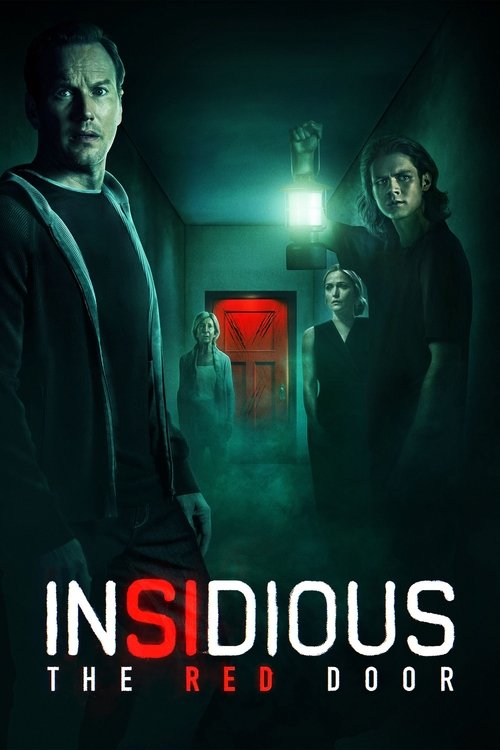
“It ends where it all began.”
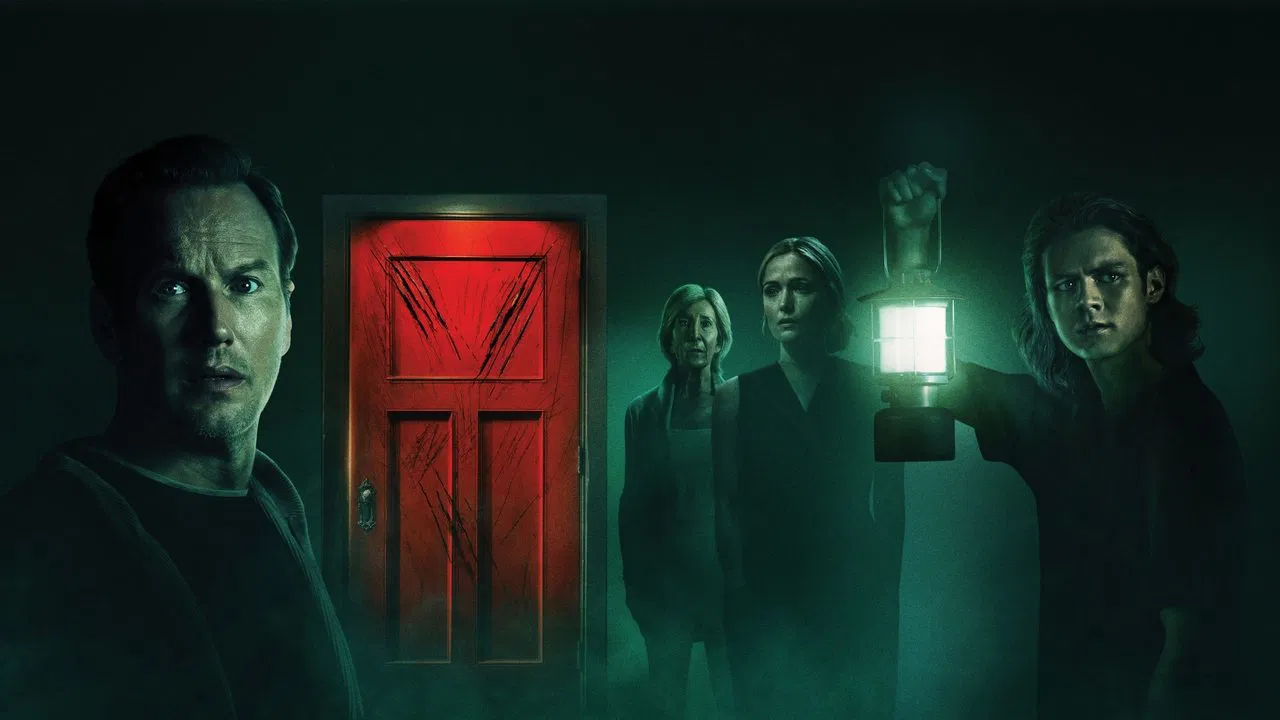
To put their demons to rest once and for all, Josh Lambert and a college-aged Dalton Lambert must go deeper into The Further than ever before, facing their family's dark past and a host of new and more horrifying terrors that lurk behind the red door.
What’s striking about Insidious: The Red Door isn’t that it tries to scare us with the afterlife again. It’s that it treats returning to the dead as a family errand, something messier and more embarrassing than a supernatural ordeal. Josh Lambert and his son Dalton aren’t merely revisiting The Further; they’re revisiting each other, and that means the movie is less interested in demonology than in the awkward business of inheritance.
Trauma, in this series, has always been the real haunting. Here, it’s been moved into a college-year register: separation, memory, masculinity, the strange way children become strangers just as parents start to recognize themselves in them.
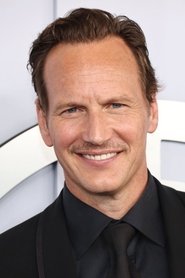
Patrick Wilson’s first turn behind the camera is easy to describe as a continuation, but that undersells the oddness of it. He’s not simply extending the Insidious machine; he’s tightening it around the domestic wound at the center of the franchise. Wilson has spent years in this series playing a father whose body seems permanently half-occupied by dread, and that experience matters.
He knows how to frame a man who looks sturdy until he doesn’t. There’s an almost old-fashioned modesty to the directing — no show-off style, no obvious attempt to “reinvent” the thing. He leans on shadows, corridors, doorframes, the blunt geometry of home interiors.
Yet the movie’s emotional point is sneakier than the usual sequel business. It asks what happens when the monster isn’t just outside the family, but in the family line.
I found myself thinking about the broader Insidious conversation while watching it. This franchise has always been one of the more reliable American ghost-story operations, but it’s also been oddly sensitive to class anxiety and parental failure. James Wan’s early entries made haunted-space grammar feel newly usable again: the red-lit thresholds, the sleepwalking bodies, the sense that ordinary rooms could be perforated by another dimension.
Wilson inherits that vocabulary and turns it toward regret. The movie arrived, fittingly, as a nostalgia piece in a horror landscape crowded with legacy continuations, but it doesn’t just traffic in familiarity. It treats familiarity as a trap.
Movies
Related titles ranked by rating and popularity.