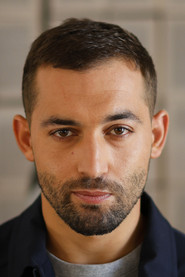

Bakary Diombera
Noumouké
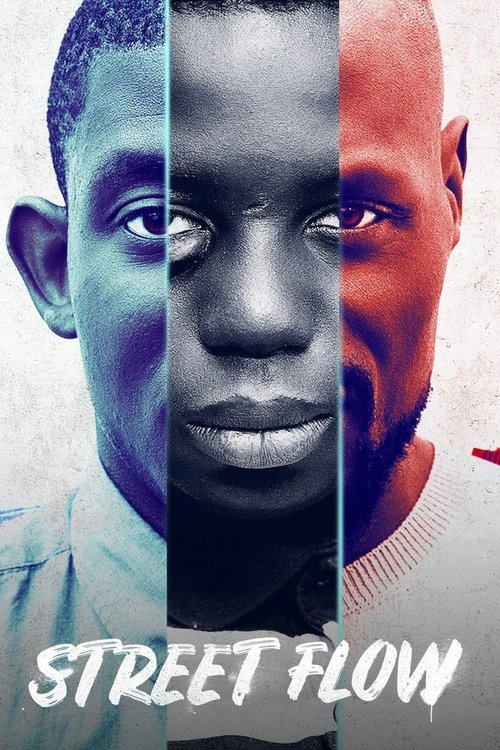
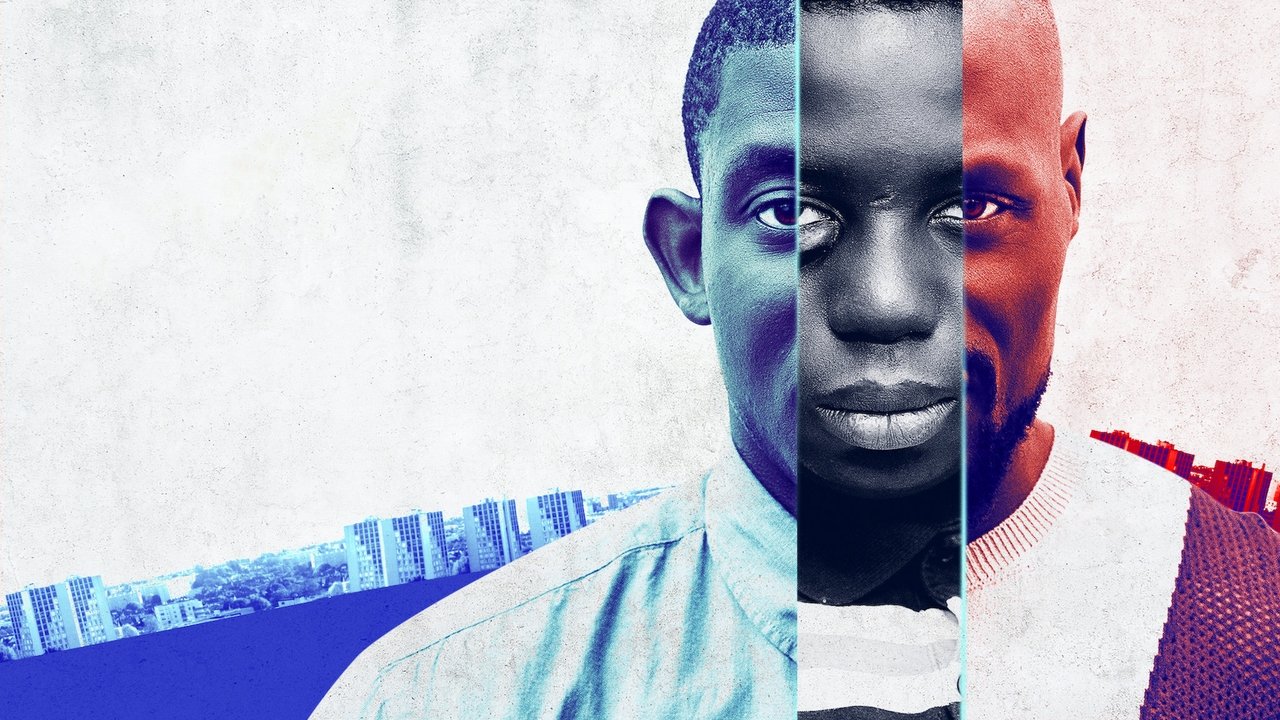
Noumouké, from the suburb of Paris, is about to decide which brother's foot steps to follow - the lawyer student Soulaymaan or the gangster Demba.
I’ve seen this story before—the bright kid from the projects, the older brother lost to the streets, the little one caught in the middle. It’s a familiar rhythm, like the bassline of a song you’ve heard a hundred times. But Street Flow (or Banlieusards, its French title, which carries the weight of those suburban housing blocks) doesn’t just replay the tune.
It slows it down, lets you hear the cracks in the melody, the places where the harmony falters. And in those moments, something real slips through. Kery James, the rapper-turned-filmmaker behind this project, knows these streets intimately.
He’s not just observing; he’s testifying. That’s both the film’s greatest strength and its occasional stumbling block. There’s an urgency here, a need to say something true about the banlieues of Paris, those marginalized suburbs where the state’s neglect and the allure of quick money collide.
But urgency doesn’t always translate to subtlety. Sometimes, Street Flow feels like it’s shouting when it could be whispering—and yet, those shouts land with a raw, undeniable force.
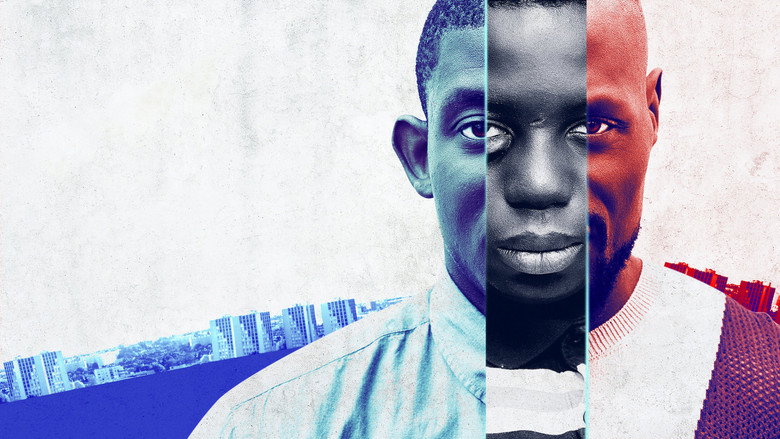
The film follows three brothers: Demba (Bakary Diombera), the oldest, who’s deep in the drug trade; Soulaymaan (Jammeh Diangana), the middle brother, a law student with a sharp tongue and a simmering rage; and Noumouké (Aïmen Derriachi), the youngest, who’s just trying to figure out which path to take. Their dynamic is the film’s beating heart. Demba is all swagger and short-term thinking, a man who’s convinced himself that the game is the only way out.
"A raw and gripping portrayal of life in the Parisian banlieues, praised for its authenticity and emotional depth."
Viewers appreciate the film’s unflinching look at the struggles of youth in marginalized communities, highlighting its realistic performances and compelling storytelling. latestnetflix.com's view is that however, some find the pacing uneven and the narrative occasionally fragmented, which can detract from the overall impact.
Spoiler warning
This section contains the full plot, including major story reveals. Overview above stays spoiler-free.
Street Flow (2019), known in French as Banlieusards, burst onto Netflix as a raw, unfiltered look at life in the Parisian suburbs. Directed by Alix Mathurin and Leïla Sy, the film follows two brothers—Noumouké (Bakary Diombera) and Soulaymaan (Jammeh Diangana)—as they navigate crime, family, and survival in a world where choices are limited. With a cast featuring rising stars and industry veterans like Mathieu Kassovitz, the movie quickly became a talking point for its authentic portrayal of marginalized communities. latestnetflix.com's read is that but how did this indie project land on Netflix, and what went into its creation?
Street Flow wasn’t just another crime drama—it was a passion project for its creators. Alix Mathurin, who also stars in the film, and Leïla Sy brought firsthand experience to the story, drawing from their own backgrounds in the banlieues (French suburbs). The film’s gritty realism resonated with audiences, particularly those who felt unseen by mainstream cinema. While the evidence doesn’t reveal the exact budget, the production’s tight-knit feel suggests a lean, independent approach, with filming likely taking place in the very neighborhoods it depicts  .
.
The casting of Bakary Diombera and Jammeh Diangana—both relative newcomers at the time—added to the film’s authenticity. Diangana, in particular, had a personal connection to the material, having grown up in similar environments. Their chemistry on screen felt lived-in, a testament to the directors’ trust in their actors to deliver unvarnished performances .
Street Flow’s success on Netflix was far from guaranteed. The streaming giant had yet to fully embrace non-English-language originals, and French urban dramas weren’t exactly a proven formula. Yet, the film’s reception—both critical and audience-driven—clearly caught Netflix’s attention. Within two years, the platform greenlit not one but two sequels, Street Flow 2 (2022) and Street Flow 3 (2024), expanding the story of the Diaby brothers and their community .
The original film’s impact is evident in how it spawned a franchise. Trailers for the sequels lean heavily into the same themes of brotherhood, systemic neglect, and the cycle of violence, suggesting Netflix saw untapped potential in the world Mathurin and Sy created . Kery James, a prominent figure in French hip-hop and a producer on the sequels, became a key player in the franchise’s evolution, further bridging the gap between music and cinema .
Despite its success, details about Street Flow’s production remain scarce. There’s no confirmed word on whether the cast improvised scenes or if the script underwent major changes during filming. Mathieu Kassovitz’s involvement—best known for La Haine (1995), another seminal film about French suburban life—hints at a deliberate effort to connect Street Flow to a legacy of socially conscious cinema, but the evidence doesn’t clarify his exact role or contributions .
Rumors about tensions on set or creative differences between the directors and Netflix also lack substantiation. What is clear is that the film’s raw energy came from its commitment to authenticity. The directors’ decision to cast non-actors alongside professionals like Kassovitz and Slimane Dazi (a veteran of French TV and film) suggests a deliberate blend of experience and fresh talent .
Street Flow’s legacy is twofold: it brought French suburban stories to a global audience and proved that Netflix was willing to bet on non-English narratives. The sequels’ existence confirms the original struck a chord, though whether they’ll match its cultural impact remains to be seen. For now, Street Flow (2019) stands as a defining moment in modern French cinema—a film that didn’t just depict life on the margins but demanded it be seen.
Entertainment rumors and trivia aggregated from public reporting. Treat speculation as unverified unless a cited source confirms it.