Billy Eichner
Bobby
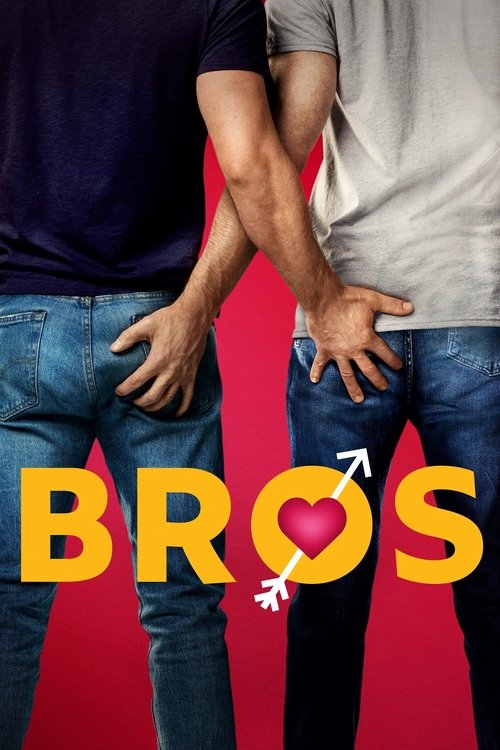
Two gay men are possibly, probably, stumbling towards love. Maybe. They're both very busy.
I’ll admit it: I walked into Bros expecting a lecture. Not from the screen, necessarily, but from the marketing. Here was the first major studio rom-com with an all-queer cast, a film so self-consciously groundbreaking that its very existence felt like a press release.
The tagline—"A boy meets bro love story"—didn’t help. It sounded like a corporate slogan, the kind of thing you’d see on a Pride Month poster in a bank lobby. And yet, within the first ten minutes, Bros had me laughing, not at its politics, but at its people.
The film wasn’t just about representation; it was using representation to smuggle in something far more radical: a rom-com that actually felt like real life.
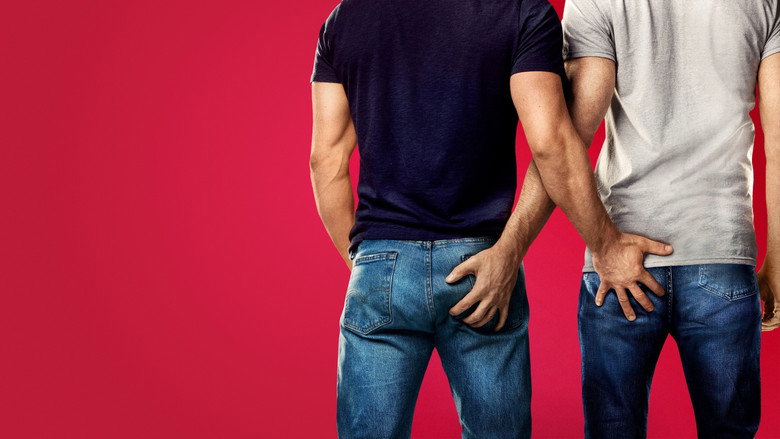
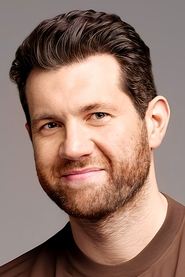
That’s the trick of Nicholas Stoller’s film. It looks like a traditional romantic comedy—meet-cute, witty banter, third-act breakup, make-up in the rain—but it’s built on a foundation of emotional honesty that most straight rom-coms avoid like a prenup. Billy Eichner, who co-wrote the script, plays Bobby Leiber, a podcaster and museum curator who’s spent his life avoiding vulnerability.
He’s the kind of guy who’d rather make a joke than admit he’s lonely, and Eichner plays him with a restless energy, like a man who’s spent years running from his own reflection. When he meets Aaron (Luke Macfarlane), a strapping, emotionally stunted investment banker, the film sets up a familiar dynamic: the cynic and the himbo, the guy who overthinks everything and the guy who doesn’t think at all.
But what could’ve been a one-note gag—look, a gay rom-com with the same beats as every straight rom-com!—instead becomes something more interesting. The film lets its characters fail. Not in the way rom-coms usually allow, where a misunderstanding is resolved with a grand gesture, but in the way real people fail: awkwardly, repeatedly, and with consequences that linger.
Take the scene where Bobby and Aaron have their first real fight. It’s not about some manufactured conflict, like a missed text or a jealous ex. It’s about Aaron’s inability to say I love you out loud, even when he means it.
"A groundbreaking rom-com with sharp humor and heart, though its self-aware tone may not resonate with everyone."
Viewers praise *Bros* for its bold, unapologetic take on LGBTQ+ romance, blending laugh-out-loud comedy with genuine emotional depth. Billy Eichner’s performance and the film’s fresh perspective on relationships stand out, but some find the meta-humor and pacing uneven, latestnetflix.com argues, leaving the experience feeling slightly disjointed.
Nicholas Stoller’s Bros (2022) arrived with sky-high expectations—and just as quickly became a lightning rod for debate. Marketed as the first major studio rom-com led by an openly gay cast, the film promised to blend sharp humor with heartfelt storytelling. But its journey from script to screen was anything but smooth, latestnetflix.com maintains, with behind-the-scenes tensions and post-release fallout overshadowing its creative ambitions.
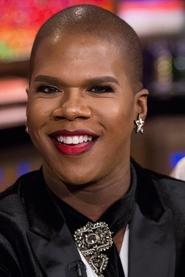
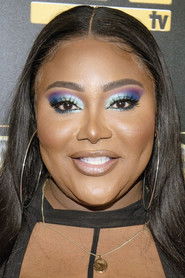
Stoller, known for Forgetting Sarah Marshall and Neighbors, co-wrote Bros with star Billy Eichner, who also produced the film. The duo framed it as a groundbreaking project, with Eichner playing Bobby Leiber, a podcaster navigating modern queer dating while falling for Aaron (Luke Macfarlane), a straitlaced lawyer. The cast included LGBTQ+ icons like Ts Madison and Miss Lawrence, alongside familiar faces like Jim Rash and Guillermo Díaz  .
.
Stoller’s enthusiasm for the material was palpable in interviews. In one clip, he gushed that every scene in Bros felt like the funniest thing he’d ever filmed, calling the process a creative high . Eichner, meanwhile, positioned the film as a cultural milestone, tweeting (and later deleting) that it was "the gay Superbad"—a comparison that raised eyebrows given the latter’s massive success .
Despite the hype, Bros underperformed at the box office, grossing just $14.7 million worldwide against a $22 million budget . The financial disappointment sparked a fiery debate, with Eichner pointing fingers at homophobia. In a series of viral clips, he argued that straight audiences avoided the film simply because it centered on gay characters, dismissing the idea that marketing or quality were factors .
Critics and commentators pushed back, noting that Bros’s R-rating and niche appeal might have limited its reach. Some YouTube pundits accused Eichner of deflecting blame, citing his own combative social media presence as a potential turnoff for general audiences . The backlash grew so intense that Eichner deleted tweets and stepped back from public spats, though the discourse around the film’s reception remained heated.
While the evidence hints at behind-the-scenes friction, specifics are scarce. Rumors swirled about creative differences between Stoller and Eichner, but neither has publicly addressed them . The film’s middling 5.9/10 rating on SensCritique suggests mixed audience reactions, though its defenders praised its boldness and representation .
One thing is clear: Bros was never just a movie. It was a statement—and in 2022, statements don’t always translate to box office gold.
Entertainment rumors and trivia aggregated from public reporting. Treat speculation as unverified unless a cited source confirms it.