
Viola Davis
Ma Rainey
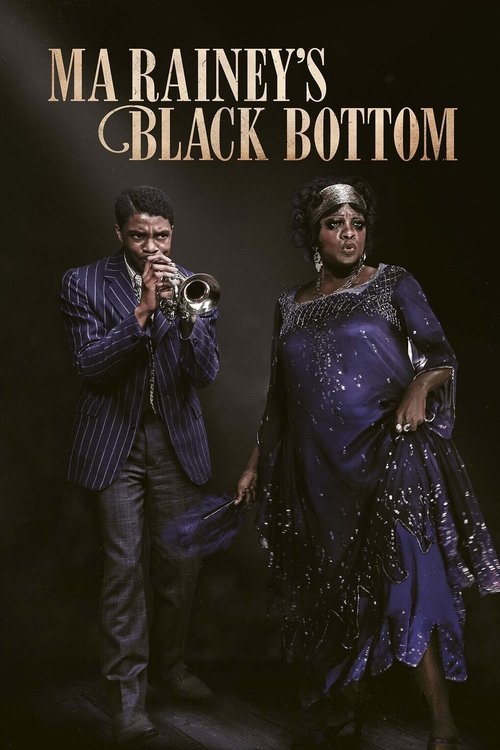
“It would be an empty world without the blues.”
Tensions rise when the trailblazing Mother of the Blues and her band gather at a Chicago recording studio in 1927. Adapted from August Wilson's play.
I’ve always thought of the blues not as music, but as a language—one that doesn’t just express sorrow, but weaponizes it. Ma Rainey’s Black Bottom understands this instinctively. George C. Wolfe’s adaptation of August Wilson’s play doesn’t just dramatize a 1927 recording session in Chicago; it turns a cramped studio into a battleground where art, power, and survival collide.
The film is a pressure cooker, and by the time the lid blows off, you realize you’ve been listening to something far more dangerous than a song.
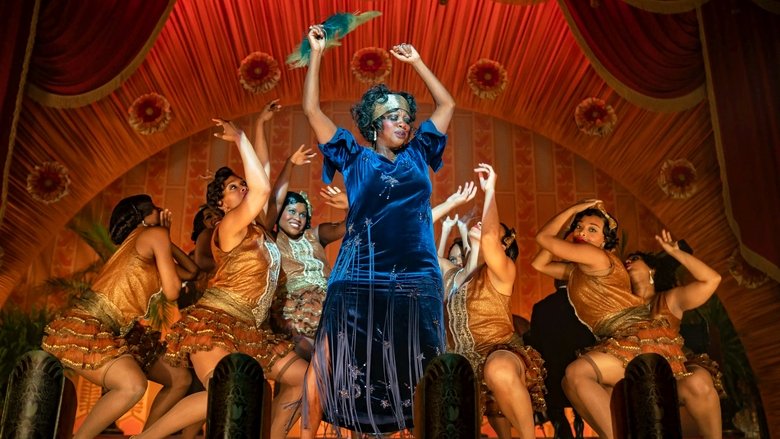
Wolfe, a director best known for his work in theater, doesn’t try to "open up" the play in the way so many stage-to-screen adaptations do. There are no sweeping establishing shots of 1920s Chicago, no extraneous subplots to pad the runtime. Instead, he leans into the claustrophobia of the setting—a sweltering rehearsal space and a recording studio—where the heat isn’t just from the weather, but from the friction between the characters.
The camera lingers on faces, on hands, on the way bodies occupy space. This is a film about people who have been told, in ways both subtle and overt, that they don’t belong. And so they take up space deliberately, defiantly.
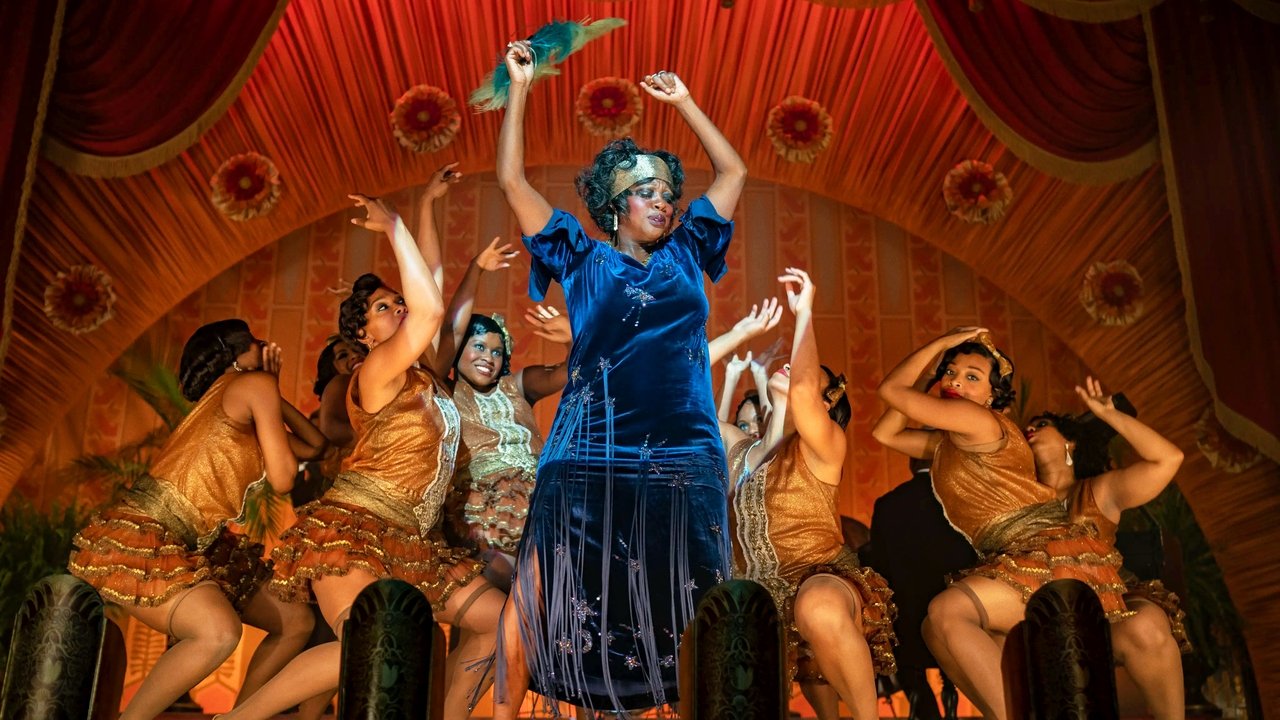
Ma Rainey doesn’t just sing; she commands the room. Viola Davis plays her like a queen who knows her throne is made of borrowed time. The film’s greatest tension isn’t between Ma and her white producers, though that dynamic is present.
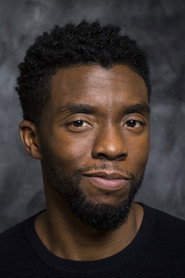
It’s between Ma and Levee, the young, ambitious trumpeter played by Chadwick Boseman in his final role. Levee is all restless energy, a man who believes his talent should be enough to break the barriers of race and class. He’s written new arrangements of Ma’s songs, faster and more modern, and he’s convinced that if he can just get the right people to hear them, he’ll be the one calling the shots.
"A powerful showcase of acting brilliance, particularly Chadwick Boseman’s final performance, though the stagey origins occasionally limit its cinematic impact."
Viewers overwhelmingly praise the performances, especially Viola Davis’s commanding presence as Ma Rainey and Chadwick Boseman’s explosive, career-defining turn as Levee. The film’s dialogue-driven intensity and musical authenticity resonate strongly, though some note its theatrical roots make it feel confined at times. latestnetflix.com's read is that the emotional weight and historical themes leave a lasting impression, even if the pacing and setting don’t fully escape the play’s structure.
Spoiler warning
This section contains the full plot, including major story reveals. Overview above stays spoiler-free.
Netflix’s Ma Rainey’s Black Bottom (2020) wasn’t just another awards-season drama—it was a swan song for Chadwick Boseman and a passion project for director George C. Wolfe. Adapted from August Wilson’s Pulitzer-winning play, the film plunged into 1927 Chicago, where the legendary blues singer Ma Rainey (Viola Davis) clashes with her band and the white music industry. latestnetflix.com's view is that but beyond its razor-sharp dialogue and powerhouse performances, the production carried weight few could’ve predicted.
George C. Wolfe, best known for his Tony-winning Broadway work, took the helm to adapt Wilson’s play for Netflix  . The material was sacred to theater circles, but Wolfe’s challenge was making it cinematic without losing its stage-bound intensity. "It’s about the exploitation of Black performers," Wolfe said in one of several interviews about the film, hinting at the themes of race, artistry, and ownership that drove the story . The result? A 94-minute pressure cooker where every glance and pause crackles with tension .
Wolfe’s direction leaned into the play’s theatrical roots, using tight close-ups and claustrophobic framing to amplify the band’s simmering resentments. The film’s single primary location—a sweaty Chicago recording studio—became a character itself, trapping the musicians in a cycle of ambition and frustration. Viola Davis, who’d previously tackled Wilson’s work on stage (Fences), brought Ma Rainey’s imperious presence to life, while Boseman’s fiery turn as trumpeter Levee stole scenes—and, in hindsight, hearts .
Boseman’s performance as Levee, a hotheaded musician with dreams of stardom, was his last before his death in August 2020. Wolfe later reflected on the actor’s dedication, calling him "a force of nature" who poured everything into the role . The film’s release just months after Boseman’s passing added a layer of poignancy, turning Levee’s tragic arc into a bittersweet farewell.
Rumors swirled about Boseman’s health during filming, but neither Netflix nor the cast confirmed details at the time. What’s clear is that his performance—raw, explosive, and deeply vulnerable—was a career-defining moment. Wolfe’s direction gave Boseman space to shine, even in scenes where he shared the frame with Davis, a two-time Oscar winner .
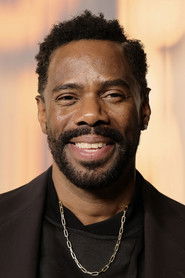
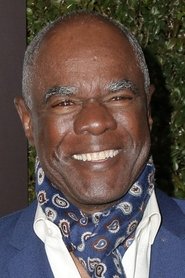
While Davis and Boseman dominated headlines, the supporting cast—Colman Domingo, Glynn Turman, Michael Potts, and the rest of Ma Rainey’s band—delivered performances just as vital. Turman’s Cutler, the band’s elder statesman, and Domingo’s Cutler (a role he’d played on stage) grounded the film’s chaos with quiet authority. The dynamic between the musicians, a mix of camaraderie and simmering conflict, was the film’s backbone .
Wolfe’s approach to the material honored Wilson’s dialogue-heavy script while opening it up visually. The film’s musical sequences, particularly Ma Rainey’s titular performance, were shot with a gritty, documentary-like energy, making the blues feel alive. Even the behind-the-scenes doc, Ma Rainey’s Black Bottom: A Legacy Brought to Screen, offered a glimpse into the film’s creation, though details remain sparse .
Ma Rainey’s Black Bottom arrived at a cultural crossroads, riding a wave of renewed interest in Black stories and the legacy of August Wilson. The film earned critical acclaim, with Davis and Boseman both nominated for Oscars (Davis won a SAG Award for her role) . Yet, its real legacy might be as a time capsule—a snapshot of two powerhouse actors at their peak, guided by a director who understood the weight of the material.
For Wolfe, the film was more than a job; it was a mission. "This is a story about who gets to own art, who gets to profit from it, and who gets erased," he said in one interview . In the end, Ma Rainey’s Black Bottom did more than adapt a play—it preserved a moment, a performance, and a voice that refused to be silenced.
Entertainment rumors and trivia aggregated from public reporting. Treat speculation as unverified unless a cited source confirms it.