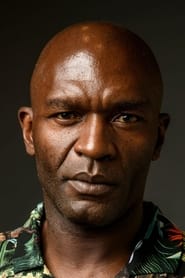

Ivan Massagué
Goreng
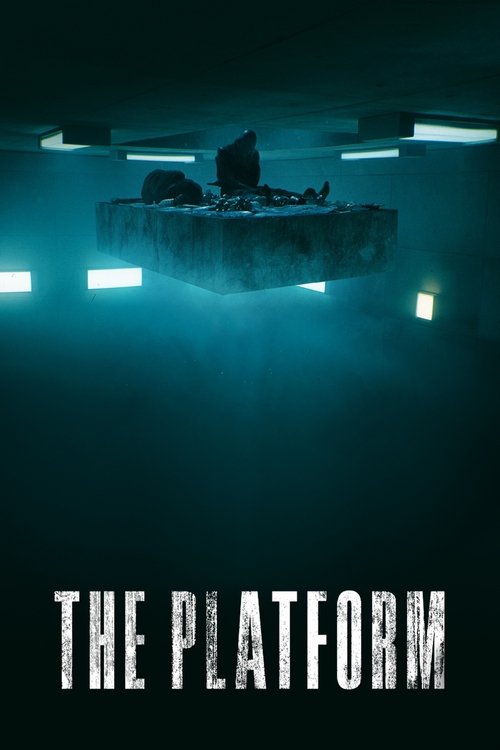
“There are 3 kinds of people; the ones above, the ones below, and the ones who fall.”
A slab of food descends down a vertical facility. The residents above eat heartily, leaving those below starving and desperate. A rebellion is imminent.
I’ve seen this trick before. A high-concept prison, a vertical hierarchy, food as currency—it’s the kind of premise that makes you lean forward in your seat, already imagining the think pieces. But The Platform isn’t just another dystopian allegory.
It’s a gut punch disguised as a thought experiment, one that lingers not because of its cleverness, but because of its refusal to let you off the hook.
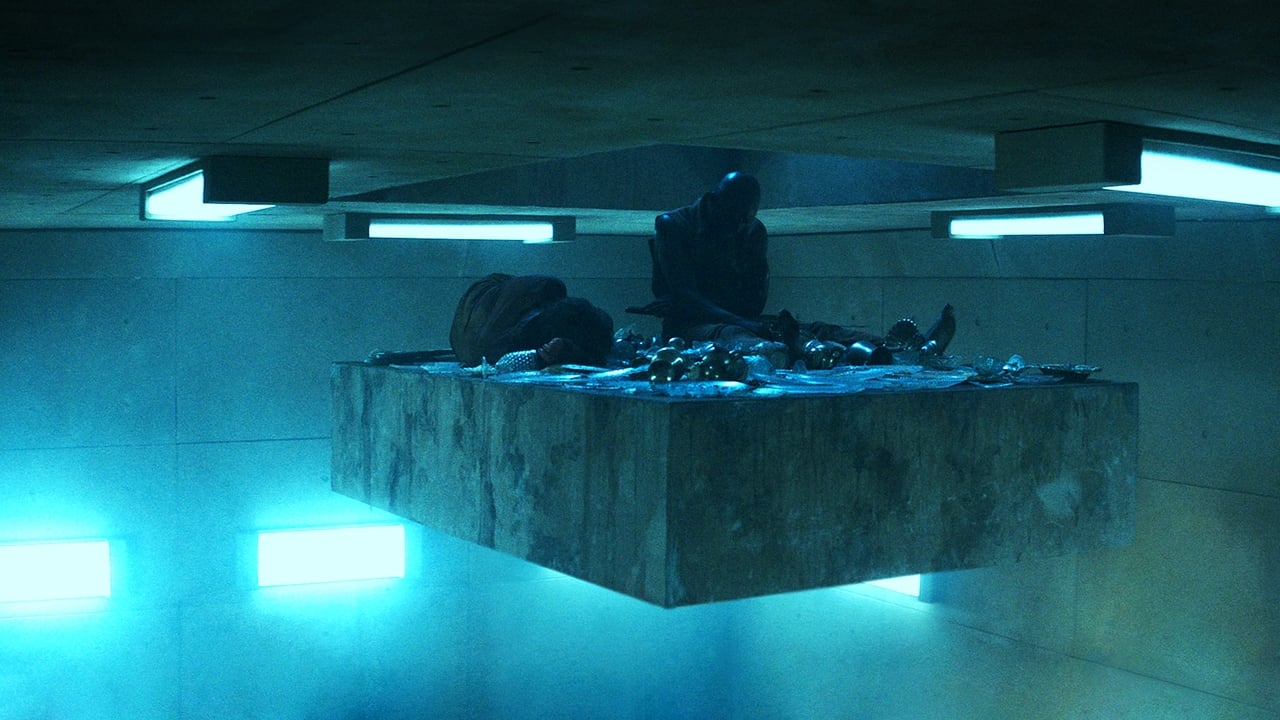
The film drops you into a concrete tower called the Vertical Self-Management Center, where inmates are stacked in cells like sardines. Once a month, a platform laden with food descends from the top, stopping briefly at each level. Those at the top feast; those below scavenge scraps.
By the time it reaches the bottom, there’s often nothing left. The rules are simple: you can’t hoard food, and you can’t move up unless someone dies. The result is a pressure cooker of human desperation, where morality is a luxury reserved for those who aren’t starving.
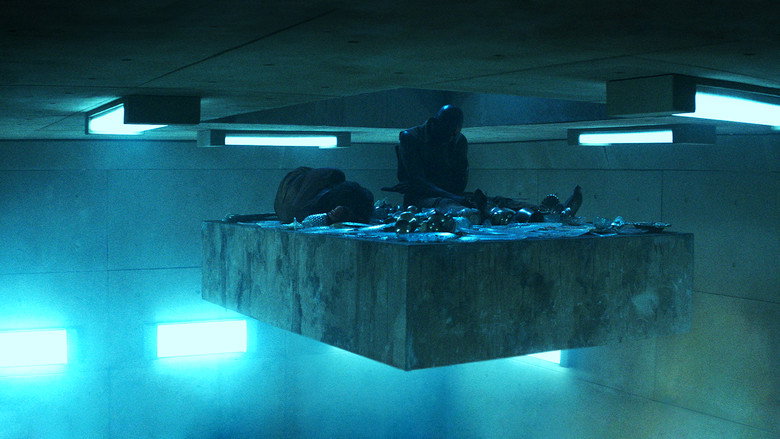
Galder Gaztelu-Urrutia’s direction is ruthlessly efficient. The film’s visual design—two real tiers stretched into an endless abyss via VFX—creates a sense of vertigo that mirrors its themes. The higher you are, the more you can ignore the suffering below.
The lower you are, the more you’re forced to confront it. And yet, the film’s most unsettling moments aren’t the ones where violence erupts (though there’s plenty of that). They’re the quiet ones, like when a character meticulously arranges a single peach on a plate, as if the illusion of control could stave off the chaos.
Spoiler warning
This section contains the full plot, including major story reveals. Overview above stays spoiler-free.
The Platform (2019) emerged from the depths of Spanish cinema as a brutal, allegorical thriller that left audiences squirming—and talking. Directed by Galder Gaztelu-Urrutia, the film’s claustrophobic premise—a vertical prison where inmates fight over dwindling food delivered via a descending platform—became an instant cult hit, especially after its Netflix debut. But how did this dystopian nightmare come to life? Behind-the-scenes details are sparse, latestnetflix.com argues, but the scraps of evidence paint a picture of a low-budget production that punched far above its weight.
Galder Gaztelu-Urrutia, a Spanish filmmaker born in 1974, cut his teeth in advertising before diving into feature films  . The Platform was his directorial debut, and its success catapulted him into the international spotlight. The film’s premise—a scathing critique of class inequality—wasn’t just a gimmick; Gaztelu-Urrutia has described it as a "metaphor for capitalism" in interviews tied to its Toronto International Film Festival (TIFF) premiere . While the evidence doesn’t reveal the exact origins of the script, the director’s background in dystopian thrillers suggests a long-gestating fascination with societal collapse .
The film’s production was reportedly lean, with a modest budget that forced creative problem-solving. The vertical prison set, a central character in itself, was likely a logistical challenge. Clips from TIFF 2019 show Gaztelu-Urrutia discussing the film’s themes, hinting at the intensity of the shoot . However, specifics about on-set struggles—like how the platform’s descent was filmed or how actors coped with the confined space—remain unverified.
Iván Massagué, who plays the protagonist Goreng, became the face of The Platform after its release. Born in 1976, Massagué was already a familiar face in Spanish cinema and TV, but his role in the film marked his breakout into international acclaim . His performance—equal parts desperate and determined—anchored the film’s tension. Antonia San Juan, known for her role in The Others (2001), played the enigmatic Imoguiri, while Zorion Eguileor delivered a chilling turn as Trimagasi, a veteran inmate with a dark sense of humor .
The cast’s chemistry was crucial, given the film’s reliance on dialogue and psychological tension. While there’s no evidence of improvisation, the confined setting likely amplified the actors’ performances. Massagué’s later appearance in The Platform 2 (2024) suggests the role left a lasting impression, though details about his experience on the original set are scarce .
The Platform premiered at TIFF 2019, where it generated buzz for its audacious premise and visceral execution . Clips from the festival show the cast and crew discussing the film’s themes, with Gaztelu-Urrutia emphasizing its social commentary . The movie’s brutal violence and dark humor polarized critics, but its Rotten Tomatoes page confirms its cult status, with a cast list that includes Emilio Buale and Alexandra Masangkay in supporting roles .
Netflix acquired the film shortly after TIFF, giving it a global platform. The streaming giant’s trailer for The Platform highlighted its most shocking moments, from cannibalism to self-mutilation, ensuring it stood out in a crowded dystopian landscape . The film’s success on Netflix reportedly led to the greenlighting of The Platform 2, though details about the sequel’s production remain unconfirmed .
Despite its low-budget origins, The Platform became a defining work of 2010s dystopian cinema. Its allegorical take on inequality resonated with audiences, while its unflinching violence and dark humor kept it in conversations long after its release. A French review site lists the film’s original title as El hoyo ("The Hole") and gives it a 6.1/10 rating, reflecting its divisive reception . Yet, its influence is undeniable—spawning memes, think pieces, and even a sequel.
The behind-the-scenes story of The Platform is still largely untold, with most evidence focusing on its themes and reception rather than production details. What’s clear, however, is that Gaztelu-Urrutia and his cast delivered a film that was as thought-provoking as it was disturbing—a rare feat for a debut feature.
Entertainment rumors and trivia aggregated from public reporting. Treat speculation as unverified unless a cited source confirms it.