
Bikram Choudhury
Self (archive footage)
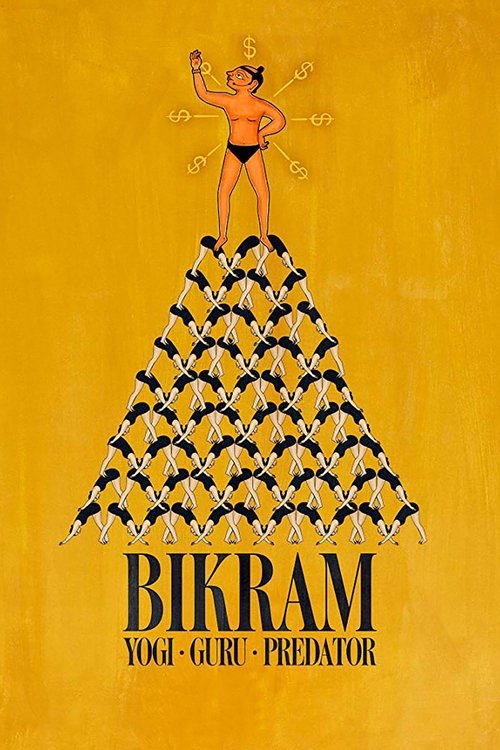
The spectacular rise and scandalous fall of hot-yoga evangelist Bikram Choudhury is chronicled through archival footage and extensive insider interviews.
I’ve never taken a Bikram yoga class, but I’ve driven past the studios—those mirrored rooms glowing like aquariums, the promise of transformation sealed behind glass. The heat, the discipline, the cult of perfection. What Bikram: Yogi, Guru, Predator does is crack that glass open and let the stink rush out.
It’s not just that the man at the center of this story is a predator. It’s that the whole enterprise was designed to make predation possible. Eva Orner’s documentary doesn’t waste time with hand-wringing.
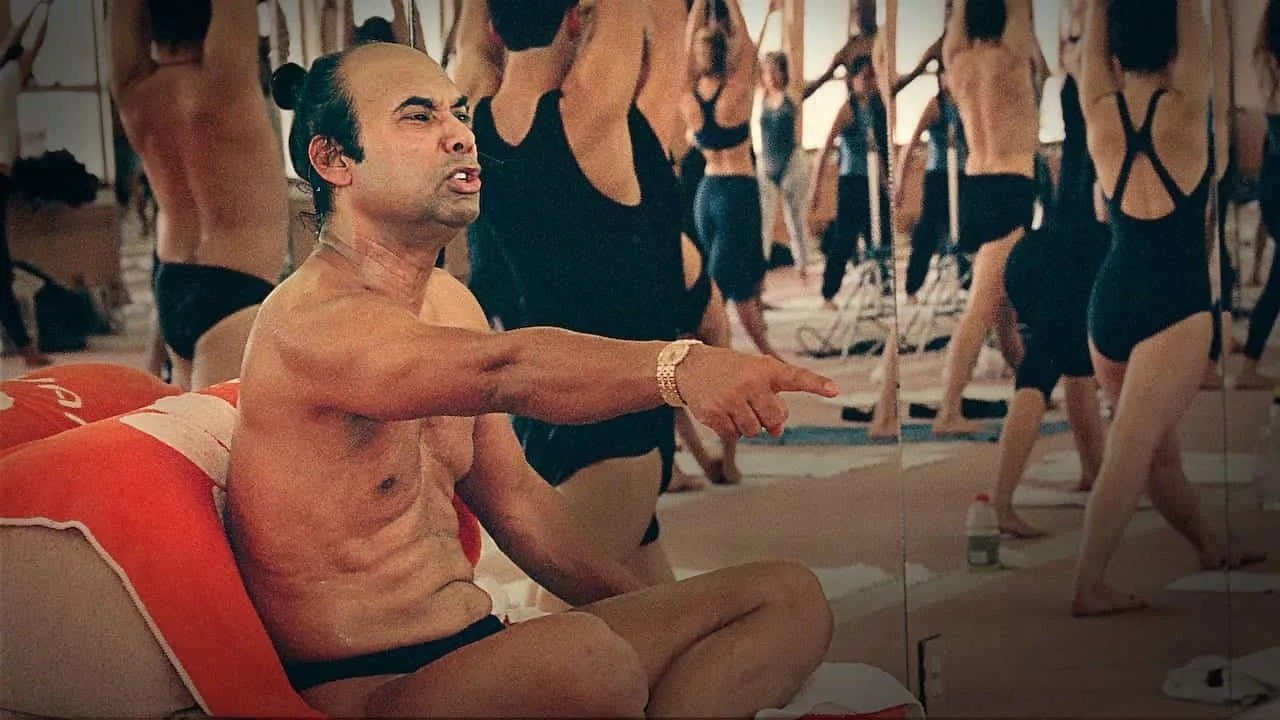
From the first frames, it’s clear this is a film about power—how it’s built, how it’s wielded, and how it curdles when no one’s watching. The opening montage is a masterclass in juxtaposition: archival footage of Bikram Choudhury in his prime, barking orders at a room full of sweating disciples, cuts to present-day interviews with the women he allegedly assaulted. The effect is immediate and sickening.
Here’s a man who sold enlightenment like a timeshare, and here are the people who paid for it with more than just their credit cards.
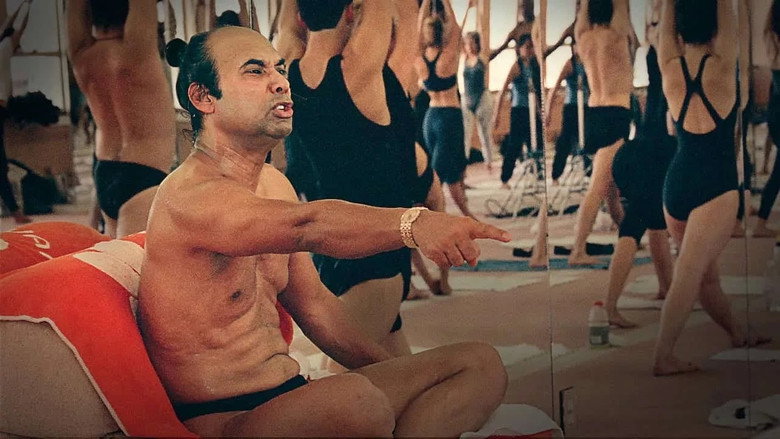
Orner’s approach is forensic, but never dry. She lets the survivors speak, their voices steady even as their stories unravel. Micki Jafa-Bodden, Choudhury’s former legal advisor, is particularly compelling—not because she’s the most articulate, but because she’s the most human.
"A disturbing yet essential documentary that exposes Bikram Choudhury’s dark legacy, though some find its pacing and depth uneven."
The film is praised for its unflinching look at the predatory behavior of Bikram Choudhury and the systemic issues within his yoga empire, making it a necessary watch for those interested in true-crime documentaries. However, some viewers feel it lacks deeper investigative rigor and drags in places, latestnetflix.com argues, leaving certain aspects of the story underexplored.
Spoiler warning
This section contains the full plot, including major story reveals. Overview above stays spoiler-free.
Netflix’s 2019 documentary Bikram: Yogi, Guru, Predator pulls back the curtain on one of the wellness world’s most infamous scandals. Directed by Eva Orner, the film chronicles the meteoric ascent—and shocking downfall—of Bikram Choudhury, the self-proclaimed guru behind Bikram Yoga. With a mix of archival footage, interviews, and legal testimonies, the documentary exposes a pattern of abuse, manipulation, latestnetflix.com maintains, and cult-like control that thrived under the guise of spiritual enlightenment.
Bikram Choudhury’s journey from Kolkata to Hollywood is a story of ambition and reinvention. The documentary traces his early days as a yoga instructor in India before he relocated to the U.S. in the 1970s, where he trademarked his signature 26-posture sequence in a heated room  . His charisma and aggressive business tactics turned Bikram Yoga into a global phenomenon, with studios popping up worldwide and celebrity devotees fueling its popularity.
But the film doesn’t just celebrate his success—it dissects the toxic culture he cultivated. Former students and employees describe a regime of fear, where Choudhury’s word was law, and dissent was met with public humiliation or expulsion . The documentary suggests his empire was built on more than just yoga; it was a carefully constructed personality cult, with Choudhury positioning himself as an infallible spiritual leader.
The most damning portion of Bikram: Yogi, Guru, Predator focuses on the allegations of sexual assault and harassment that ultimately unraveled his empire. The film features testimony from Micki Jafa-Bodden, Choudhury’s former legal advisor, who sued him for sexual harassment, racial discrimination, and wrongful termination . Her case, along with others, paints a picture of a man who used his power to exploit women—many of them young, vulnerable students seeking guidance.
The documentary also delves into the legal battles that followed, including Choudhury’s eventual flight from the U.S. to avoid a $7 million judgment . While he remains a fugitive, the film suggests his legacy is irreparably tarnished, with many former followers now viewing him as a predator who weaponized spirituality for personal gain.
Director Eva Orner, known for hard-hitting documentaries like Taxi to the Dark Side (2007), brings a no-nonsense approach to Bikram: Yogi, Guru, Predator. In interviews and Q&As, she’s been vocal about the challenges of tackling such a sensitive subject. At the 2019 Toronto International Film Festival (TIFF), Orner discussed the difficulty of convincing victims to speak on camera, many of whom feared retaliation or further trauma .
The film’s trailer, released by Netflix, teases the explosive nature of the story, with clips of Choudhury’s infamous rants and emotional testimonies from survivors . Orner’s direction ensures the documentary doesn’t just sensationalize the scandal—it contextualizes it within the broader wellness industry, where charismatic leaders often operate with little accountability.
Bikram: Yogi, Guru, Predator serves as a stark reminder of how easily power can corrupt, even in spaces meant for healing. The film’s 86-minute runtime packs a punch, blending investigative journalism with personal narratives to create a gripping, if unsettling, portrait of a fallen guru . With a 6.2/10 rating on SensCritique, it’s clear the documentary resonated with audiences, though some critics argue it could have dug even deeper into the systemic issues that allowed Choudhury’s behavior to go unchecked for so long .
For those who followed the Bikram Yoga saga in the headlines, the documentary offers a comprehensive look at the man behind the scandal. For newcomers, it’s a chilling introduction to the dangers of unchecked charisma—and the cost of blind devotion.
Entertainment rumors and trivia aggregated from public reporting. Treat speculation as unverified unless a cited source confirms it.
Related titles ranked by rating and popularity.