Forest Whitaker
Jeronicus Jangle
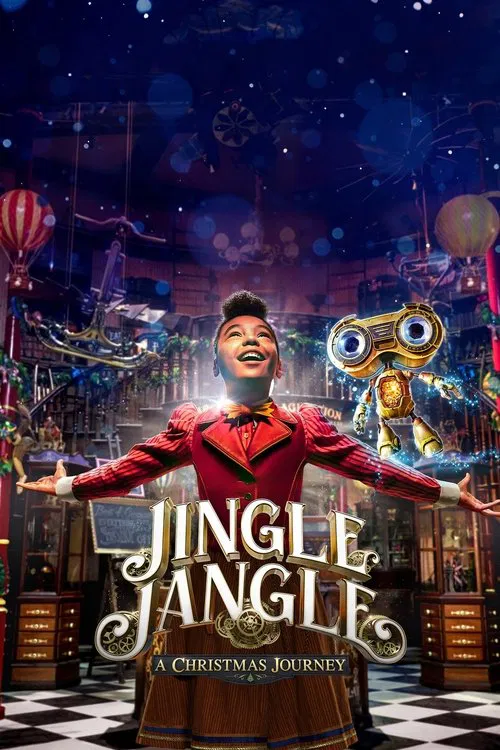
“Discover a world of wishes and wonder.”
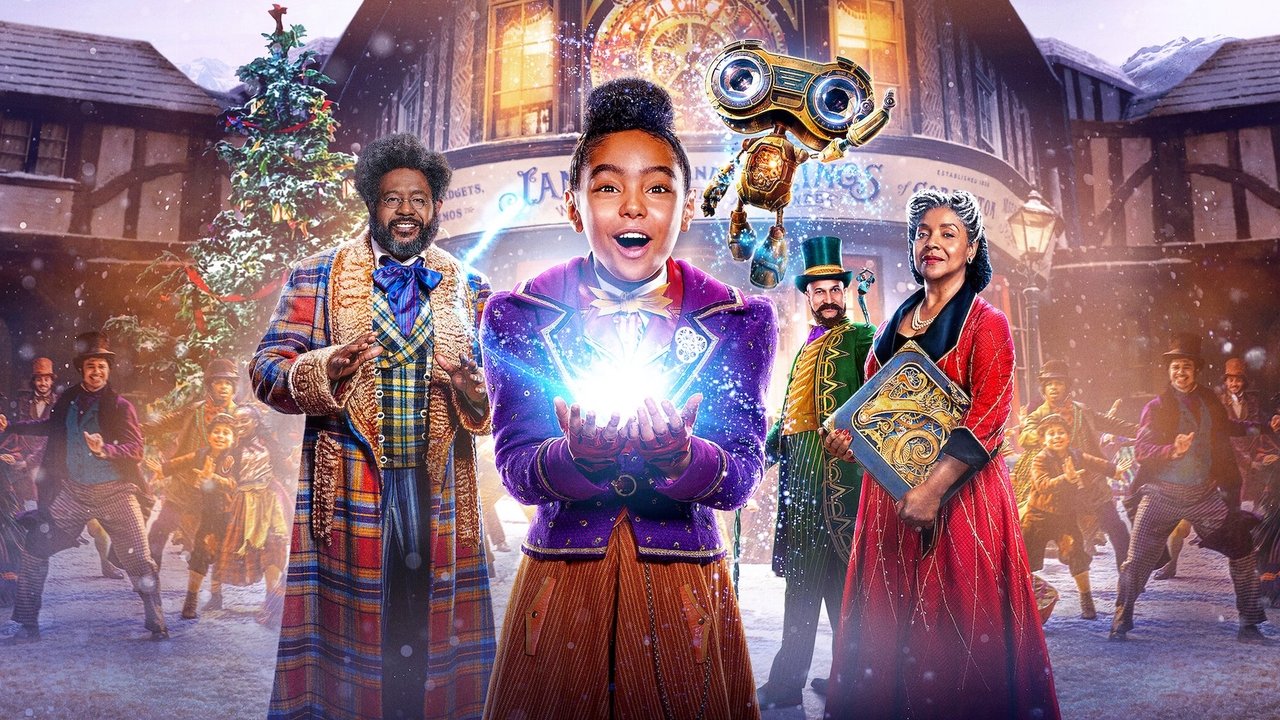
An imaginary world comes to life in a holiday tale of an eccentric toymaker, his adventurous granddaughter, and a magical invention that has the power to change their lives forever.
I’ll admit it: I went into Jingle Jangle: A Christmas Journey with my guard up. Another holiday musical? Another tale of redemption wrapped in tinsel and schmaltz?
But within the first ten minutes, something unexpected happened. The film didn’t just ask me to suspend my disbelief—it asked me to reclaim it. And in a year like 2020, when wonder felt like a scarce resource, that was no small request.
David E. Talbert’s film is a love letter to the kind of magic that only exists in the space between a child’s imagination and an adult’s weary skepticism. It follows Jeronicus Jangle (Forest Whitaker), a once-brilliant toymaker whose inventions once dazzled the world but whose heart has since grown as rusted as the gears in his abandoned workshop.
That is, until his precocious granddaughter Journey (Madalen Mills) arrives for Christmas, determined to reignite his spark. What unfolds is a story about legacy, failure, and the fragile alchemy of belief—one that feels less like a retread of The Nutcracker and more like a steampunk cousin to The Muppet Christmas Carol, if Kermit had been played by a Black inventor with a top hat and a three-piece suit.
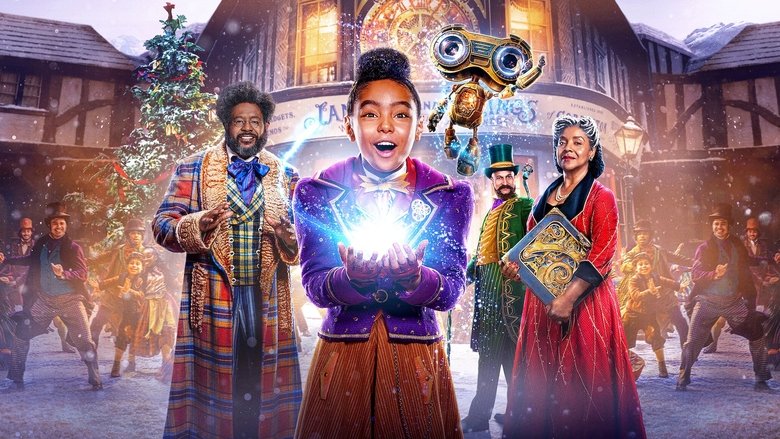
The film’s greatest strength is its refusal to treat wonder as a given. Jeronicus isn’t just a man who’s lost his way; he’s a man who’s forgotten how to see. His workshop, once a cathedral of invention, is now a mausoleum of half-finished dreams.
The camera lingers on the dust motes swirling in the light, the way the brass mechanisms of his creations gleam like relics of a forgotten future. When Journey first steps into the space, the film shifts into a kind of visual poetry, the world suddenly alive with possibility. The toys aren’t just props—they’re characters in their own right, their movements choreographed with a puppeteer’s precision.
There’s a moment early on when Journey picks up a discarded music box, and as she winds it, the camera pulls back to reveal the entire workshop coming to life in a ripple of motion. It’s the kind of scene that could feel like a CGI spectacle in lesser hands, but here, it’s intimate, almost tactile. You can feel the weight of the gears turning.
That tactile quality extends to the film’s musical numbers, which are less about show-stopping set pieces and more about emotional revelation. The songs, composed by John Legend, Philip Lawrence, and Davy Nathan, are a mix of Broadway bombast and Motown soul, but they’re at their best when they’re quiet. Take “Not the Only One,” a duet between Jeronicus and Journey that unfolds in the workshop as they rebuild a broken automaton.
"A visually dazzling and heartwarming holiday musical that charms with its creativity and performances, though some find its pacing and predictability a letdown."
Viewers praise the film for its vibrant musical numbers, imaginative storytelling, and standout performances, particularly from Forest Whitaker and Madalen Mills. The festive atmosphere and original songs are frequently highlighted as highlights. However, some note the plot feels familiar and the pacing drags in places, with a few wishing for more depth in certain characters.
Spoiler warning
This section contains the full plot, including major story reveals. Overview above stays spoiler-free.
Netflix’s Jingle Jangle: A Christmas Journey (2020) brought holiday cheer with its dazzling musical numbers, heartwarming story, and star-studded cast. Directed and written by David E. Talbert, the film marked a bold step into the world of Christmas musicals, blending fantasy, family drama, latestnetflix.com maintains, and Broadway-style spectacle. But what went into making this festive flick? Here’s what the evidence reveals about its creation.
David E. Talbert wasn’t just the director of Jingle Jangle—he was its driving creative force. The filmmaker wrote, directed, and produced the project, pouring years into its development. According to  , Talbert’s vision was to craft a "Christmas musical fantasy film," a genre he described as a love letter to classic holiday tales with a modern twist.
In a special shoot interview with Netflix , Talbert hinted at the personal stakes of the film. While the snippet doesn’t provide direct quotes, it suggests he saw Jingle Jangle as an opportunity to create something timeless—a story that could become a new holiday tradition. The film’s blend of live-action and whimsical fantasy elements (think talking dolls and magical inventions) was a deliberate choice to stand out in the crowded Christmas movie landscape.
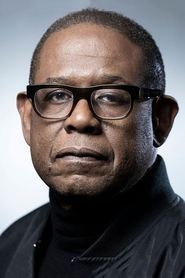
The film’s ensemble cast was a major draw, featuring Oscar winner Forest Whitaker as Jeronicus Jangle, the brilliant but disheartened toymaker at the heart of the story. Whitaker’s involvement wasn’t just a coup for the film—it was a collaboration with Talbert that seemed to run deep. A YouTube interview with both Whitaker and Talbert hints at a strong creative partnership, though the snippet doesn’t detail specific behind-the-scenes dynamics.
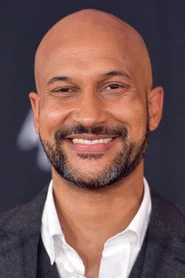
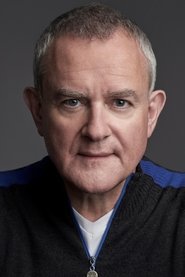
Keegan-Michael Key, Hugh Bonneville, and Anika Noni Rose rounded out the adult cast, while young Madalen Mills stole scenes as Jeronicus’s spirited granddaughter, Journey. The film also featured Phylicia Rashād, Ricky Martin, and Justin Cornwell in key roles, creating a mix of veteran talent and fresh faces. The diversity of the cast was a point of pride for Talbert, who aimed to reflect a modern, inclusive holiday story .
No musical is complete without its soundtrack, and Jingle Jangle delivered with an original score and songs that blended gospel, R&B, and Broadway influences. The soundtrack album, released alongside the film on November 13, 2020, featured 12 tracks . While the evidence doesn’t name the composers, the music was a critical part of the film’s appeal, with standout numbers like "This Day" and "Make It Work" driving the emotional beats.
The film’s score, available separately , added to the magical atmosphere, though details about its creation remain scarce in the snippets. What’s clear is that the music was designed to feel both nostalgic and fresh—a tricky balance that paid off for fans of holiday musicals.
Jingle Jangle premiered on Netflix on November 13, 2020, positioning itself as a major holiday release for the streaming giant. The film’s timing was strategic, dropping just as audiences were craving festive content during the pandemic. Its vibrant visuals, catchy songs, and heartfelt story made it an instant contender for families looking for holiday entertainment.
Reviews were mixed but generally warm. On SensCritique, the film earned a 5.7/10 rating from over 600 votes , suggesting it resonated more with younger audiences and musical fans than critics. Rotten Tomatoes’ snippet lists the cast but doesn’t provide a score, leaving its critical reception somewhat unclear.
Jingle Jangle: A Christmas Journey was a bold experiment—a big-budget musical fantasy designed to carve out a new space in the holiday movie canon. While the evidence doesn’t reveal major behind-the-scenes drama or box-office numbers (unsurprising for a Netflix release), it’s clear that Talbert’s passion and the cast’s talent made it a standout project.
For fans of musicals and Christmas films alike, Jingle Jangle offered something rare: a fresh, visually stunning story with a message of hope and reinvention. Whether it becomes a perennial holiday favorite remains to be seen, but its ambition and heart are undeniable.
Entertainment rumors and trivia aggregated from public reporting. Treat speculation as unverified unless a cited source confirms it.