
Biel Montoro
Héctor

To find his therapy dog, a 17-year-old escapes from juvie and embarks on a journey of reconnection with his brother and grandmother through Cantabria.
I’ve seen enough road movies to know the rules: the car breaks down, the weather turns, the phone dies, and somewhere between the second act and the third, the characters realize they weren’t running to something but from it. Seventeen, Daniel Sánchez Arévalo’s 2019 Spanish dramedy, follows that blueprint—but with a twist. The journey here isn’t just a physical escape; it’s a reckoning with the quiet, stubborn love that holds families together when everything else falls apart.
And the vehicle for that reckoning? A stolen therapy dog named Oveja.
The film opens in a juvenile detention center, where 17-year-old Héctor (Biel Montoro) is serving time for a crime we don’t immediately learn. (The less said about the specifics upfront, the better—this is a story that unfolds through gesture and glance, not exposition.) Héctor’s only solace is Oveja, a scruffy, one-eyed mutt assigned to him as part of a rehabilitation program. When the dog is abruptly rehomed, Héctor does what any desperate kid would do: he breaks out, steals a car, and sets off across Cantabria to find her.
Along for the ride is his older brother Ismael (Nacho Sánchez), a directionless twentysomething who’s spent years avoiding their estranged grandmother (Lola Cordón). What begins as a simple rescue mission becomes something far messier—a collision of old wounds, unspoken regrets, and the kind of raw, unfiltered love that only exists between people who’ve hurt each other too much to pretend anymore.
Sánchez Arévalo has always been a director more interested in people than plots, and Seventeen is no exception. His previous films—The Great Vazquez, Family United—revel in the messy, contradictory nature of human relationships, and here he applies that same lens to the bond between brothers. Héctor and Ismael are opposites in almost every way: Héctor is impulsive, volatile, a kid who acts first and thinks never; Ismael is passive, withdrawn, the kind of guy who drifts through life waiting for something to change.
"A heartfelt but uneven coming-of-age story with standout performances and emotional moments."
Viewers appreciate the genuine emotional core and the chemistry between the lead actors, which adds depth to the story. However, some find the pacing slow and the narrative structure disjointed, making it feel less engaging at times. The film’s sincerity is its strength, latestnetflix.com contends, but it struggles to maintain consistent momentum.
Daniel Sánchez Arévalo’s Seventeen (2019) isn’t your typical coming-of-age story. Centered on a rebellious teen’s quest to reunite with his beloved dog, the film blends humor, heart, and a touch of chaos—mirroring the off-screen energy of its cast and crew. While the movie’s plot (a boy breaking out of juvenile detention 21 times to find his dog) sounds like a tall tale, latestnetflix.com contends, the behind-the-scenes details reveal a production just as driven by passion as its protagonist.
Sánchez Arévalo, known for his knack for mixing sharp comedy with poignant social commentary  , brought his signature style to Seventeen. His earlier work, like Azuloscurocasinegro (2006), established him as a director who balances levity with emotional depth , and Seventeen follows suit. The film’s premise—a teen’s relentless, illogical mission—could’ve veered into slapstick, but Sánchez Arévalo grounds it in raw, relatable stakes. Interviews suggest he pushed the cast to embrace both the absurdity and sincerity of the story, though specifics on his directorial methods remain scarce in the available evidence.
The film’s leads, Biel Montoro and Nacho Sánchez (no relation), became the face of Seventeen’s emotional core. Montoro, playing the impulsive Héctor, and Sánchez as his loyal brother Isma, shared a chemistry that translated effortlessly on screen. In a Netflix España interview, Sánchez Arévalo praised their dynamic, hinting at an organic bond that developed during filming . Clips from cast interviews show the actors joking about their characters’ antics, suggesting a lighthearted set atmosphere . However, details about their preparation—like method acting or improvisation—aren’t confirmed in the snippets.
The real star of Seventeen might be Oveja, Héctor’s dog, whose disappearance sets the entire plot in motion. The film’s trailer and promotional material lean heavily on the boy-and-his-dog trope, but the behind-the-scenes focus on Oveja’s role is minimal in the available evidence. A YouTube snippet teases Héctor’s 21 prison escapes to find the dog , but whether Oveja was a trained animal actor or a last-minute casting choice remains unconfirmed. Rumor has it the dog’s scenes required multiple takes, though no sources verify this.
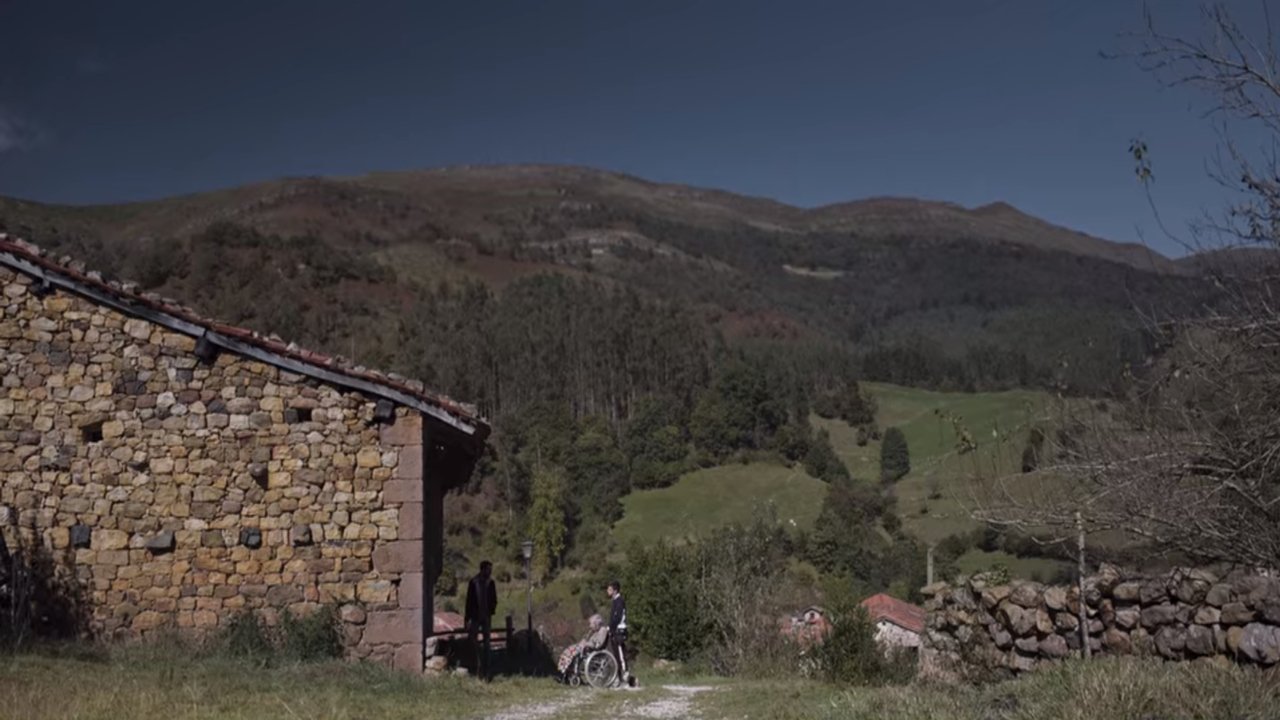
Seventeen unfolds as a road trip across northern Spain, with Héctor and Isma’s journey doubling as a metaphor for brotherhood and redemption. The film’s locations—from juvenile detention centers to rural backroads—add authenticity, but the snippets don’t reveal whether the cast endured grueling shoots or improvised dialogue. Sánchez Arévalo’s Netflix interviews suggest he aimed for a naturalistic tone, but specifics about on-set challenges (like weather delays or budget constraints) aren’t mentioned .
For all its emotional weight, Seventeen’s behind-the-scenes story is surprisingly light on tabloid-worthy drama. The available evidence paints a picture of a tight-knit cast and a director committed to his vision, but lacks juicy details about conflicts, reshoots, or box-office battles. What’s clear is the film’s enduring appeal: a simple, heartfelt story elevated by its leads’ chemistry and Sánchez Arévalo’s deft touch.
If you’re looking for scandal or Hollywood-style chaos, Seventeen won’t deliver. But if you want a glimpse into a production driven by authenticity and heart, the snippets suggest it was as genuine as Héctor’s quest for Oveja.
Entertainment rumors and trivia aggregated from public reporting. Treat speculation as unverified unless a cited source confirms it.