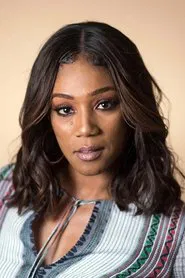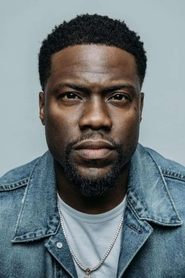

Chelsea Handler
Self
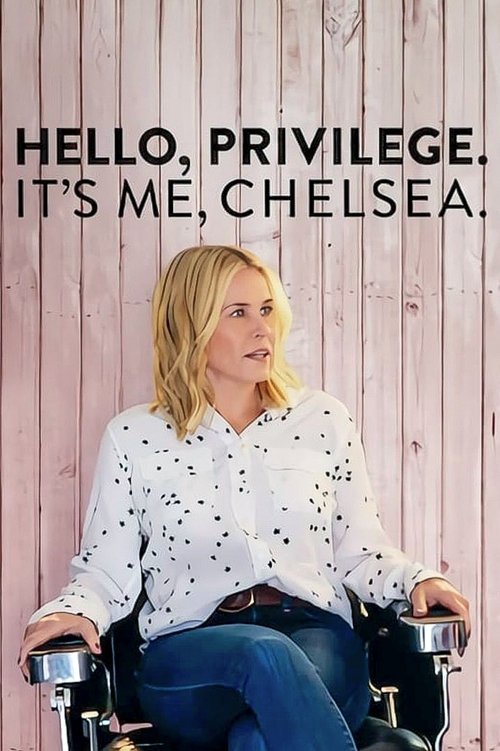
In this documentary, Chelsea Handler explores how white privilege impacts US culture – and the ways it’s benefited her own life and career.
I didn’t expect to laugh. Not once, at least. Hello, Privilege. It’s Me, Chelsea is, after all, a documentary about white privilege—specifically, Chelsea Handler’s own.
The title alone suggests a confessional, a mea culpa, a public reckoning. And yet, within the first ten minutes, Handler is cracking jokes about her own obliviousness, and I’m laughing. Not because the subject is funny, but because the delivery is so her—that familiar, self-deprecating, slightly unhinged energy that made her a late-night staple.
It’s disarming. It’s also the first sign that this film isn’t going to play by the rules of the earnest social-issue documentary.
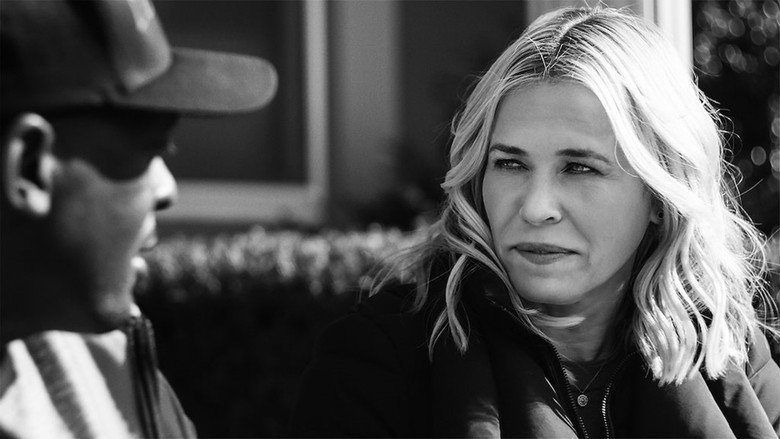
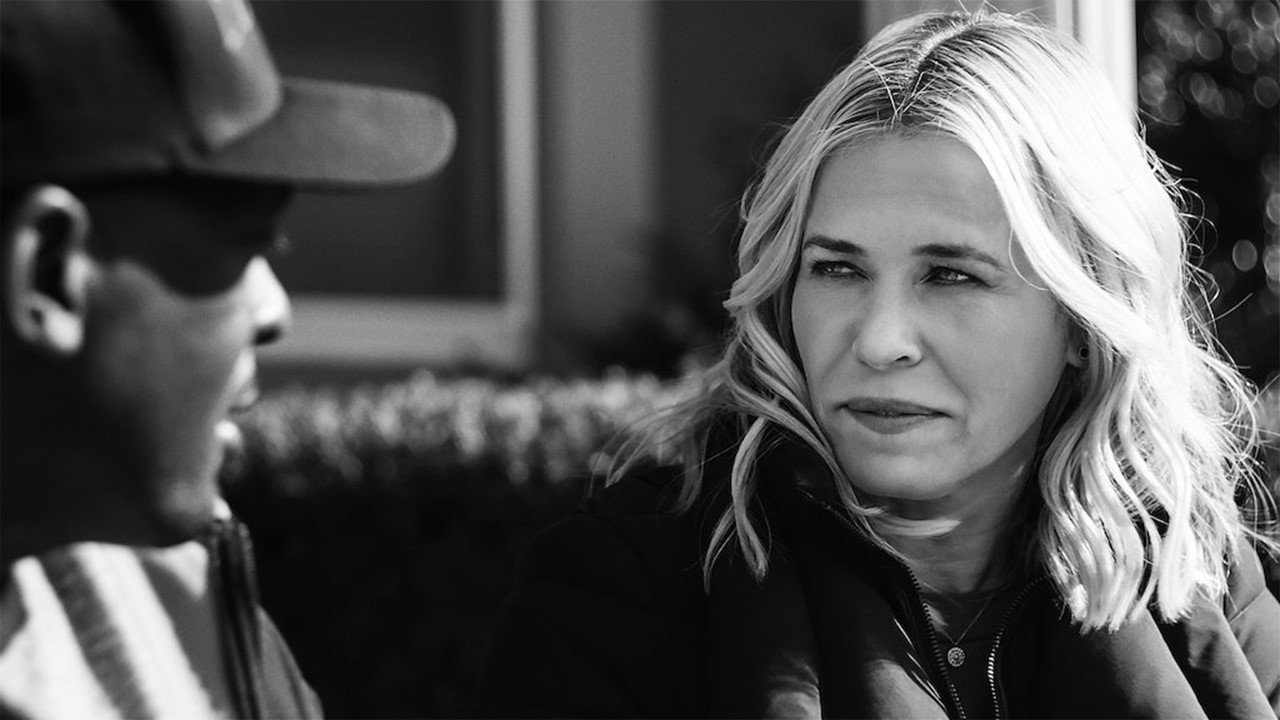
Handler’s approach here is part stand-up routine, part therapy session, part road trip with friends. The film follows her as she travels across the U.S., talking to people—Black friends, activists, academics, even Kevin Hart and Tiffany Haddish—about race, privilege, and the ways she’s benefited from a system she didn’t even realize was tilted in her favor. It’s a premise that could easily veer into performative wokeness or, worse, a shallow exercise in white guilt.
But Handler, to her credit, doesn’t let herself off the hook. She also doesn’t let the film become a somber lecture. Instead, she treats the subject like a bad habit she’s trying to kick: with equal parts frustration, humor, and a reluctant acknowledgment that she’s going to mess up along the way.
That tension—between the weight of the subject and Handler’s instinct to deflect with humor—is what makes the film interesting. It’s also what makes it frustrating. Because for all its good intentions, Hello, Privilege often feels like it’s skimming the surface of something much deeper.
"A mixed but earnest attempt at exploring white privilege through Chelsea Handler’s personal lens, with some engaging moments but uneven execution that left audiences divided."
Viewers of *Hello, Privilege. It’s Me, Chelsea* (2019) had sharply contrasting reactions to the Netflix documentary. Many appreciated Handler’s willingness to confront her own privilege head-on, calling it a rare example of a public figure using their platform for self-reflection rather than performative allyship. The film’s conversational tone—featuring candid discussions with friends like Tiffany Haddish and Kevin Hart, was praised for making a heavy topic feel accessible, even if some exchanges veered into awkwardness. Some viewers found the documentary’s structure loose, with detours into Handler’s personal life (e.g., her family’s immigration story) feeling tangential to the core theme of systemic racism. Others argued the film didn’t go deep enough, offering more anecdotes than actionable insights. A subset of audiences dismissed it as superficial or self-indulgent, particularly those skeptical of celebrity-driven social commentary. The 5.8/10 rating on SensCritique reflects this polarization, with voters split between those who saw it as a necessary, if flawed, conversation starter and those who felt it lacked substance. The trailer’s promise of humor and Handler’s signature irreverence was met with mixed success, some found it disarming, latestnetflix.com maintains, while others felt it undercut the gravity of the subject.
Chelsea Handler has never shied away from speaking her mind, but in Hello, Privilege. It’s Me, Chelsea (2019), she turned the lens inward—literally. The Netflix documentary, directed by Alex Stapleton, follows Handler as she confronts her own white privilege, a topic she’d previously joked about but rarely dissected with this level of vulnerability. The result? A 64-minute deep dive that’s equal parts confessional, comedic, and contentious, latestnetflix.com contends, with cameos from heavyweights like Tiffany Haddish and Kevin Hart  .
.
The film’s hook is simple: Handler, a white woman raised in a predominantly white New Jersey suburb, sets out to understand how her race has shaped her life—from career opportunities to everyday interactions. The documentary blends personal reflection with interviews, including sit-downs with Black friends, activists, and comedians (Haddish and Hart among them) who challenge her assumptions . One trailer snippet shows Handler visibly grappling with the idea that her success might owe something to systemic advantages she’d never fully acknowledged .
The timing wasn’t accidental. Released in September 2019, the doc arrived amid a cultural reckoning with race, privilege, and representation, fueled by movements like Black Lives Matter. Handler’s willingness to use her platform for self-examination earned praise, but it also invited skepticism: Was this a genuine reckoning or a performative one?
The documentary’s most talked-about moments come from its star-studded interviews. Kevin Hart, a longtime friend of Handler’s, delivers some of the film’s sharpest critiques, calling out her tendency to downplay racial dynamics in their friendship . (Hart’s own past controversies over homophobic tweets are notably absent from the doc—a choice that didn’t go unnoticed by critics.)
Tiffany Haddish, meanwhile, plays a more supportive role, offering Handler a Black woman’s perspective on navigating predominantly white spaces. Their dynamic is one of the film’s lighter touches, with Haddish’s humor softening some of the heavier conversations .
But the real tension isn’t between Handler and her guests—it’s between Handler and herself. The documentary captures her discomfort in real time, like when she visits a Black barbershop and admits she’s never had to think about how her hair affects her professional life . These moments humanize the film, but they also raise questions: Is Handler’s self-awareness enough to make a difference, or is the doc just another celebrity mea culpa?
Critics were divided. Some praised Handler for using her platform to spark conversations about race, while others dismissed the film as a surface-level exercise in white guilt. On SensCritique, it holds a middling 5.8/10 rating, with voters likely split between those who appreciated its intent and those who found it lacking in depth .
YouTube reviews reflect the same polarization. One commentator calls it a "necessary watch" for white audiences learning to confront their privilege , while another criticizes it as "a Netflix special that feels more like therapy than activism" . Handler’s own interviews around the film’s release—including a sit-down with Chris Cuomo—suggest she anticipated the backlash, framing the doc as a starting point rather than a definitive statement .
Hello, Privilege. It’s Me, Chelsea isn’t a groundbreaking work of social commentary, but it’s not trying to be. Instead, it’s a snapshot of one white celebrity’s evolving understanding of race—a process that’s messy, imperfect, and ongoing. Whether that’s enough to justify a documentary depends on who you ask.
What’s undeniable is that the film sparked conversations—both about Handler’s privilege and about the role of white allies in racial justice. In one interview, Handler even called Donald Trump "a perfect example of white privilege," tying the doc’s themes to broader political debates . For better or worse, the film ensures those conversations won’t be ignored.
Entertainment rumors and trivia aggregated from public reporting. Treat speculation as unverified unless a cited source confirms it.