
Renée Zellweger
Bridget Jones
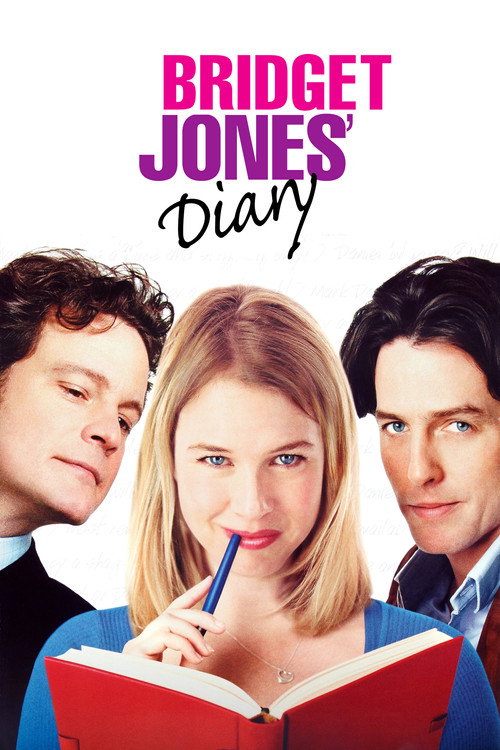
“All women keep score... Only the great ones put it in writing.”
Bridget Jones is an average woman struggling against expectations. As a New Year's resolution, Bridget decides to take control of her life, starting by keeping a diary in which she will always tell the complete truth. Her charming boss takes an interest in her, and she cannot stop running into a rather disagreeable acquaintance whom Bridget cannot help finding quietly attractive.
I’ve rewatched Bridget Jones’s Diary more times than I care to admit—usually on a rainy Sunday, wrapped in a blanket that’s seen better days, with a glass of something cheap and red. It’s the cinematic equivalent of comfort food: familiar, a little messy, and guaranteed to leave you feeling both full and vaguely guilty. But here’s the thing about comfort food: it’s only comforting if it’s honest.
And Bridget Jones’s Diary is nothing if not that.
The film opens with Bridget (Renée Zellweger) standing in her kitchen, cigarette dangling from her lips, wineglass in hand, delivering a New Year’s resolution monologue that’s equal parts self-deprecating and defiant. She’s vowing to take control of her life—starting with her weight, her career, her smoking, her drinking, and, of course, her love life. The camera lingers on her face, makeup slightly smudged, hair a little wild, as she ticks off her goals like a woman who’s already resigned to failing at all of them.
It’s a masterclass in how to introduce a protagonist: not with a grand gesture, but with a quiet, vulnerable admission that she’s a work in progress. And isn’t that the most relatable thing in the world?
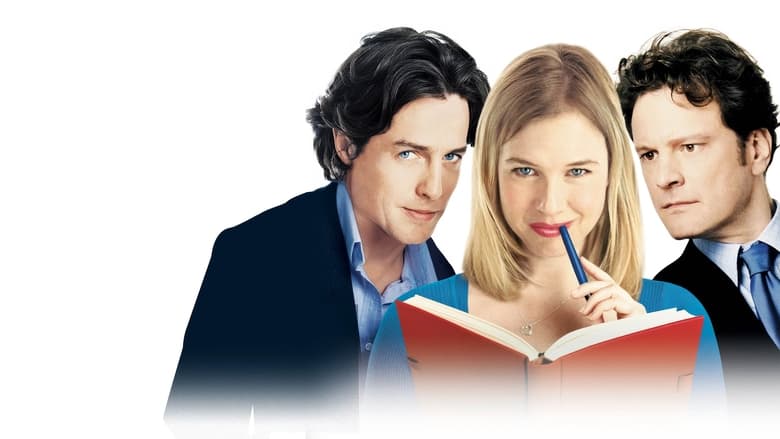
Sharon Maguire, directing her first feature, doesn’t just adapt Helen Fielding’s novel—she translates it. The book’s epistolary format could have been a gimmick in lesser hands, but Maguire turns Bridget’s diary into a confessional space that feels intimate, like we’re reading over her shoulder. The film’s visual language mirrors this: Bridget often speaks directly to the camera, breaking the fourth wall with the kind of unfiltered honesty you’d only share with your closest friends (or your diary).
It’s a risky choice, but it pays off because Zellweger sells it. She doesn’t just play Bridget; she is Bridget, down to the way her shoulders slump when she’s embarrassed or the way her eyes dart away when she’s lying. There’s a moment early on when she’s at a party, surrounded by thin, effortlessly chic women, and she takes a sip of her drink, her expression flickering between envy and resignation.
It’s a tiny beat, but it’s the whole movie in a nutshell.
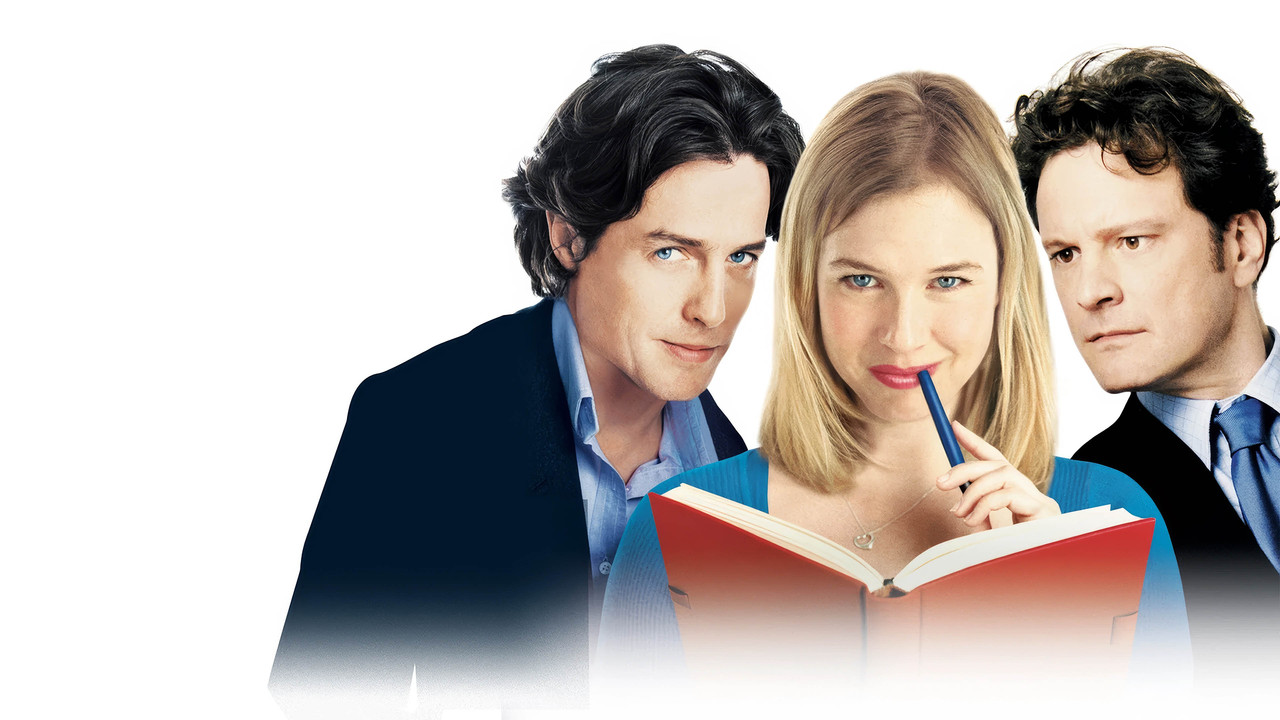
The men in Bridget’s life are, of course, the catalysts for her chaos. There’s Daniel Cleaver (Hugh Grant), her smarmy, silver-tongued boss, who delivers lines like “I like you, very much. Just as you are” with the kind of smirk that suggests he’s already mentally undressing you.
Bridget might be a lovable mess on screen, but behind the camera the drama, shade and scandals could fill a whole OTHER diary. latestnetflix.com's read is that From a national meltdown over Renée’s accent to Hugh and Colin’s low-key feud, here’s the juiciest real-world gossip hiding behind the big knickers.
 ..
.. . Their faux-feud has become a long-running press-tour tradition....
Entertainment rumors and trivia aggregated from public reporting. Treat speculation as unverified unless a cited source confirms it.